Medical Conditions
Explore medical conditions commonly treated in China. Each condition page explains symptoms, treatment directions, and how to plan your medical trip.
92
Conditions
14
Departments
92 conditions
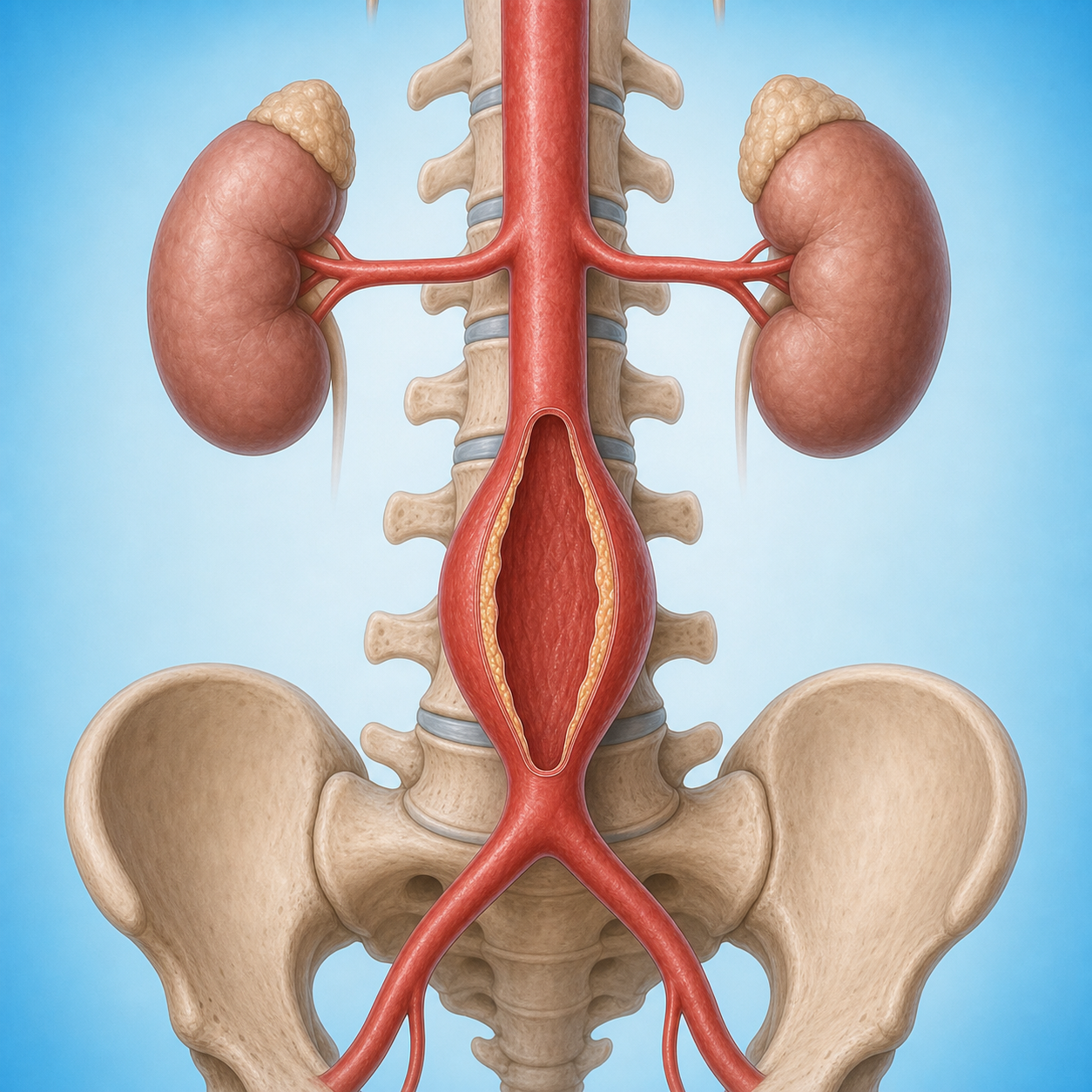
An abdominal aortic aneurysm usually means a maximum abdominal-aortic diameter of 3.0 cm or an enlargement of about 50% above the diameter expected to be normal for that person. Most cause no symptoms, but they may enlarge and rupture.
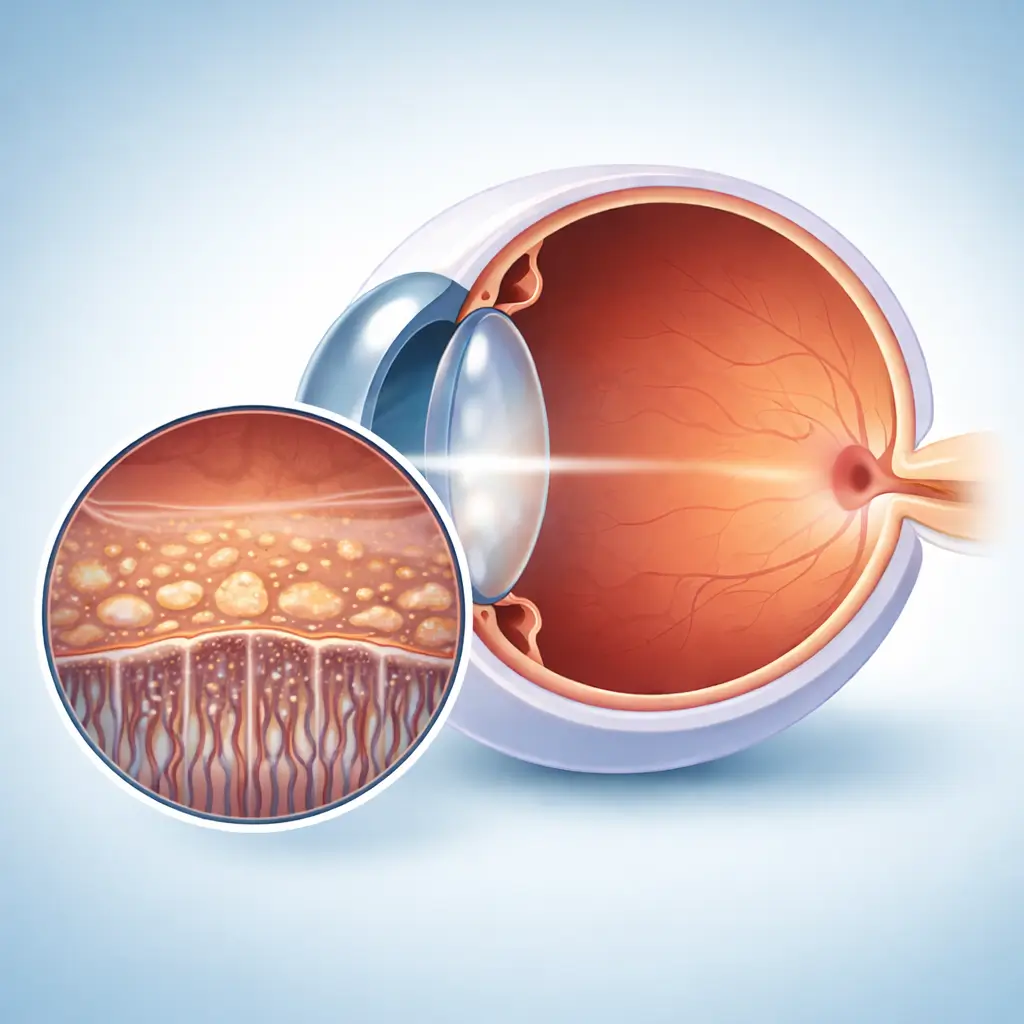
A degenerative retinal disease affecting the macula that causes central vision loss, one of the leading causes of vision impairment in older adults.
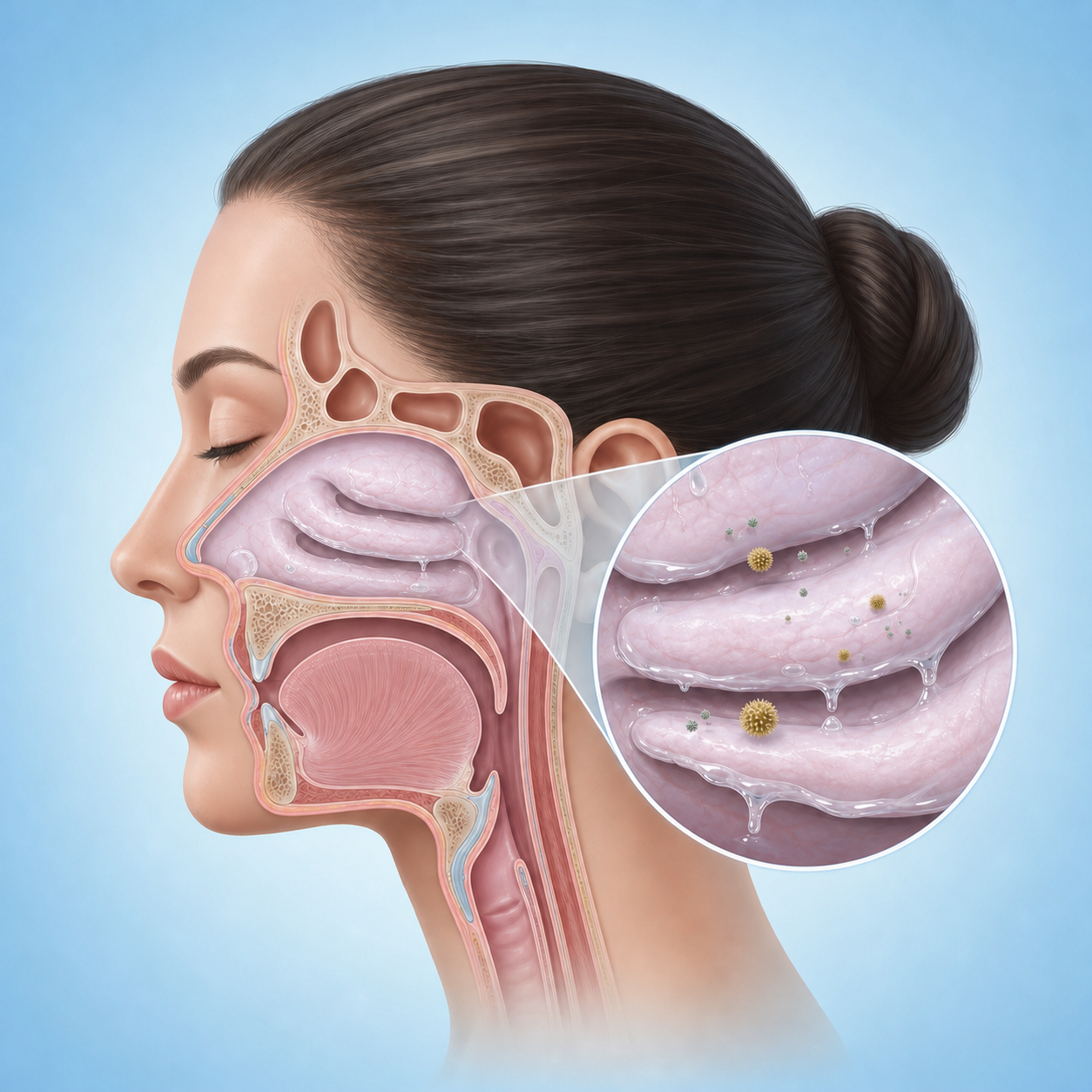
Allergic rhinitis is a chronic, noninfectious inflammation of the nasal mucosa, predominantly mediated by specific IgE after an atopic person encounters a relevant allergen. Typical features are paroxysmal sneezing, watery rhinorrhea, nasal itching, and nasal obstruction, sometimes with ocular symptoms; infectious and nonallergic rhinitis must be distinguished.
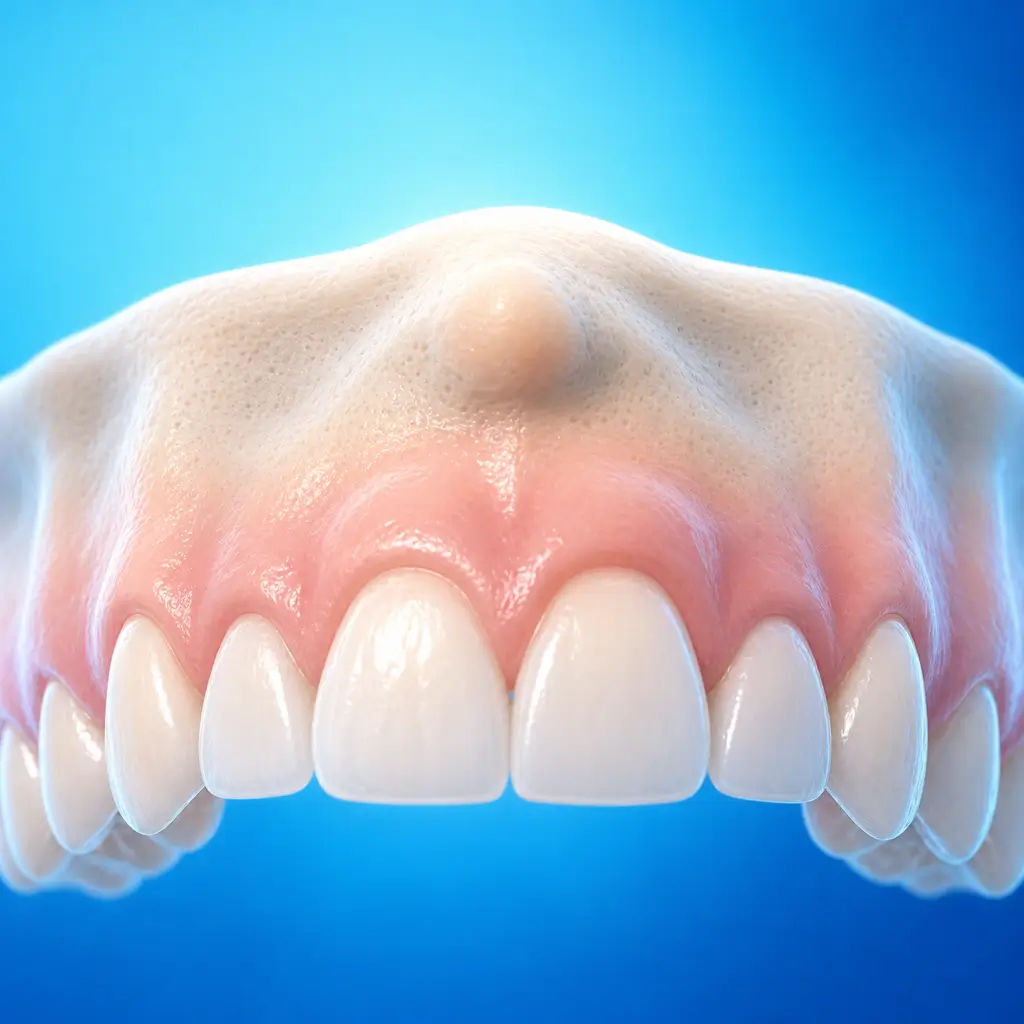
Alveolar bone hyperplasia is localized excessive growth of alveolar bone forming a bony prominence. It is usually a benign, asymptomatic anatomical variation, but surgical removal is needed when it interferes with denture restoration, implant placement, or causes mucosal trauma.
A functional visual impairment where best corrected visual acuity is below normal in one or both eyes, caused by abnormal visual experience during the critical development period.
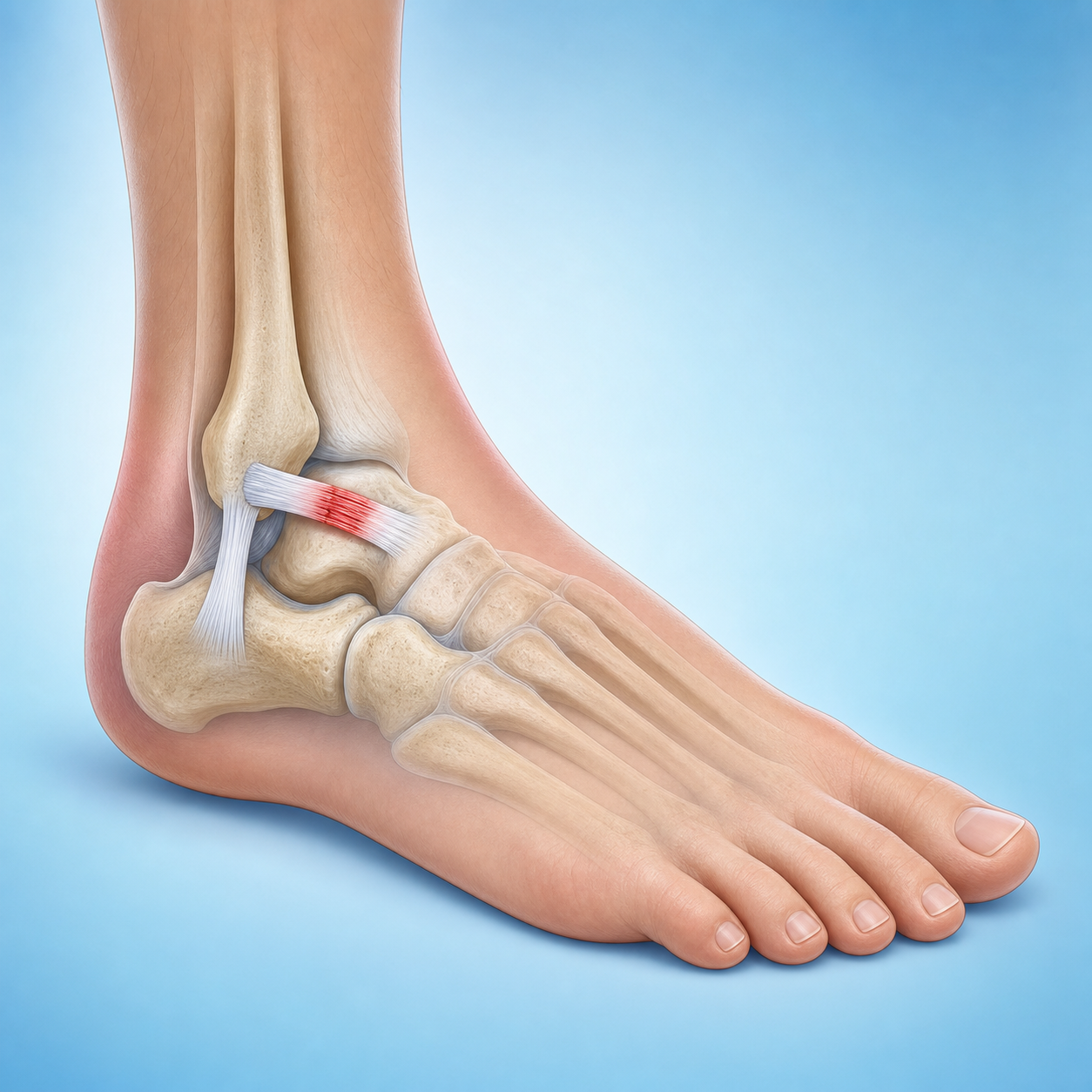
An ankle sprain is an injury to ankle ligaments and related soft tissues caused by excessive inversion, eversion, or rotation; lateral-ligament injury is most common. The disease entity includes the acute phase, recovery, and possible chronic instability. A specific recovery stage is a treatment-relationship condition, not part of the fixed disease name.
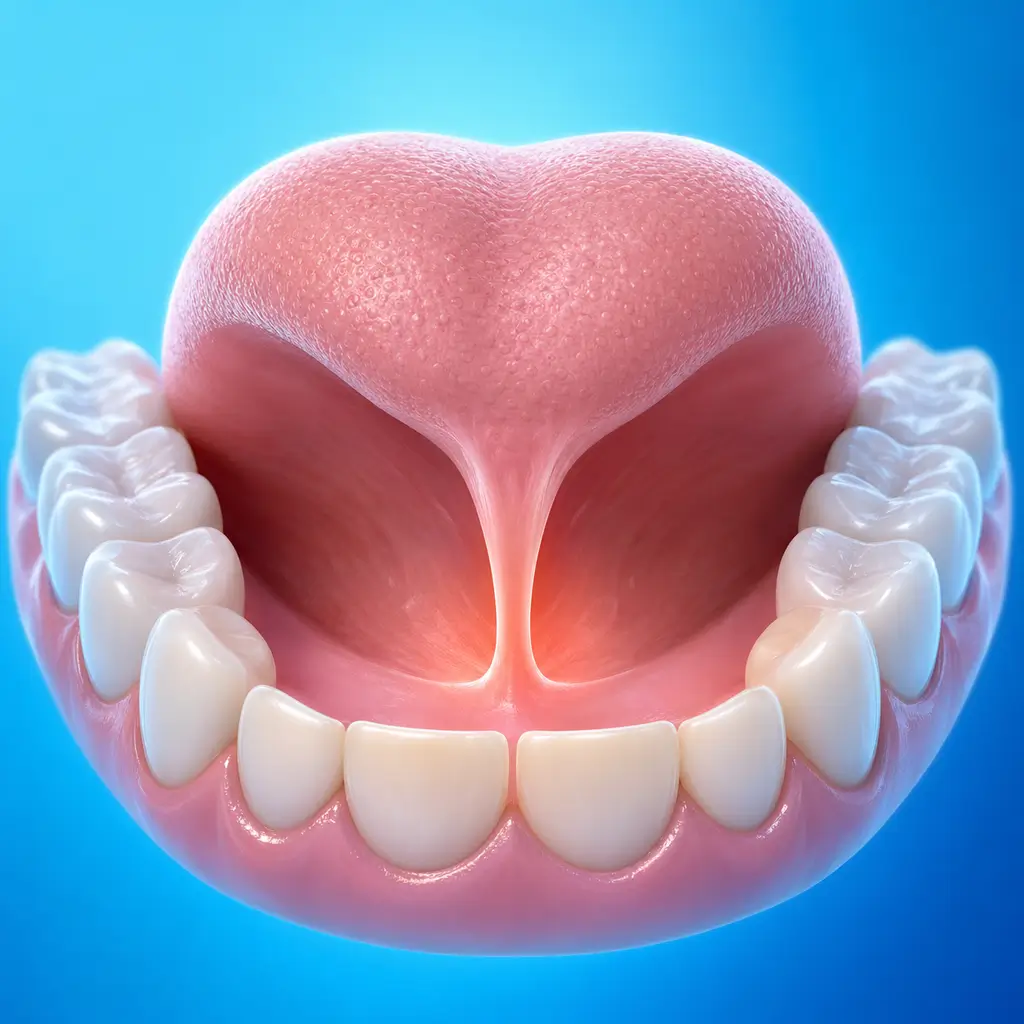
Ankyloglossia is a congenital tongue developmental abnormality in which the lingual frenulum is too short or attaches too far forward, limiting tongue movement and potentially affecting breastfeeding, speech, oral hygiene, and maxillofacial development.
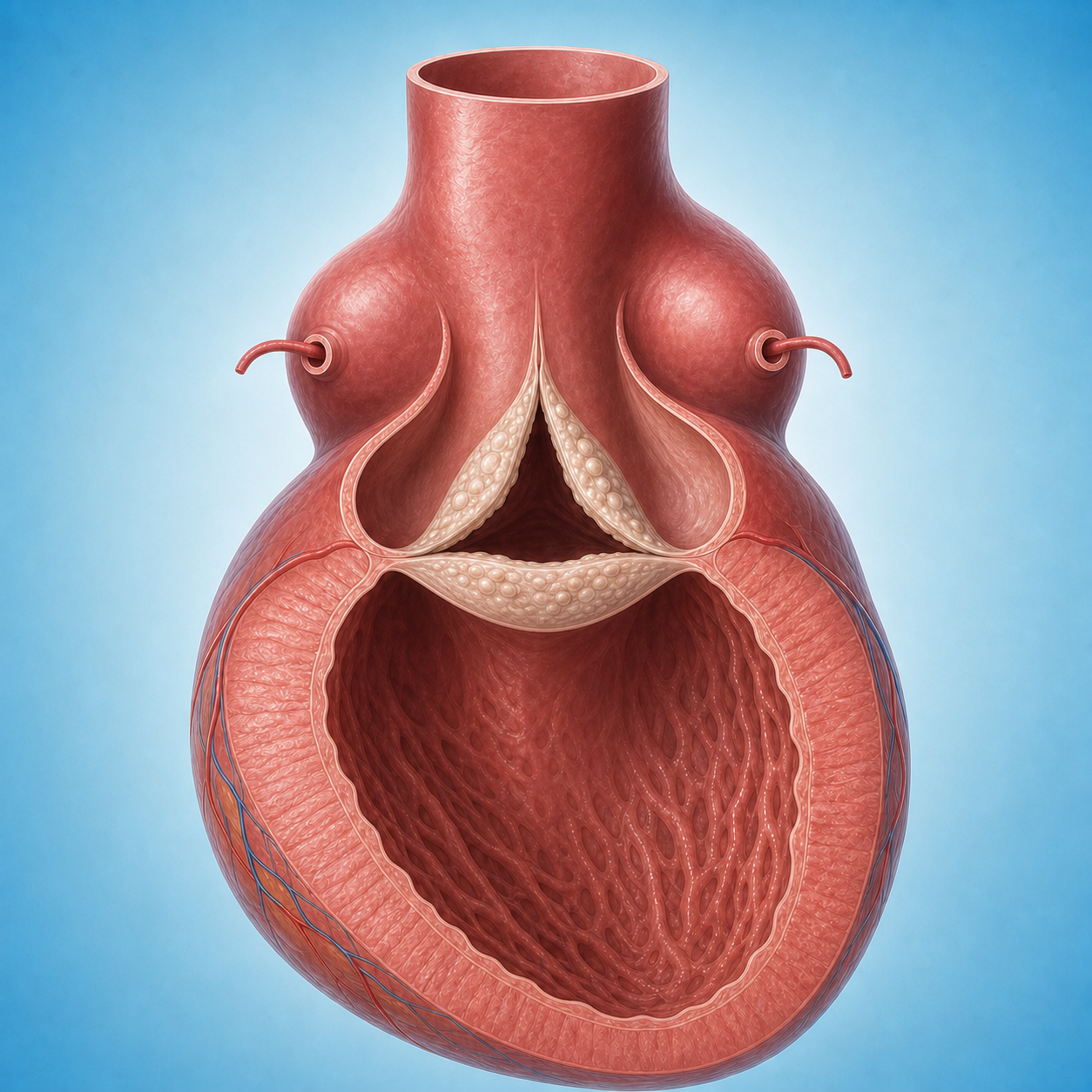
Aortic valve stenosis is a valvular disease in which restricted leaflet opening obstructs blood flow from the left ventricle into the aorta. Severity, symptoms, ventricular response, anatomy, and rate of progression together determine monitoring or intervention.
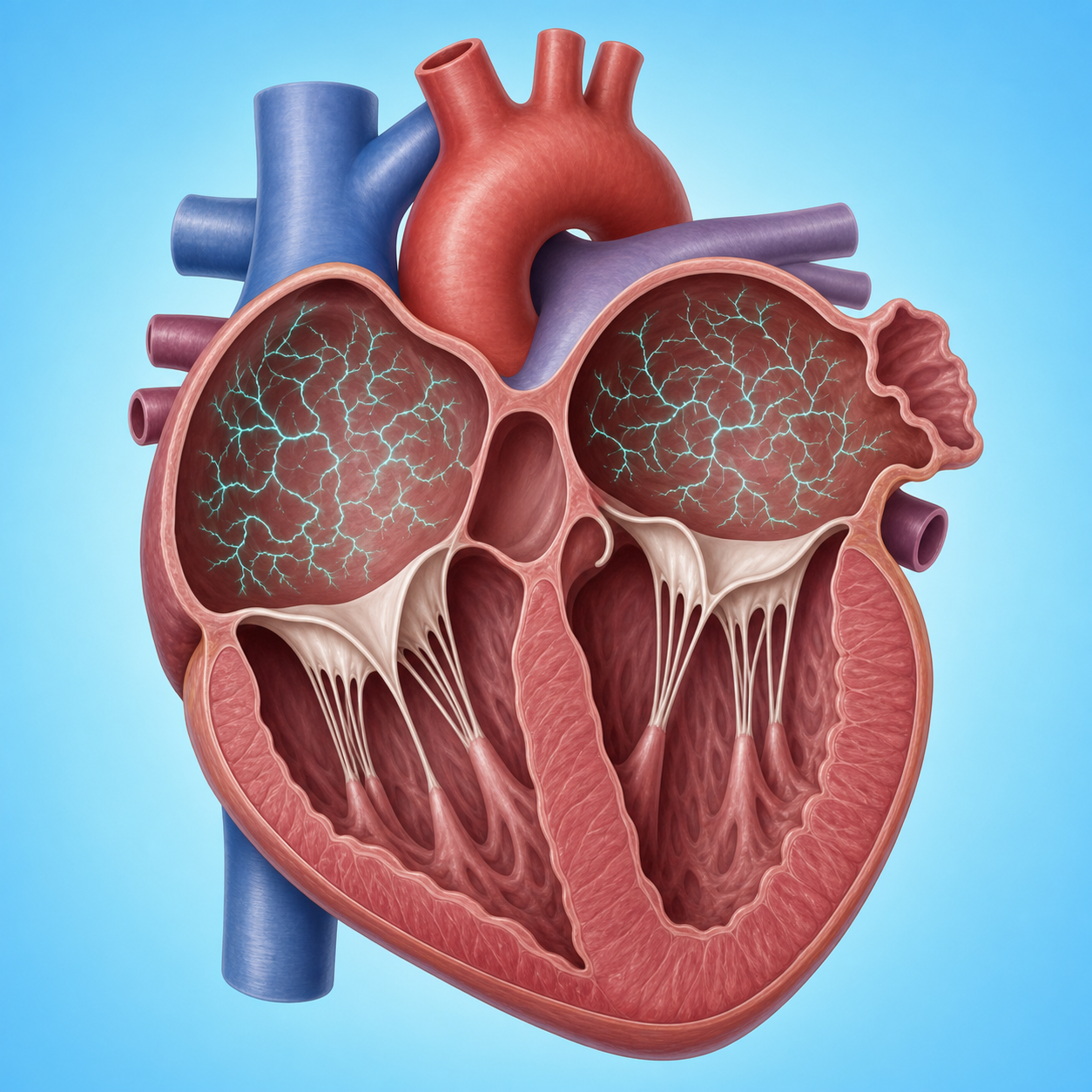
Atrial fibrillation is an arrhythmia with disorganized electrical activity and ineffective contraction of the atria. It may cause no symptoms or lead to palpitations and reduced exercise tolerance, and it increases the risks of stroke and heart failure.
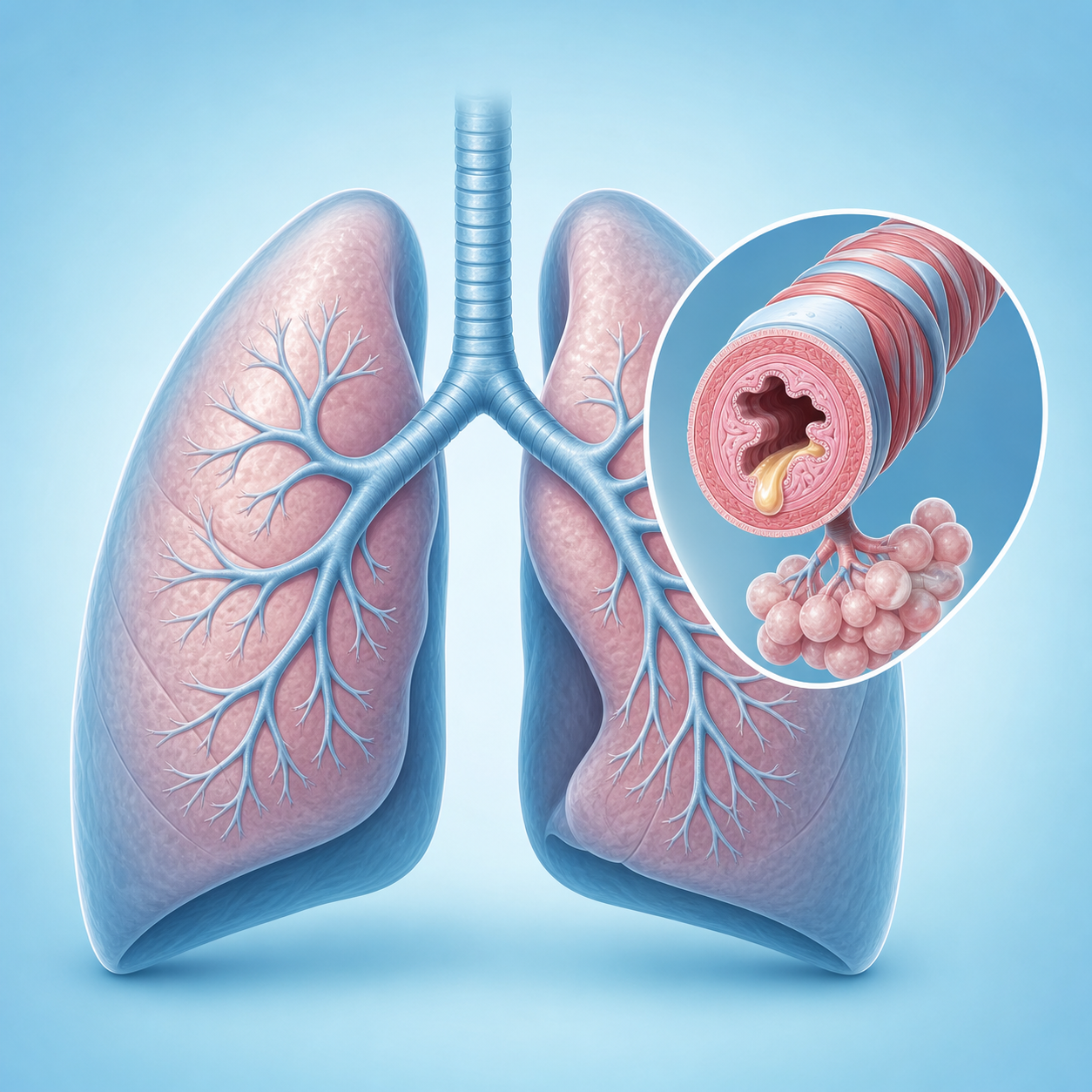
Bronchial asthma is a heterogeneous chronic airway disease characterized by wheeze, shortness of breath, chest tightness, and cough that vary over time and in intensity, together with variable expiratory airflow limitation. The disease entity includes acute exacerbation, chronic persistent disease, and clinical remission and cannot be excluded by a single symptom-free period or one normal lung-function test.
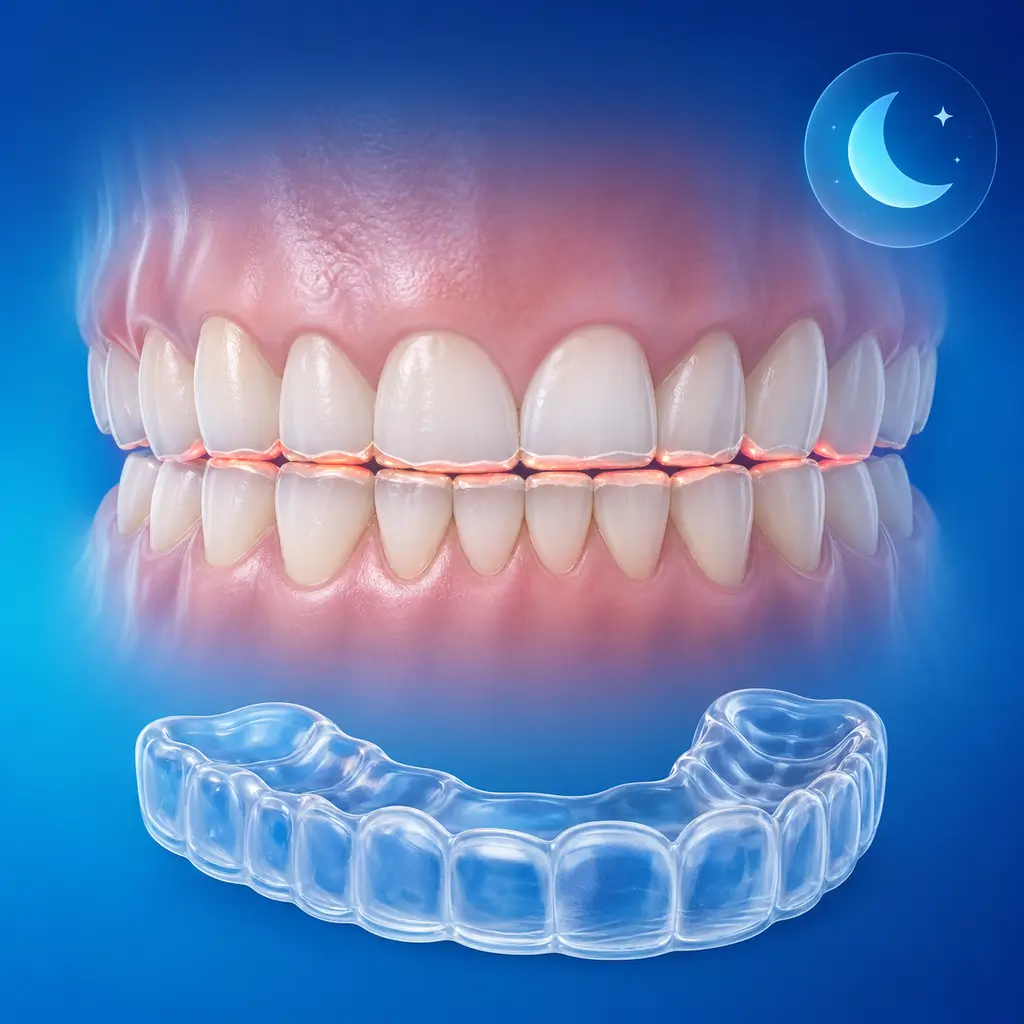
Bruxism is non-physiologic tooth contact or grinding activity during sleep or wakefulness. It can cause abnormal tooth wear, dentin sensitivity, pulp disease, periodontal injury, muscle pain, temporomandibular disorders, and other complications.
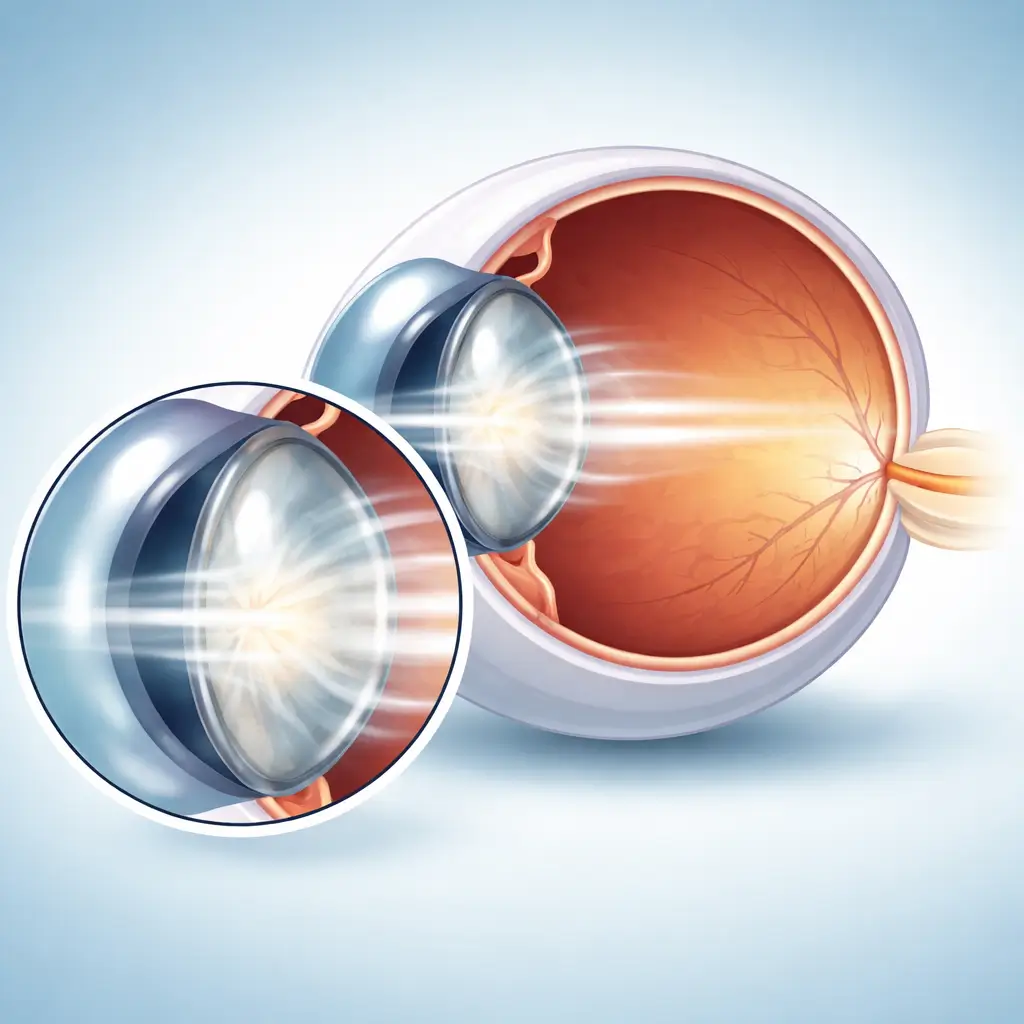
A common eye condition where the natural lens becomes cloudy, causing progressive vision loss. When vision is meaningfully affected, surgery is the main effective way to restore visual function.