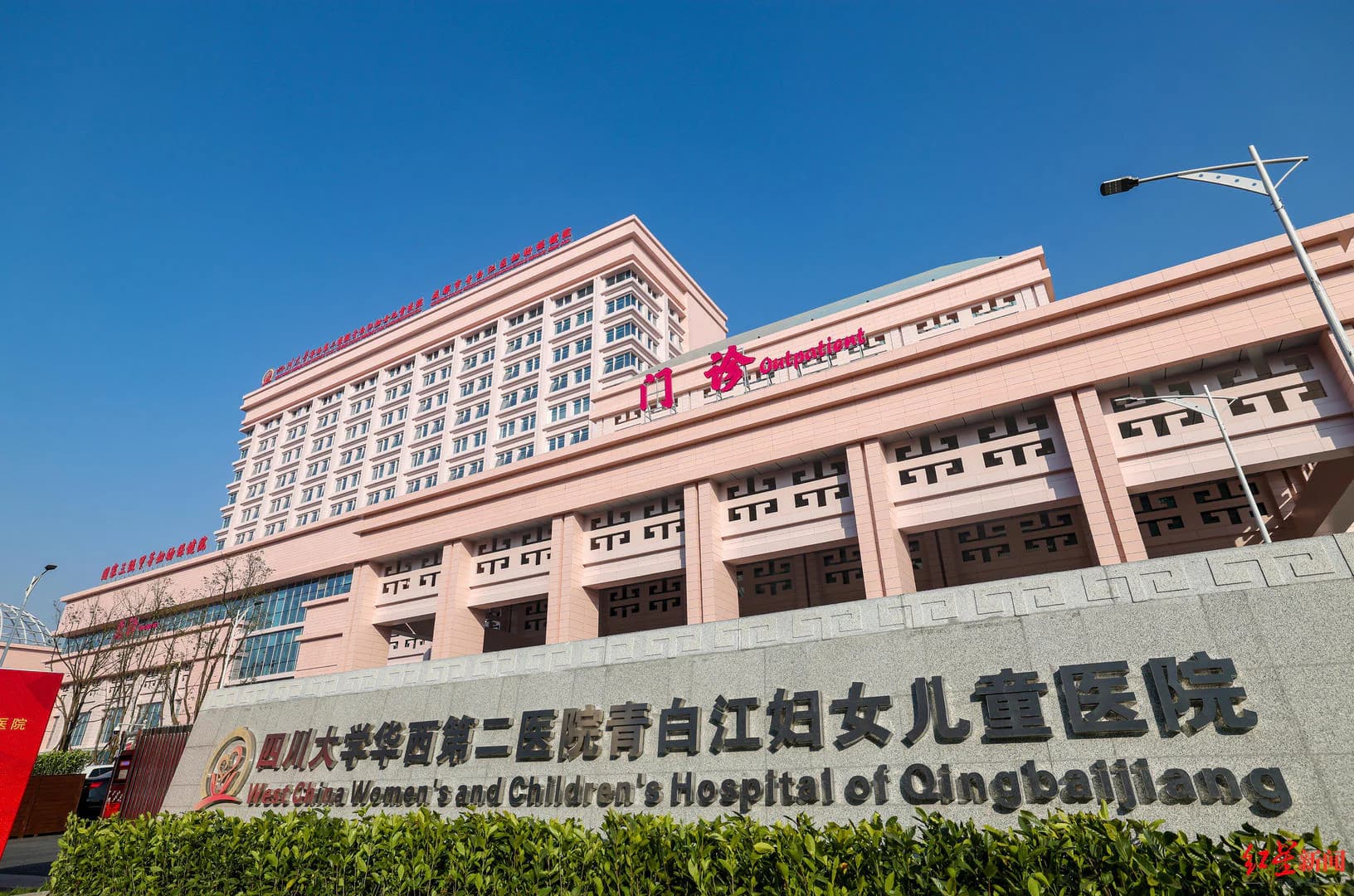
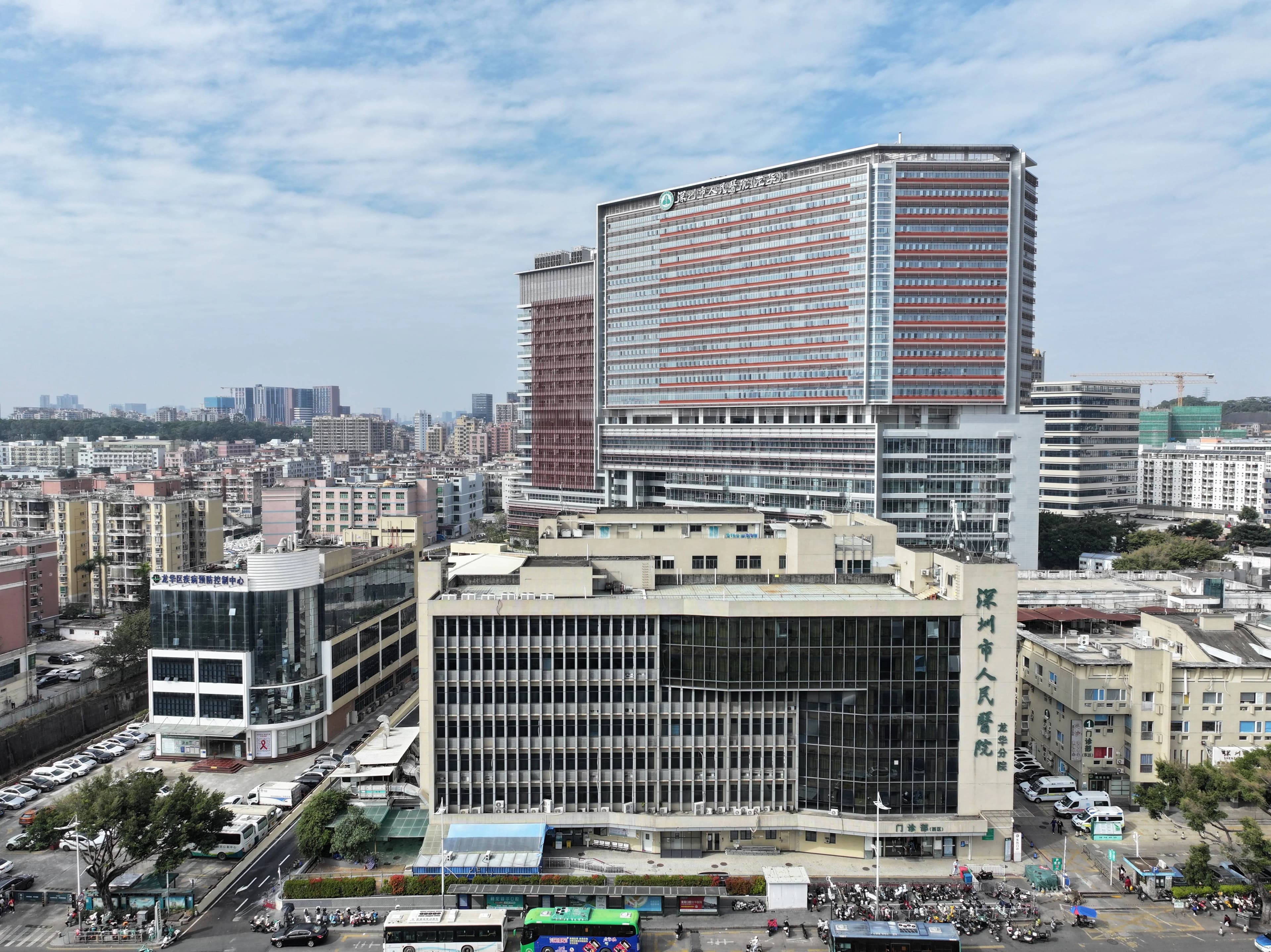
Shenzhen
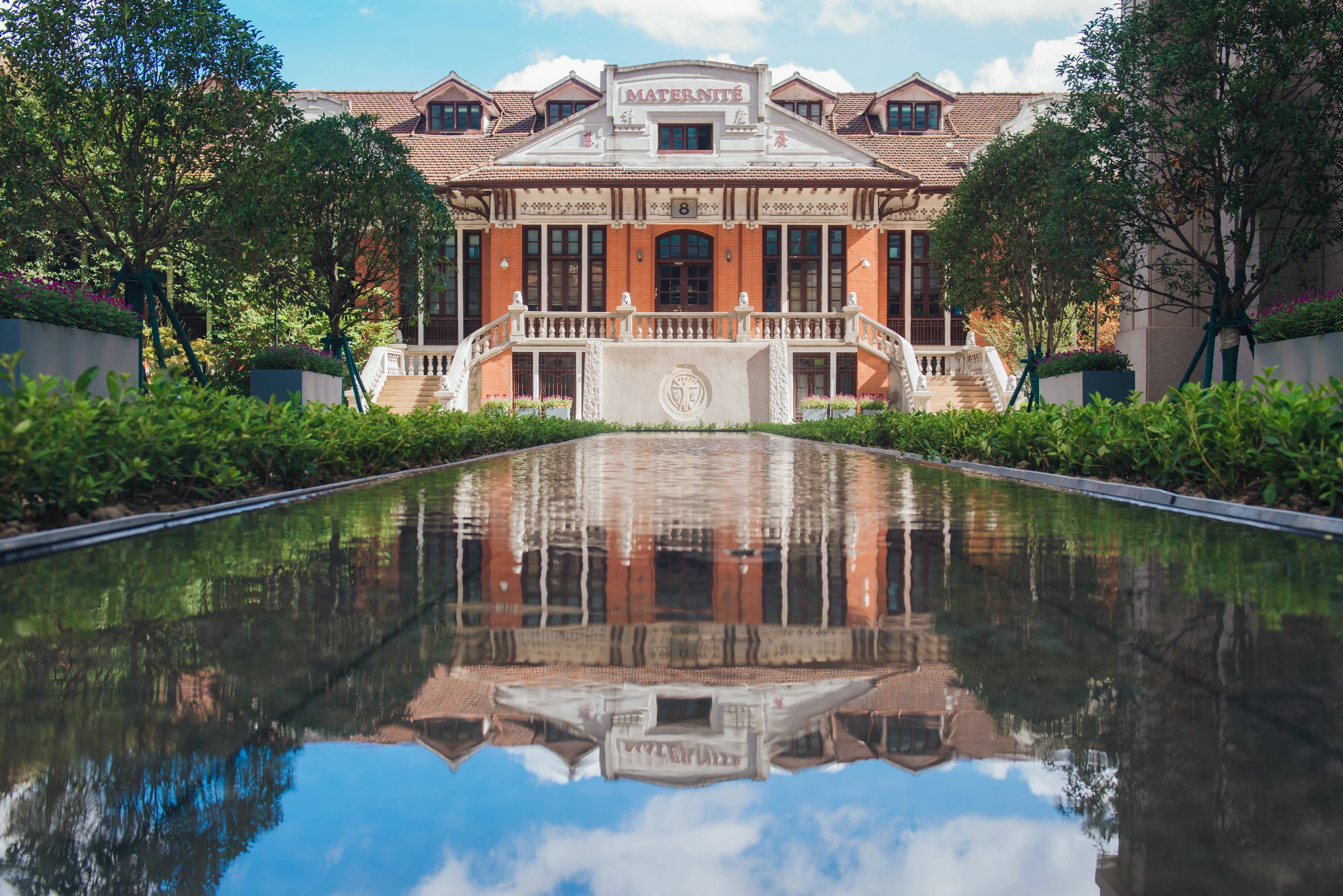
Shanghai
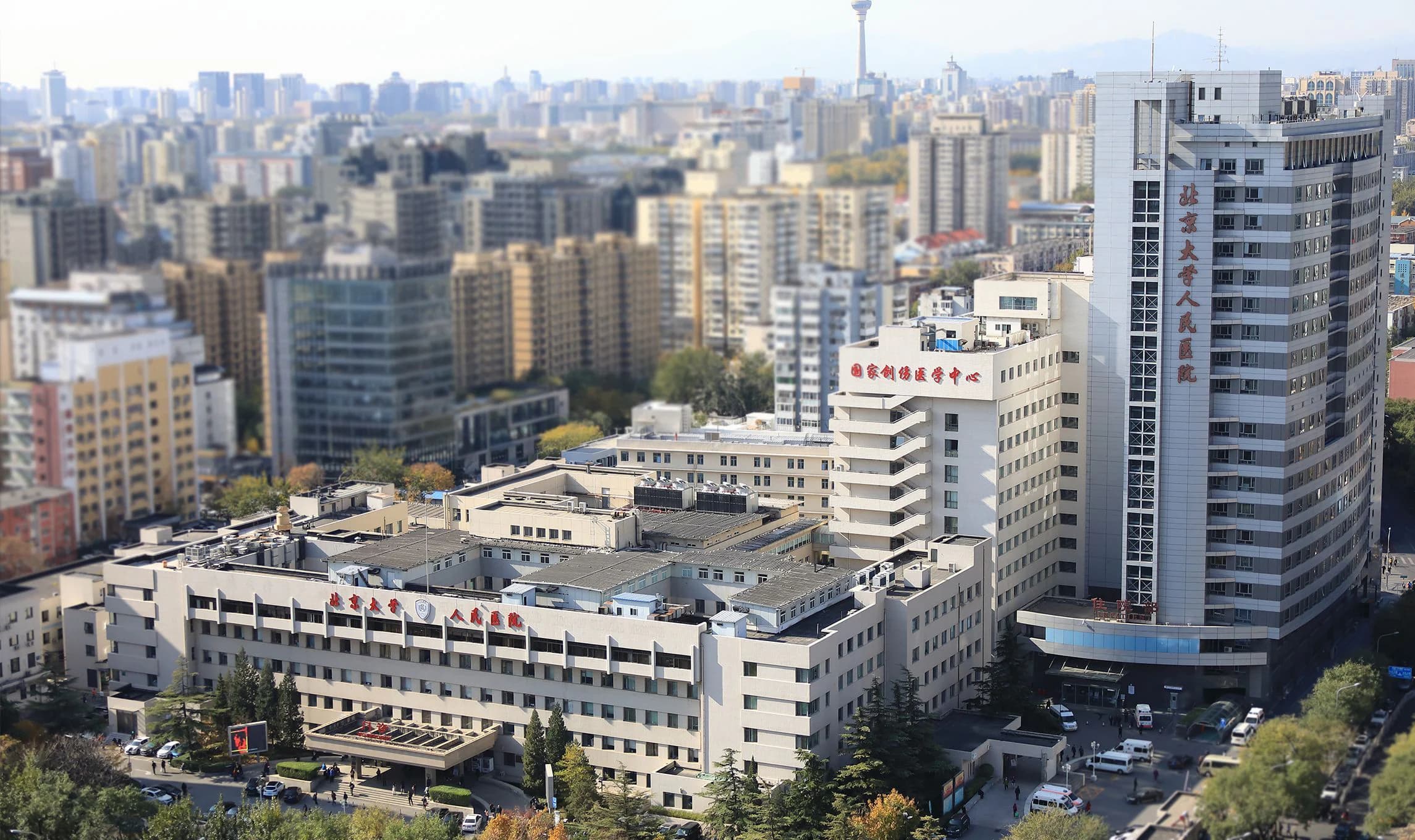
Beijing
Guangzhou

Plan Your Medical Travel to China

Checkups, specialist evaluation, and city-based itinerary support for international patients.

Departure-Return
Shenzhen

Core Services for Your Medical Journey

From trip planning to post-treatment care, we coordinate every detail so you can focus on recovery and peace of mind.

Integrated Medical + Travel Planning

We design a complete journey that combines treatment schedules, recovery pacing, and personalized travel plans into one coordinated itinerary.

Specialist Doctor Appointments

We help secure appointments with leading specialists at top-tier hospitals in China, including case preparation, department matching, and scheduling coordination.

Accommodation and Hospital Stay

We arrange your full stay from start to finish, including hospital ward support when needed, hotel reservations, and check-in assistance.

China Visa Assistance

We provide step-by-step support for both tourist and medical visa applications, from document checklists to submission guidance.

Professional Interpretation or Medical Escort

If needed, we provide professional interpreters and patient companions to support consultations, procedures, and daily communication.

Private Transfer Services

On request, we coordinate airport pick-up/drop-off and transportation for hospital visits and planned sightseeing activities.

Secure Payment Support

We assist with setting up digital payments in China, streamline medical billing, and support insurance claim documentation afterward.

Post-Treatment Follow-up and Ongoing Care

We help build long-term health plans and can arrange remote consultations when needed for continued expert medical guidance.

Service Process

Follow each step to understand how Carevia guides your medical travel journey from planning to execution.

Step 1

Explore Hospitals and Specialties

  • Browse top hospitals and specialty departments in China.
  • Understand the recommended care pathway for your condition.
  • Shortlist suitable hospitals and clinical departments before you decide.
Medical travel service processMedical travel service process

Featured Hospitals

Explore representative partner hospitals before starting your consultation plan.

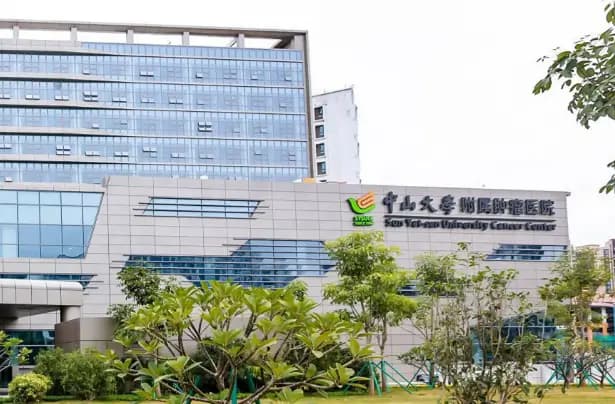
Sun Yat-sen University Cancer Center
Grade III Grade A

Sun Yat-sen University Cancer Center

Sun Yat-sen University Cancer Center (Sun Yat-sen University Cancer Hospital, Sun Yat-sen University Cancer Institute), established in March 1964, is one of the four earliest cancer hospitals established in New China. It is one of the largest and most academically robust oncology bases in China, integrating medical treatment, teaching, research, and prevention. It undertakes the important task of national cancer prevention and control, playing a leading role in cancer prevention and control work nationwide, especially in South China and Hong Kong, Macao, and Taiwan. Its academic standing and overall strength are among the best in the country.

Sun Yat-sen University Cancer Center
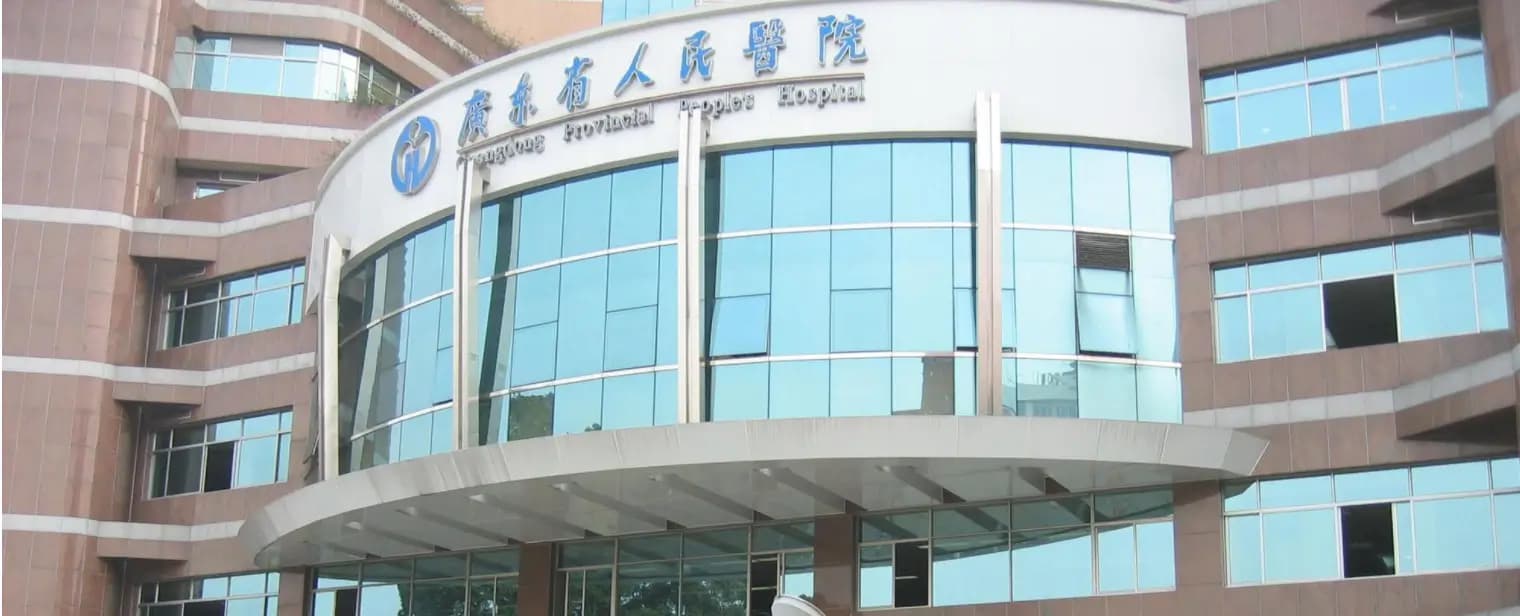
Guangdong Provincial People's Hospital
Grade III Grade A

Guangdong Provincial People's Hospital

Founded in 1946 as Guangzhou Central Hospital, Guangdong Provincial People's Hospital is a Grade III Class A comprehensive hospital integrating medical treatment, education, and research, enjoying a high reputation both domestically and internationally. It consistently ranks among the top hospitals in the national performance evaluation of Grade III public hospitals, achieving an A++ rating in 2023, placing it in the top 1%. The hospital boasts numerous renowned experts and has achieved many national firsts, such as heart transplantation and AI+5G surgery. It has 17 national key clinical specialties, ranking 3rd nationally in cardiovascular surgery according to the Fudan University ranking. It was selected as one of the first batch of high-level hospitals and a national cardiovascular regional medical center. Its smart hospital is a national leader, winning the Golden Tripod Award. Its scientific research has won numerous awards, including the second prize of the National Science and Technology Progress Award, and it ranks 13th nationally in National Natural Science Foundation of China grants. It has attracted 162 high-level talents and trained 1280 postgraduate students. It has demonstrated outstanding performance in counterpart support, foreign aid, and the fight against the pandemic, adhering to the principle of Party building leading high-quality development.

Guangdong Provincial People's Hospital
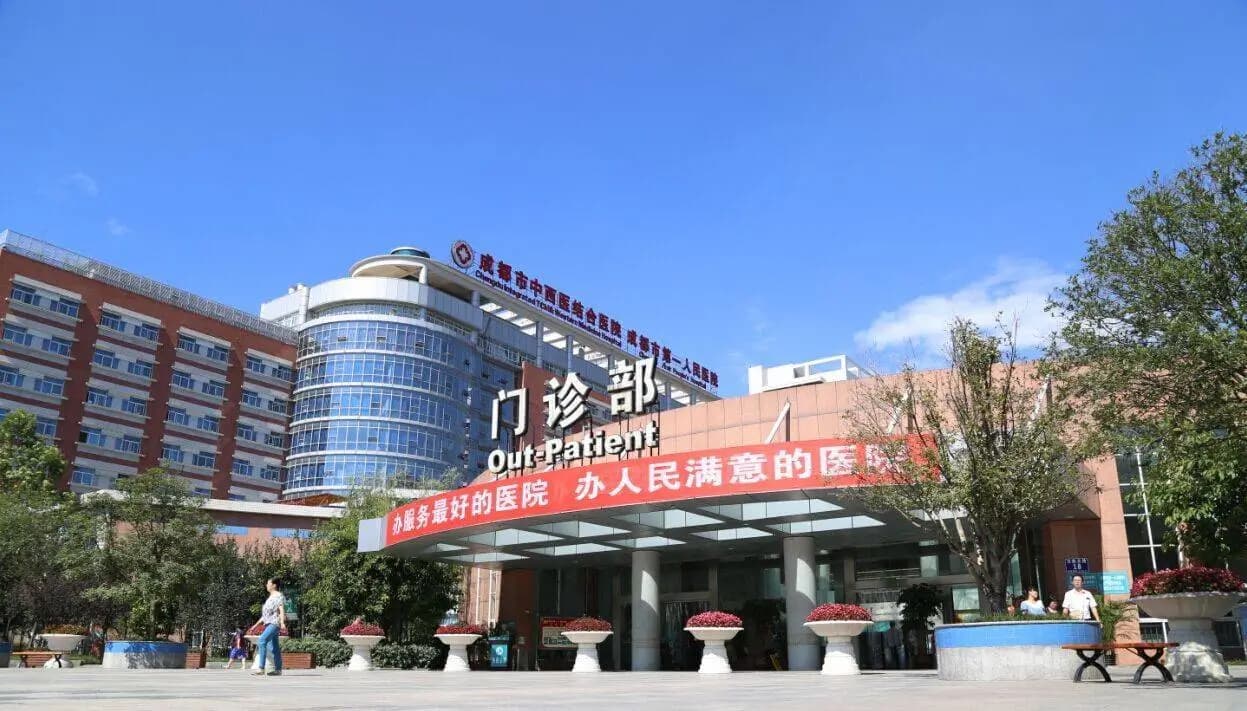
Chengdu Integrated Traditional Chinese and Western Medicine Hospital
Grade III Grade A

Chengdu Integrated Traditional Chinese and Western Medicine Hospital

Chengdu Integrated Traditional Chinese and Western Medicine Hospital (Chengdu First People's Hospital, Chengdu Traditional Chinese Medicine Hospital), established in 1926, is a tertiary-level Class A comprehensive hospital integrating medical treatment, teaching, and scientific research. It is Chengdu's first municipal-level public hospital, one of the first batch of national key integrated traditional Chinese and Western medicine hospitals, and one of the first batch of flagship integrated traditional Chinese and Western medicine hospitals in Sichuan Province. The hospital has adopted a "321" intensive management model, operating two campuses: one on Wanxiang North Road in the High-tech Zone and the other on Hongxing Road in Qingyang District, with a total of 2,400 beds. It currently has 2,869 employees, including 524 senior professionals and 765 doctoral and master's degree holders. The hospital boasts 5 national-level talents, including experts enjoying State Council special allowances, and 56 provincial and municipal-level renowned traditional Chinese medicine practitioners. Its disciplinary clusters are prominent, including 8 national-level advantageous traditional Chinese medicine specialties, 3 national-level flagship departments for integrated traditional Chinese and Western medicine, and 67 provincial and municipal-level key specialties. It has jointly established the world's fifth medical simulation center with Harvard Medical School and the Integrated Traditional Chinese and Western Medicine Research Institute with Chengdu University of Traditional Chinese Medicine, promoting high-level disciplinary development.

Chengdu Integrated Traditional Chinese and Western Medicine Hospital
Shenzhen Second People's Hospital
Grade III Grade A

Shenzhen Second People's Hospital

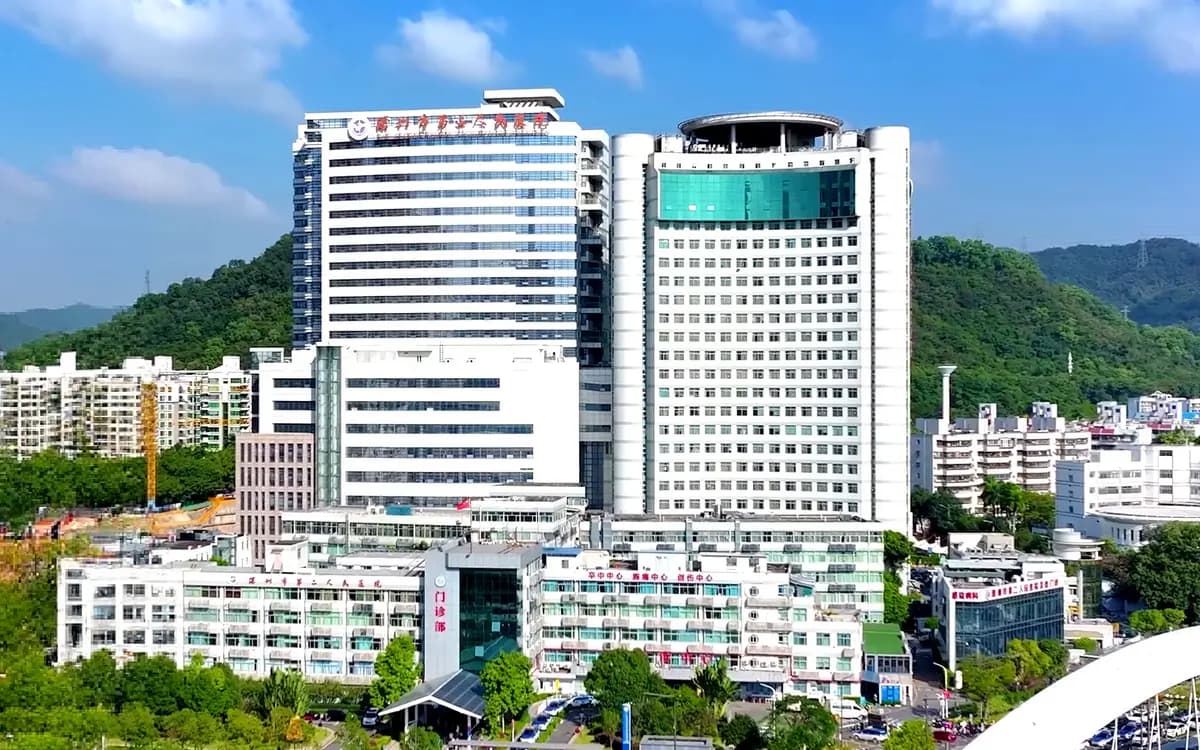
Shenzhen Second People's Hospital (the First Affiliated Hospital of Shenzhen University) was founded in 1980 and became a national "Grade A Tertiary" hospital in 1996, one of the first two "Grade A Tertiary" hospitals in Shenzhen. In 2008, it was approved by the Ministry of Education to become the "First Affiliated Hospital of Shenzhen University." The hospital has successively won honorary titles such as "National Advanced Health Unit," "National May 1st Labor Medal," "Advanced Collective of the Shenzhen World University Games," and "Demonstration Hospital for Improving Medical Services."

Shenzhen Second People's Hospital
Tsinghua University Beijing Tsinghua Chang Gung Hospital
Grade III Grade A

Tsinghua University Beijing Tsinghua Chang Gung Hospital

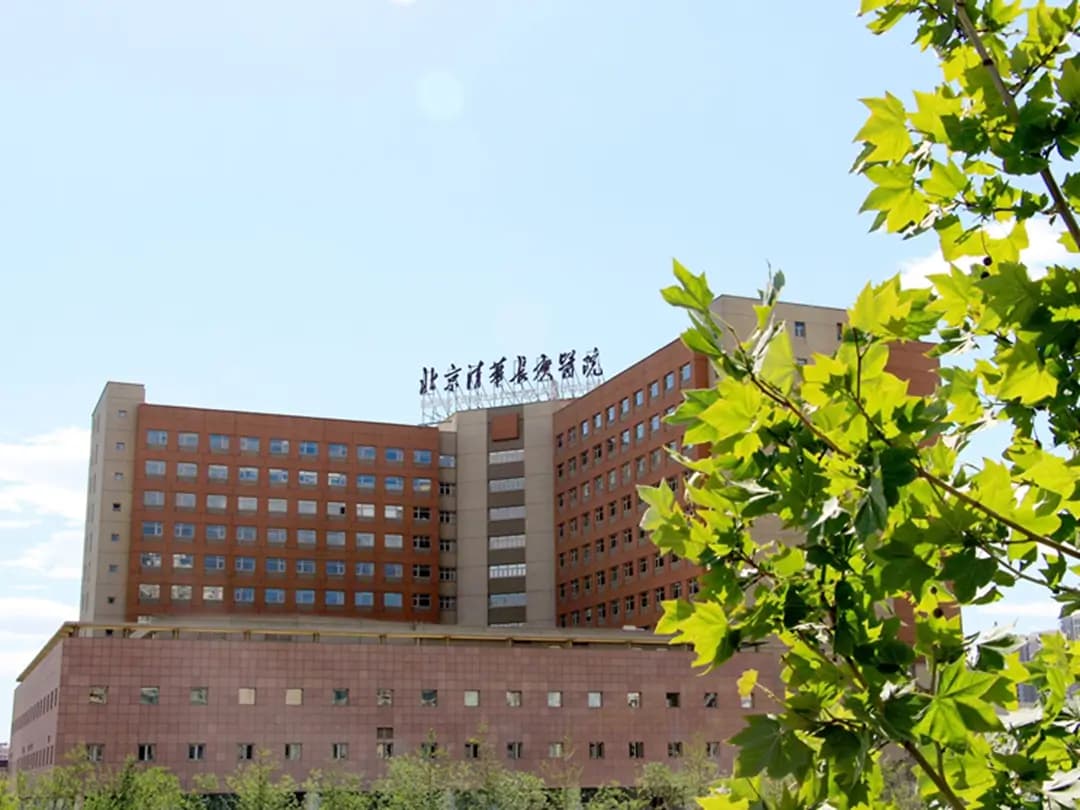
Tsinghua University Affiliated Beijing Tsinghua Changgung Hospital is a large-scale comprehensive public hospital jointly built and managed by Tsinghua University and the Beijing Municipal Government. Located in Tiantongyuan, Changping District, Beijing, it has a total of 1,500 beds and opened on November 28, 2014. The hospital practices the concept of "three-precision medical care," constructs a full-life-cycle digital intelligent service system, adheres to its public welfare nature, and implements a president responsibility system under the leadership of the Party Committee. It has established excellent clinical centers in hepatobiliary and pancreatic diseases, organ transplantation, and cardiovascular diseases, and has implemented over 100 leading technologies, achieving an A+ rating in the national performance evaluation of tertiary public hospitals. It has passed the Level 6 electronic medical record assessment and the Level 3 national smart service assessment. It has constructed a "hospital-community-family" health care system, innovated medical education, and is a national clinical teaching and training demonstration center and other bases. It promotes interdisciplinary innovation in medicine and engineering and has been approved for several key laboratories. Adhering to the values ​​of "human-centeredness, benefiting society, high moral character, and ultimate goodness," and persisting in the "4I" development strategy, the hospital is committed to building a world-class medical center.

Tsinghua University Beijing Tsinghua Chang Gung Hospital
Peking University First Hospital
Grade III Grade A

Peking University First Hospital

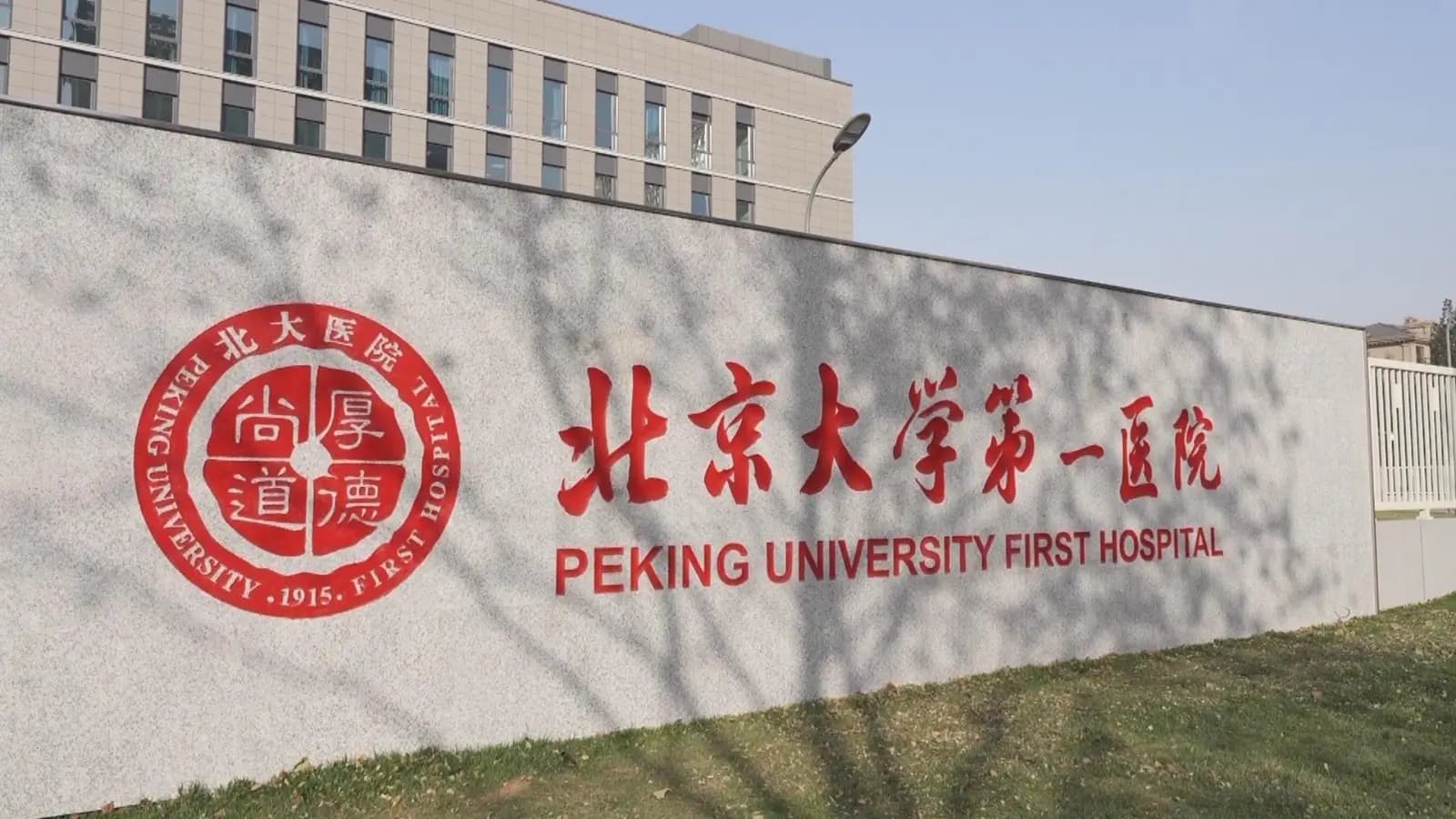
Founded in 1915, Peking University First Hospital, located next to Beihai Park in Beijing, is a tertiary-level Class A general hospital integrating medical treatment, teaching, scientific research, prevention, and public health. It boasts numerous pioneering disciplines and technologies in China, such as the Department of Pediatrics, Department of Urology, and Department of Nephrology, and was among the first to perform kidney transplantation and interventional coronary intervention. With strong academic capabilities, it has been designated a National Key Clinical Specialty 29 times, and its reputation ranked among the top in 2022. It has 39 clinical departments and 2,259 beds, with 3.24 million outpatient and emergency visits in 2023. It operates 53 multidisciplinary team (MDT) treatment teams, and its Daxing campus has 1,200 beds in operation. Emphasis is placed on education, having trained over 3,300 undergraduates and over 4,000 graduate students, and is a national demonstration base for resident physician training. Research projects have been approved, with over 2,300 projects and over 3,000 SCI papers published. Undertake national tasks such as supporting Xinjiang and Tibet, promote the downward flow of resources, carry forward the spirit of "high moral character and ethical conduct", and strive to become a world-class hospital.

Peking University First Hospital
Sichuan Academy of Medical Sciences & Sichuan Provincial People's Hospital
Grade III Grade A

Sichuan Academy of Medical Sciences & Sichuan Provincial People's Hospital

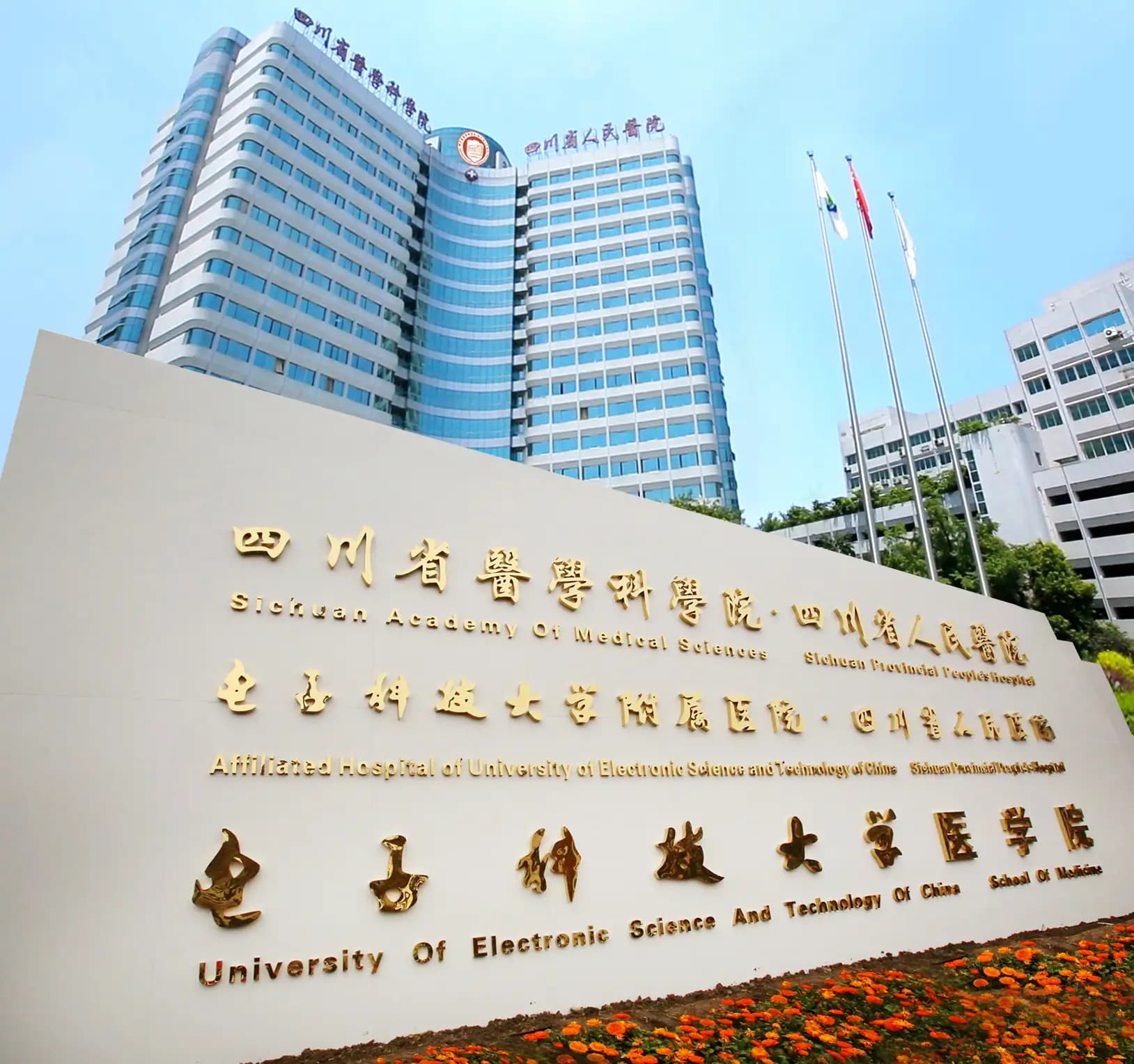
Sichuan Academy of Medical Sciences & Sichuan Provincial People's Hospital, founded in 1941, was originally the "Sichuan Provincial Public Hospital," an affiliated hospital of the former National Central University Medical School. It was renamed Sichuan Provincial People's Hospital in 1952 and was among the first batch of national Grade III Class A hospitals in 1989. In 2002, it merged with the Sichuan Academy of Medical Sciences (formerly the Sichuan Branch of the Chinese Academy of Medical Sciences) to become Sichuan Academy of Medical Sciences & Sichuan Provincial People's Hospital. In 2013, it partnered with the University of Electronic Science and Technology of China to jointly establish a medical school, becoming an affiliated hospital of the University of Electronic Science and Technology of China. The hospital currently has 4,500 beds and multiple treatment and teaching/research units.

Sichuan Academy of Medical Sciences & Sichuan Provincial People's Hospital
West China Hospital of Sichuan University
Grade III Grade A

West China Hospital of Sichuan University

West China Hospital of Sichuan University was founded in 1892, and the West China School of Clinical Medicine of Sichuan University originated from the medical school of West China Union University in 1914. It has now grown into a national-level center for the diagnosis and treatment of complex, critical, and severe illnesses in western China, a renowned institution of higher medical education in China, and a national-level base for first-class medical scientific research and technological innovation, with comprehensive strength ranking among the top in China and advanced internationally. It was among the first batch of national medical center construction units and a pilot hospital for high-quality development jointly built by the national and provincial governments. It houses the National Medical Center for Mental Illness and two national regional medical centers.

West China Hospital of Sichuan University
The University of Hong Kong-Shenzhen Hospital
Grade III Grade A

The University of Hong Kong-Shenzhen Hospital

The University of Hong Kong-Shenzhen Hospital is a large-scale comprehensive public hospital fully funded by the Shenzhen Municipal Government and managed using the modern management model of the University of Hong Kong. The hospital has a total investment of approximately RMB 4 billion, covering an area of ​​192,000 square meters and a total building area of ​​367,000 square meters. It currently has 2,000 beds, and the second phase of construction has begun, which will increase the number of beds to 3,000 in the future. Taking advantage of the Shenzhen-Hong Kong cooperation, the hospital opened on July 1, 2012, fully introducing the University of Hong Kong's world-class disciplines and advanced hospital management experience and medical technology to provide high-quality medical services to the public.

The University of Hong Kong-Shenzhen Hospital
Peking University Shenzhen Hospital
Grade III Grade A

Peking University Shenzhen Hospital

Peking University Shenzhen Hospital is a modern, tertiary-level Class A comprehensive public hospital built with investment from the Shenzhen Municipal Government, integrating medical treatment, scientific research, and teaching. Located in the Futian Central District, the hospital opened at the end of 1999, originally named "Shenzhen Central Hospital." In October 2000, the Shenzhen Municipal Government and Peking University signed a cooperation agreement, pioneering close cooperation between a hospital and university in China, incorporating the hospital into the Peking University Affiliated Hospital Management System and renaming it "Peking University Shenzhen Hospital." The hospital covers an area of ​​59,000 square meters, with a current total building area of ​​248,000 square meters. It is a hospital without walls, with "zero parking" on the ground, and its gardens are evergreen year-round, earning it the reputation of "Shenzhen's most beautiful hospital."

Peking University Shenzhen Hospital
Southern Medical University Southern Hospital
Grade III Grade A

Southern Medical University Southern Hospital

Nanfang Hospital, affiliated with Southern Medical University, is the First Affiliated Hospital and First Clinical Medical College of Southern Medical University. It undertakes clinical medical care, medical education, medical research, and preventive healthcare tasks. It is a large-scale comprehensive tertiary-level Class A hospital and a national regional medical center. Founded in 1941, it initially served as a rear hospital for the Third Division of the New Fourth Army. In 1975, its designation was changed to the First Affiliated Hospital of the First Military Medical University of the Chinese People's Liberation Army, and it was officially named "Nanfang Hospital" with the approval of the General Logistics Department. In 2004, along with the restructuring of the First Military Medical University, the hospital was transferred to Guangdong Province and renamed Nanfang Hospital, Southern Medical University.

Southern Medical University Southern Hospital
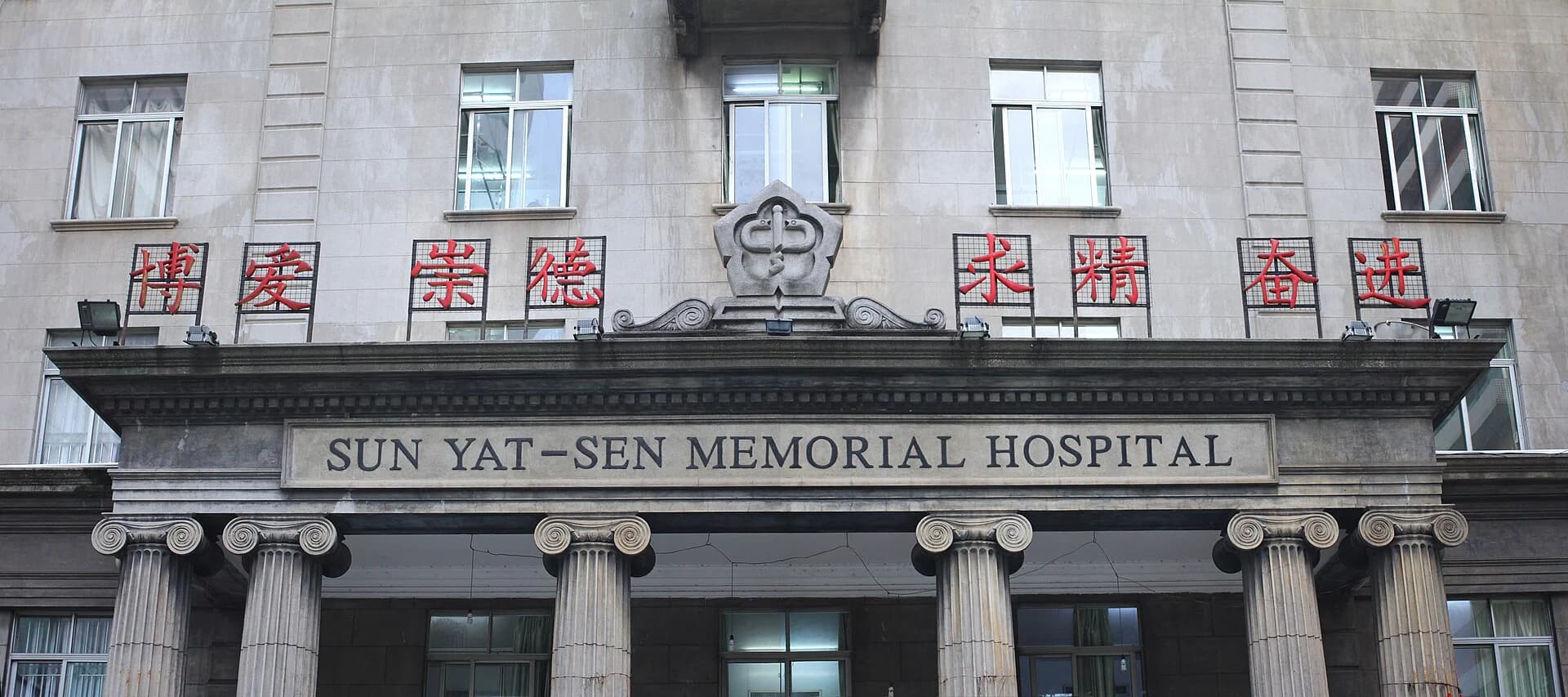
The First Affiliated Hospital of Sun Yat-sen University
Grade III Grade A

The First Affiliated Hospital of Sun Yat-sen University

A century-old institution, dedicated to public service. The First Affiliated Hospital of Sun Yat-sen University (hereinafter referred to as "Sun Yat-sen First Hospital") was founded in 1910, evolving from the public hospital affiliated with the Guangdong Public Medical School. Adhering to the medical motto of "treating illness, body, and mind; saving people, the country, and the world," it has now entered the ranks of China's first-class hospitals.

The First Affiliated Hospital of Sun Yat-sen University

Sample Medical Travel Plans

Experience how medical care in China can pair smoothly with travel: from airport pickup and bilingual hospital support to comfortable city stays and guided recovery-friendly plans.

7 Days

Shenzhen Checkup + Coastal Journey

A 7-day plan combining full health screening with waterfront highlights and easy-paced city travel.

PLAN HIGHLIGHTS

Medical track: comprehensive intake, diagnostics, specialist review, and report handover at Shenzhen People's Hospital.
Coastal highlights: Shenzhen Bay Park -> Talent Park -> Happy Harbour skyline walk.
Beach route: Dameisha -> Xiaomeisha -> Dapeng Fortress -> Jiaochangwei.
City leisure: OCT Harbour -> Window of the World -> Shekou seafood district.
12 Days

Shanghai + Suzhou Modern & Heritage Journey

A 12-day modern-and-traditional route with specialist care in Shanghai and garden-and-canal highlights in Suzhou.

PLAN HIGHLIGHTS

Medical track: intake, specialist consultations, treatment planning, and optional follow-up in Shanghai.
Modern skyline route: The Bund -> Lujiazui -> Shanghai Tower -> West Bund.
Historic Shanghai walk: Yuyuan -> City God Temple -> French Concession -> Xintiandi.
Suzhou extension: Humble Administrator's Garden -> Suzhou Museum -> Pingjiang Road -> Tiger Hill, with optional Tongli/Zhujiajiao.
10 Days

Beijing Chronic Care + Culture Deep Dive

Estimated 4 days for chronic disease treatment planning, followed by 6 days of in-depth Beijing culture.

PLAN HIGHLIGHTS

Medical track (approx. 4 days): evaluation, medication adjustment, multidisciplinary planning, and discharge package.
Cultural classics: Forbidden City -> Jingshan Park -> Temple of Heaven -> Summer Palace.
Deep-dive route: Mutianyu Great Wall -> Shichahai hutongs -> Lama Temple -> Guozijian (Imperial College).
Contemporary Beijing: National Museum -> Wudaoying -> 798 Art District, then final pharmacy pickup and departure.
8 Days

Guangzhou Dental Care + Food Journey

An 8-day route with 2 days of dental care and 6 days focused on Cantonese food and Lingnan landmarks.

PLAN HIGHLIGHTS

Dental track (2 days): oral exam, imaging, cleaning/restoration, and post-treatment review.
Food classics: Tao Tao Ju dim sum -> Xiguan snacks -> Huifu roast goose -> Xihua Road desserts.
Landmark loop: Canton Tower -> Pearl River night cruise -> Flower City Square.
Lingnan heritage: Shamian Island -> Chen Clan Ancestral Hall -> Yongqingfang -> Lychee Bay, with Baiyun Mountain add-on.

Frequently Asked Questions

Answers about planning treatment and travel in China with speed, clarity, and coordinated support.

Still have questions?

Our team can help you review your case and next steps.

Contact Support