Bruxism
Bruxism is non-physiologic tooth contact or grinding activity during sleep or wakefulness. It can cause abnormal tooth wear, dentin sensitivity, pulp disease, periodontal injury, muscle pain, temporomandibular disorders, and other complications.
Common Symptoms
Recognizing Bruxism
Focus on the most useful decision cues first: common symptoms, the patients or situations that usually prompt review, and any signs that need faster assessment.
Common Symptoms
Signs patients often notice before evaluation
Abnormal tooth wear; transient sensitivity or soreness to cold, heat, sour, or sweet stimuli; severe cases may develop pulpitis symptoms, spontaneous pain, or night pain
Muscle symptoms: soreness, fatigue, and stiffness of the masticatory muscles, such as masseter and temporalis, on waking; muscle pain worsens with mouth opening or chewing
Temporomandibular joint symptoms: joint pain, clicking, locking, difficulty opening, or deviation during opening
Tension-type headache in the temporal or occipital region on waking
Awake bruxism: unconscious clenching during daytime concentration, usually without grinding sound, only clenching
When to Seek Evaluation
Typical patients and situations that warrant review
More common in adults with high mental stress, anxiety, depression, or tense personality traits
A bed partner reports, or the patient notices, night grinding sounds
Masticatory muscle soreness and fatigue on waking, with pain during mouth opening or chewing
Unexplained tooth wear, sensitivity, cracks, or mobility
Temporomandibular joint pain, clicking, or difficulty opening
Long-term headache, especially temporal headache on waking
Masseter enlargement and wider face
Abnormal damage or loosening after orthodontic appliances or restorations such as crowns, veneers, or implants
Treatment Approaches
Treatment Directions for Bruxism
Treatment aims to reduce bruxism-related damage, relieve symptoms, and protect teeth and joints. There is currently no definitive cure; management is mainly protective and symptomatic
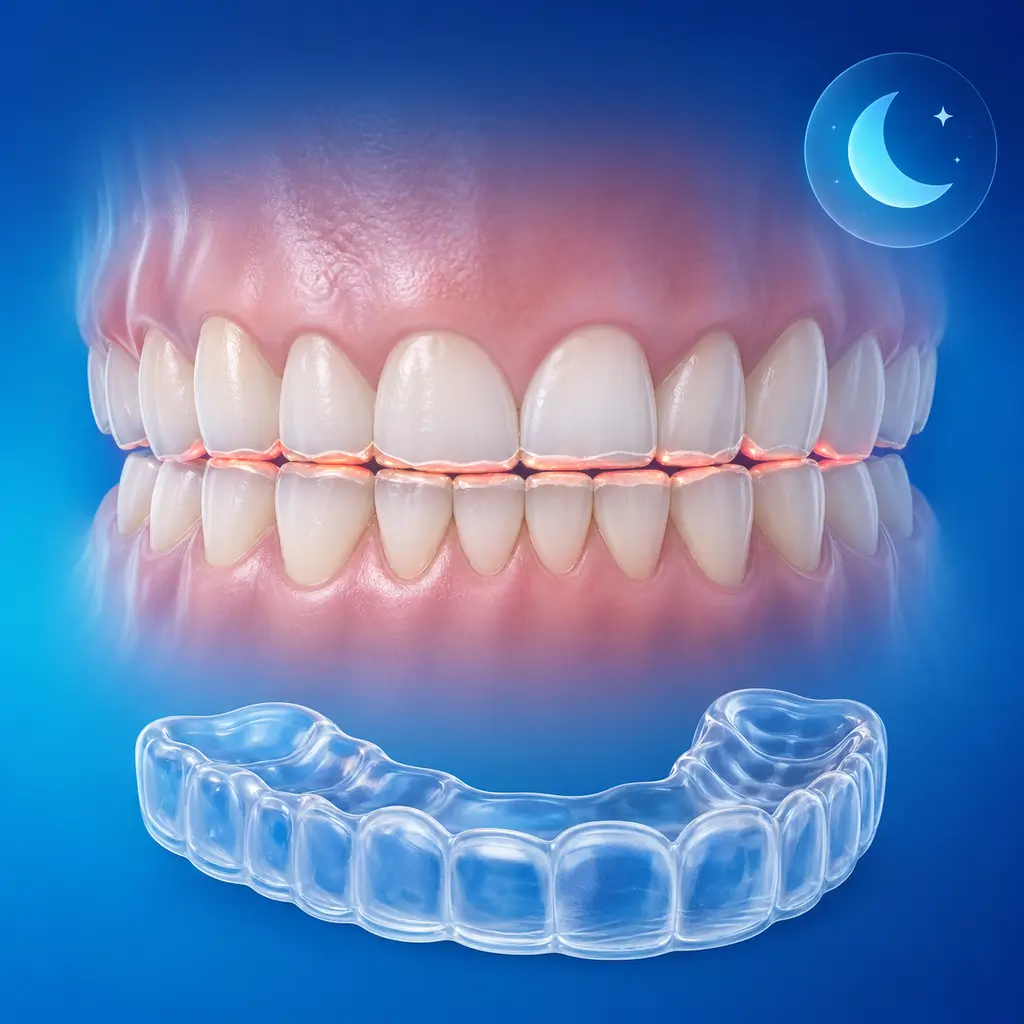
Occlusal splint is the most common and effective protective measure. Worn at night, it separates upper and lower teeth, absorbs grinding force, and protects teeth, restorations, implants, and joints. It requires regular review and adjustment and long-term use, with replacement every 6-12 months
Patients with mental tension may seek neurology or psychology care
Treat tooth and joint diseases symptomatically
What usually shapes the treatment plan
Clinical Assessment
Key Assessments for Bruxism
These are the main areas doctors usually review first. If you already have relevant test or imaging reports, bring them to speed up the assessment. They are helpful but not required, and the same workup can also be completed in China.
Degree of tooth wear
Pulp status
Periodontal status and assessment for cracked teeth
Pulp disease
Periodontal disease
Masticatory muscle hypertrophy
Muscle pain
Temporomandibular disorders
Trigger assessment: mental stress
Anxiety
Sleep quality
Medication history
Family history: parents
Whether siblings have bruxism
Before You Travel
How to Prepare
Bring previous dental treatment history
Planning Notes
Pre-Assessment Required
An oral specialist should perform an intraoral examination and, as appropriate, periodontal probing, pulp vitality testing, periapical radiographs, panoramic radiographs, or CBCT before determining the treatment plan. Key checks include specialist oral examination; tooth wear assessment by observing incisal edges, cusps, and occlusal surfaces; tooth sensitivity testing with cold air and explorer scratching; and pulp vitality testing with cold/heat and electric pulp tests to assess pulp disease. Bring specialist oral examination information and notes on recent mental stress, anxiety, and sleep quality.
Remote Pre-Assessment
Intraoral photos, the course of pain/swelling, previous dental records, and imaging can be submitted remotely for preliminary triage, urgency assessment, and an estimated treatment direction. Final diagnosis still requires in-person intraoral examination and necessary imaging.
Multidisciplinary Assessment
Depending on the condition, joint evaluation by oral and maxillofacial surgery, endodontics, periodontics, prosthodontics, orthodontics, imaging, anesthesia, or other related disciplines is recommended, especially for complex infection, tumors, trauma, jaw lesions, or high systemic disease risk.
Medical History Important
Previous dental treatment history, imaging, allergy history, anticoagulant/bisphosphonate use, diabetes, and immune-related diseases can affect diagnosis, anesthesia, bleeding and infection risk, and treatment selection.
Ready to Explore Treatment for Bruxism?
Let Carevia help you connect with the right specialists, compare hospitals, and plan your medical trip to China.