Root Canal Treatment
Infected pulp is removed and the root canals are tightly filled. This is the basic treatment for irreversible pulpitis, pulp necrosis, and periapical periodontitis.
Root canal treatment is used for irreversible pulpitis, pulp necrosis, periapical periodontitis, and related conditions. The core steps are removal of infected or necrotic pulp, mechanical and chemical preparation and irrigation of the canals, and tight filling of the root canal system. Treatment usually requires one or more follow-up visits, and complex canals, retreatment, periapical lesions, or acute infection may extend the course. After root canal treatment, tooth strength decreases, and posterior teeth or teeth with large defects often require inlay, crown, or post-and-core crown restoration to reduce fracture risk.
Quick Reference
Treatment
1 hours – 2 hours
Observation
0.5 months – 1.4 months
Est. Cost
$74 – $300
Department
Endodontics
Who Is This For
Is Root Canal Treatment Right for You?
Good Candidates
- Irreversible pulpitis, pulp necrosis, acute or chronic periapical periodontitis, traumatic pulp exposure or fracture, and situations requiring post-and-crown restoration
May Not Be Suitable
- Teeth with no function or no restorative value
- Teeth without adequate periodontal support
- Teeth with poor prognosis or patients unable to cooperate
- Severe systemic disease that prevents tolerating treatment
- Limited mouth opening that prevents the procedure
Step-by-Step Process
How Root Canal Treatment Works
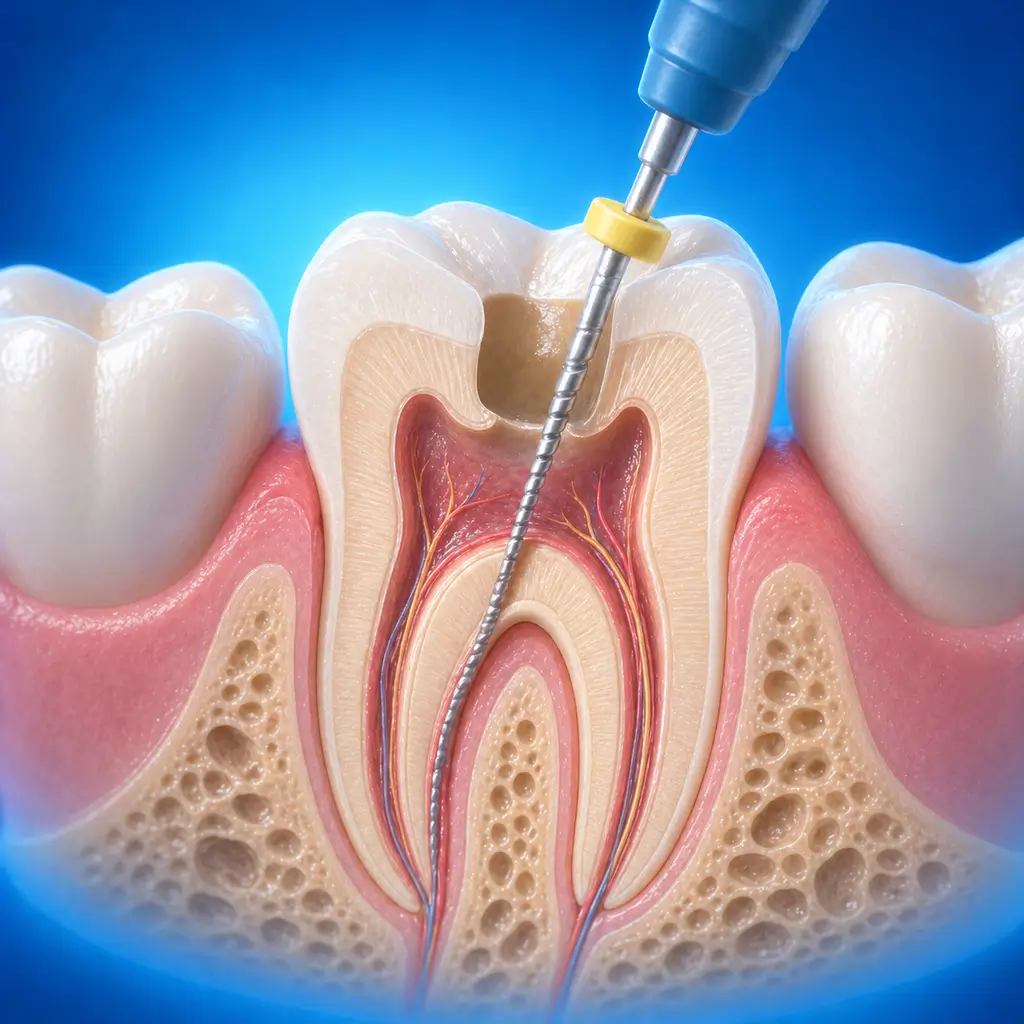
Diagnosis and Isolation
Before treatment, confirm the affected tooth and assess pulp and periapical status. After local anesthesia, use a rubber dam to reduce saliva contamination.
Access Opening and Canal Location
Open the pulp chamber, remove infected or necrotic pulp, locate and confirm canal orifices, and use a microscope or imaging assistance when needed for complex canals.
Canal Preparation and Irrigation
After measuring working length, perform mechanical preparation and chemical cleaning with irrigants that meet root canal treatment standards to reduce infection in the canals.
Canal Disinfection and Temporary Seal
If infection is severe or exudate is present, disinfecting medication may be placed in the canals and the tooth tightly temporarily sealed until symptoms and exudate are controlled.
Canal Filling and Coronal Restoration
When the canals are dry and there are no obvious symptoms or exudate, the root canal system is tightly filled and reliable coronal sealing is completed as soon as possible. Posterior teeth or teeth with large defects often need inlay or crown protection.
Usually 2-4 visits are needed, with about 1 week between visits, for a total course of about 2-4 weeks. A few teeth without infection or with suitable conditions can be completed in one visit.
Cost Information
Cost Estimate for Root Canal Treatment
Estimated Price Range
$74 – $300
What's Included
Anesthesia, material fees, procedure fees, about RMB 500 per canal, with anterior teeth usually having 1-2 canals and posterior teeth 2-4 canals, plus simple filling fees.
Before Your Visit
What to Prepare
Required Tests & Examinations
If you already have recent valid test results, bring the reports. If not, these assessments can usually be completed in China before the procedure.
Clinical oral examination, including history, visual exam, probing, and percussion
X-ray to assess root canal anatomy and periapical lesions
Pulp vitality testing, such as cold/heat testing or electric pulp testing, to determine pulp status
Documents & Materials to Bring
Required to Bring
Recent dental imaging, such as periapical radiographs, panoramic radiographs, or CBCT if available
Previous dental treatment records, especially filling, root canal treatment, or crown restoration records
Medication allergy history
General medical history
Current medication list
Companion & Support
A dedicated companion is usually not needed. For children, older adults, pregnancy, underlying medical conditions, or when treatment may affect eating or travel afterward, having a family member accompany the patient is recommended.
After Treatment
Recovery & Follow-Up
Avoid chewing hard objects on the treated side to prevent tooth fracture.
Maintain oral hygiene and attend follow-up on schedule as instructed.
After root canal treatment, the tooth becomes more brittle, so timely crown protection is recommended.
Follow-Up Schedule
Follow-up at 3, 6, 12, and 24 months after treatment.
Related Conditions
Conditions This Procedure Treats
Ready to Plan Root Canal Treatment in China?
Let Carevia help you find the right hospital, coordinate your treatment, and arrange every detail of your medical trip.
Frequently Asked Questions
Need personalized guidance?
Our care coordinators can help you assess whether this procedure fits your situation.
Contact Us