Abscess Incision and Drainage
An incision is made at the most superficial or dependent part of the abscess to drain pus and establish continuous drainage, eliminating the infection source, relieving pain, and preventing spread.
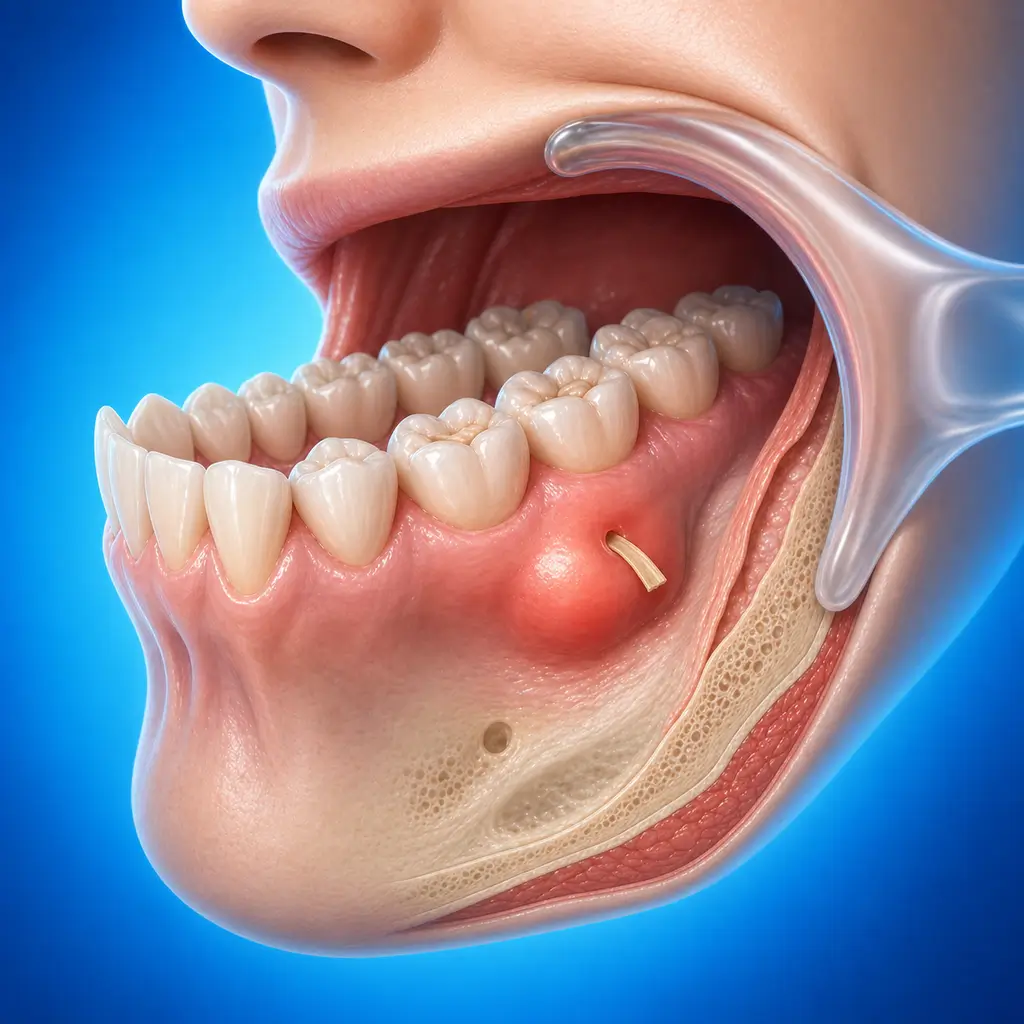
Abscess incision and drainage is a basic surgical treatment for deep or superficial abscesses. Once infected tissue becomes necrotic and liquefies into a pus cavity, antibiotics alone cannot effectively control the infection. Surgical incision drains pus and places a drain to keep drainage open, reducing pressure and pain, preventing spread, and promoting healing. Oral and maxillofacial fascial spaces are anatomically complex. If an abscess forms and is not drained promptly, infection may spread to adjacent spaces and even cause serious life-threatening complications such as cavernous sinus thrombophlebitis or mediastinal infection.
Quick Reference
Treatment
30 mins – 2 hours
Observation
1 days – 0.3 months
Est. Cost
$74
Department
Oral and Maxillofacial Surgery
Who Is This For
Is Abscess Incision and Drainage Right for You?
Good Candidates
- Worsening local pain with pulsating throbbing pain
- Obvious inflammatory swelling with tense, red, shiny skin
- Clear tenderness point, fluctuation, or pitting edema on palpation
- Deep abscess with pus aspirated by puncture
- Antibiotics failing to control infection, with obvious systemic toxic symptoms
- Perimandibular cellulitis involving multiple spaces with breathing or swallowing difficulty
- Tuberculous lymphadenitis with ineffective local and systemic anti-tuberculosis treatment, red skin, and near spontaneous rupture
May Not Be Suitable
- Early inflammation before abscess formation, with only redness, swelling, heat, and pain but no fluctuation
- Severe uncorrected coagulation disorder
- Extremely poor general condition that cannot tolerate surgery
- Early infection responding to antibiotics and subsiding
Step-by-Step Process
How Abscess Incision and Drainage Works
Preoperative Preparation
Verify patient information, confirm abscess location and extent, and obtain informed consent.
Anesthesia
Local infiltration anesthesia is used for superficial abscesses, and general anesthesia is used for deep abscesses.
Incision
Choose the most dependent or superficial part of the abscess for incision, following skin creases or neurovascular pathways while avoiding important structures. Incise into the abscess cavity, use blunt dissection for full drainage, irrigate thoroughly with sterile saline until the outflow is mostly clear, and use another appropriate irrigant if selected by the doctor.
Drainage
Place drainage material.
Usually one incision and drainage procedure is performed. After surgery, daily or every-other-day dressing changes, irrigation, and drainage-volume observation are needed. When drainage clearly decreases, swelling and pain improve, and the cavity shrinks, the drain is removed; dressing changes continue until the wound heals. Systemic antibiotics are decided based on infection extent, systemic symptoms, and underlying diseases.
Cost Information
Cost Estimate for Abscess Incision and Drainage
Estimated Price Range
$74
What's Included
Fees usually include anesthesia, abscess incision and drainage, local irrigation and medication, and postoperative dressing changes. Costs increase for larger infections, general anesthesia, or hospitalization.
Before Your Visit
What to Prepare
Required Tests & Examinations
If you already have recent valid test results, bring the reports. If not, these assessments can usually be completed in China before the procedure.
Clinical examination: palpate for fluctuation and assess swelling extent, skin color, skin temperature, mouth opening, and related findings
Puncture test: suspected deep abscess can be confirmed by aspirating pus
Imaging examinations:
Panoramic radiograph: assess the odontogenic infection source
CT: for fascial space infection, CT is needed to identify abscess location, extent, and relationship to important structures
Laboratory tests: complete blood count, white blood cell count, neutrophil percentage, C-reactive protein, procalcitonin, and related markers to assess infection severity
Bacterial culture and drug sensitivity: pus is sent for testing to guide later antibiotic use
Documents & Materials to Bring
Required to Bring
Previous systemic disease information, especially diabetes, immunosuppression, or coagulation abnormality
Previous dental treatment records
Recent imaging results, such as periapical radiograph, panoramic radiograph, CBCT, or CT if available
Recent infection-related test results such as complete blood count or C-reactive protein if completed
Medication allergy history and current medication list
Companion & Support
An adult companion is recommended for postoperative pickup and observation. For general anesthesia, sedation, larger procedures, child patients, or patients with limited mobility, arrange accompaniment according to hospital requirements.
After Treatment
Recovery & Follow-Up
Keep the drain patent and prevent it from slipping out or becoming blocked.
Keep the area clean; intraoral incisions may be rinsed with chlorhexidine mouthwash.
Change dressings on schedule as instructed, and do not remove the drain early on your own.
If antibiotics are prescribed, complete the course as instructed and do not increase the dose or stop on your own.
Closely observe changes in temperature, swelling extent, and pain severity.
Seek emergency care if breathing difficulty, swallowing difficulty, persistent high fever, or rapidly spreading swelling occurs.
Patients with diabetes must strictly control blood glucose.
Follow-Up Schedule
Daily or every-other-day dressing-change follow-up is usually needed after surgery until drainage clearly decreases and swelling and pain improve. About 3 days after drain removal, the wound is reviewed. Seek care earlier if fever, spreading swelling, or worsening limited mouth opening occurs.
Related Conditions
Conditions This Procedure Treats
Ready to Plan Abscess Incision and Drainage in China?
Let Carevia help you find the right hospital, coordinate your treatment, and arrange every detail of your medical trip.
Frequently Asked Questions
Need personalized guidance?
Our care coordinators can help you assess whether this procedure fits your situation.
Contact Us