Dental Veneer Restoration
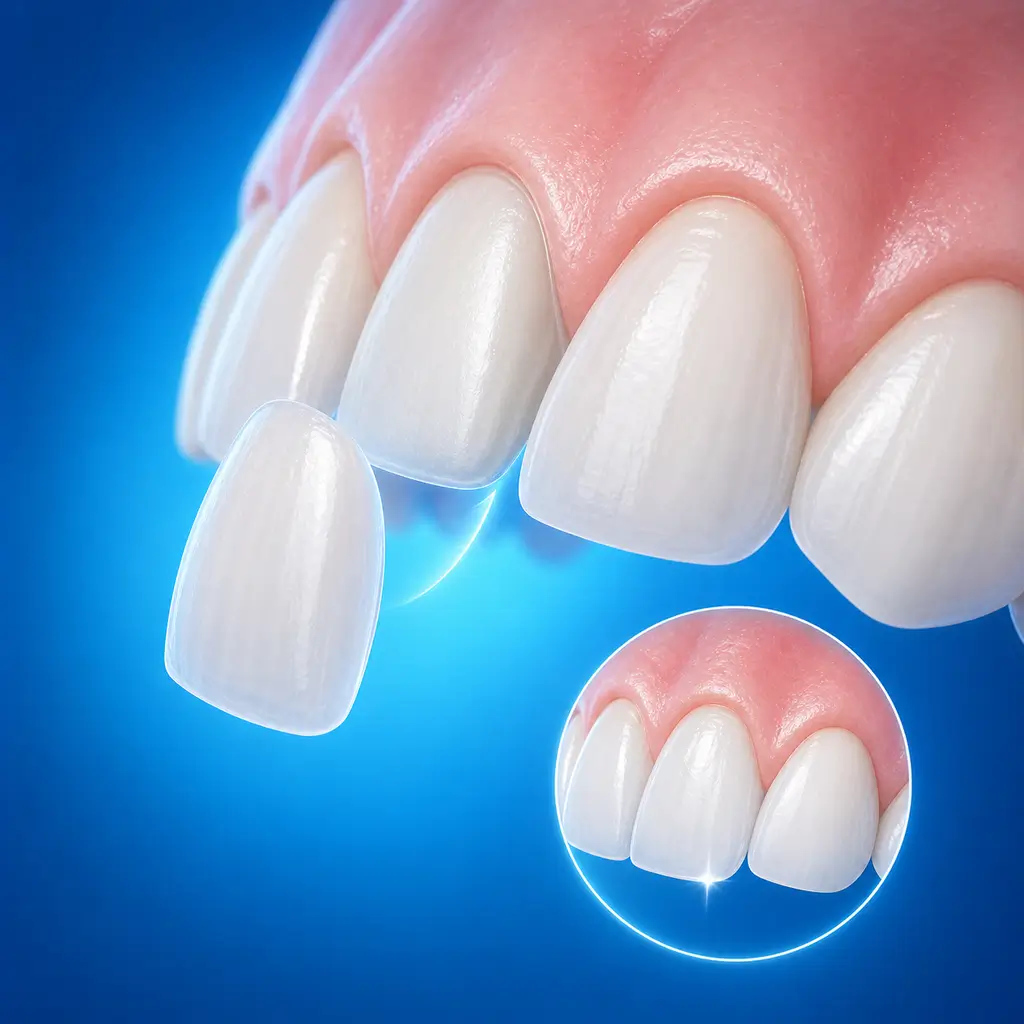
A thin restoration is bonded to the labial surface of a tooth to improve color, shape, size, and alignment. It is a minimally invasive esthetic restoration technique.
A veneer is a thin restoration, usually porcelain or resin, bonded to the outer surface of a tooth, the labial side, to improve color, shape, size, and alignment. The most common materials are porcelain and composite resin, with porcelain veneers offering better color stability and wear resistance. Compared with full crowns, veneers remove less tooth structure, only about 0.3-0.5 mm, and preserve healthy tooth structure as much as possible, making them one of the preferred options for anterior esthetic restoration. Veneer restoration involves diagnosis and design, tooth preparation, impressions, fabrication, bonding, and other steps, and strict bonding protocols are needed for esthetic effect and long-term success. Recent developments include no-prep veneers and ultra-thin veneers, which cause less tooth damage.
Quick Reference
Treatment
1 hours – 2 hours
Observation
0 mins – 1 days
Est. Cost
$74 – $1,200
Department
Cosmetic Dentistry
Who Is This For
Is Dental Veneer Restoration Right for You?
Good Candidates
- Abnormal tooth color, such as tetracycline staining, dental fluorosis, non-vital tooth discoloration, or age-related yellowing when conventional bleaching is ineffective
- Abnormal tooth shape, such as microdontia, peg-shaped teeth, or enamel hypoplasia
- Mild tooth defects, such as small defects from caries or trauma
- Large interdental spaces, closing scattered anterior spaces of 1-2 mm
- Mild tooth misalignment, such as slight rotation or displacement
- Replacement of old veneers with unsatisfactory color or shape
May Not Be Suitable
- Severe tooth misalignment, deep overbite, or reverse bite, requiring orthodontic treatment first
- Large tooth defects requiring full crown restoration
- Severe sleep bruxism or excessive bite force
- Very poor oral hygiene with high caries activity
- Uncontrolled severe periodontitis
- Allergy to restorative materials
Step-by-Step Process
How Dental Veneer Restoration Works
Esthetic Analysis
Facial and intraoral photos are taken, study models are made, and a diagnostic wax-up or DSD design is used to simulate the restoration result.
Tooth Preparation
About 0.3-0.5 mm is removed from the labial tooth surface, while no-prep veneers require no tooth reduction. The margin is prepared subgingivally or at the gingival level, and after gingival retraction an impression or intraoral scan is taken.
Temporary Veneer
After preparation, temporary veneers may be made to protect the teeth and maintain appearance.
Laboratory Fabrication Between Visits
The model is sent to the dental laboratory to fabricate porcelain veneers, taking about 1-2 weeks.
Try-in
Temporary veneers are removed, the tooth surfaces are cleaned, and veneers are tried in to check marginal fit, shape, and color.
Bonding
A rubber dam is used for moisture control. The tooth surface is etched and adhesive applied. The veneer is etched with hydrofluoric acid, silanized, and bonded with resin cement.
Curing and Adjustment
Light curing is performed, excess cement is removed, occlusal high spots are adjusted, and polishing is completed.
Review and Maintenance
Regular follow-up evaluates veneer marginal fit and periodontal status.
Usually 2-3 visits are needed, about 1-2 weeks apart.
Cost Information
Cost Estimate for Dental Veneer Restoration
Estimated Price Range
$74 – $1,200
What's Included
Digital or plaster models, tooth preparation, veneer materials such as resin, pressed ceramic, glass ceramic, or lithium disilicate, fabrication method, traditional or digital, and bonding.
Before Your Visit
What to Prepare
Required Tests & Examinations
If you already have recent valid test results, bring the reports. If not, these assessments can usually be completed in China before the procedure.
Clinical oral examination: assess tooth color, shape, alignment, occlusion, and periodontal status
X-ray examination: assess pulp status, roots, alveolar bone, and rule out periapical lesions
Esthetic analysis: facial analysis, lip-tooth relationship, and tooth proportion analysis to determine veneer shape and color
Diagnostic wax-up or digital simulation to preview the restoration result
Pulp vitality testing when needed
Documents & Materials to Bring
Required to Bring
Recent oral examination and imaging if available
Previous dental treatment records, especially fillings, root canal treatment, orthodontics, or whitening
Existing restorations, occlusal records, or esthetic design materials, such as intraoral scans, models, or photos if available
Medication allergy history
General medical history information
Companion & Support
A dedicated companion is usually not needed. For children, older adults, pregnancy, underlying medical conditions, or when treatment may affect eating or travel afterward, having a family member accompany the patient is recommended.
After Treatment
Recovery & Follow-Up
Avoid biting hard objects with veneered teeth for 24 hours after bonding.
Avoid easily staining foods such as coffee, tea, red wine, and curry, especially for 24-48 hours after bonding.
Avoid bad habits such as opening bottle caps, biting bones, or biting nails with veneered teeth.
Use a soft-bristled toothbrush and avoid hard bristles that can wear the veneer surface.
Use floss to clean interdental spaces around veneers and prevent secondary caries.
Attend regular follow-up to check marginal fit and any chipping or damage.
Follow-Up Schedule
Review occlusion and gingival condition 1 week after treatment. Regular follow-up every 6-12 months.
Related Conditions
Conditions This Procedure Treats
Ready to Plan Dental Veneer Restoration in China?
Let Carevia help you find the right hospital, coordinate your treatment, and arrange every detail of your medical trip.
Frequently Asked Questions
Need personalized guidance?
Our care coordinators can help you assess whether this procedure fits your situation.
Contact Us