Dental Filling
After decayed or damaged tooth structure is removed, a restorative material is used to restore the tooth's shape and function. It is a common treatment for dental caries and small to moderate tooth defects.
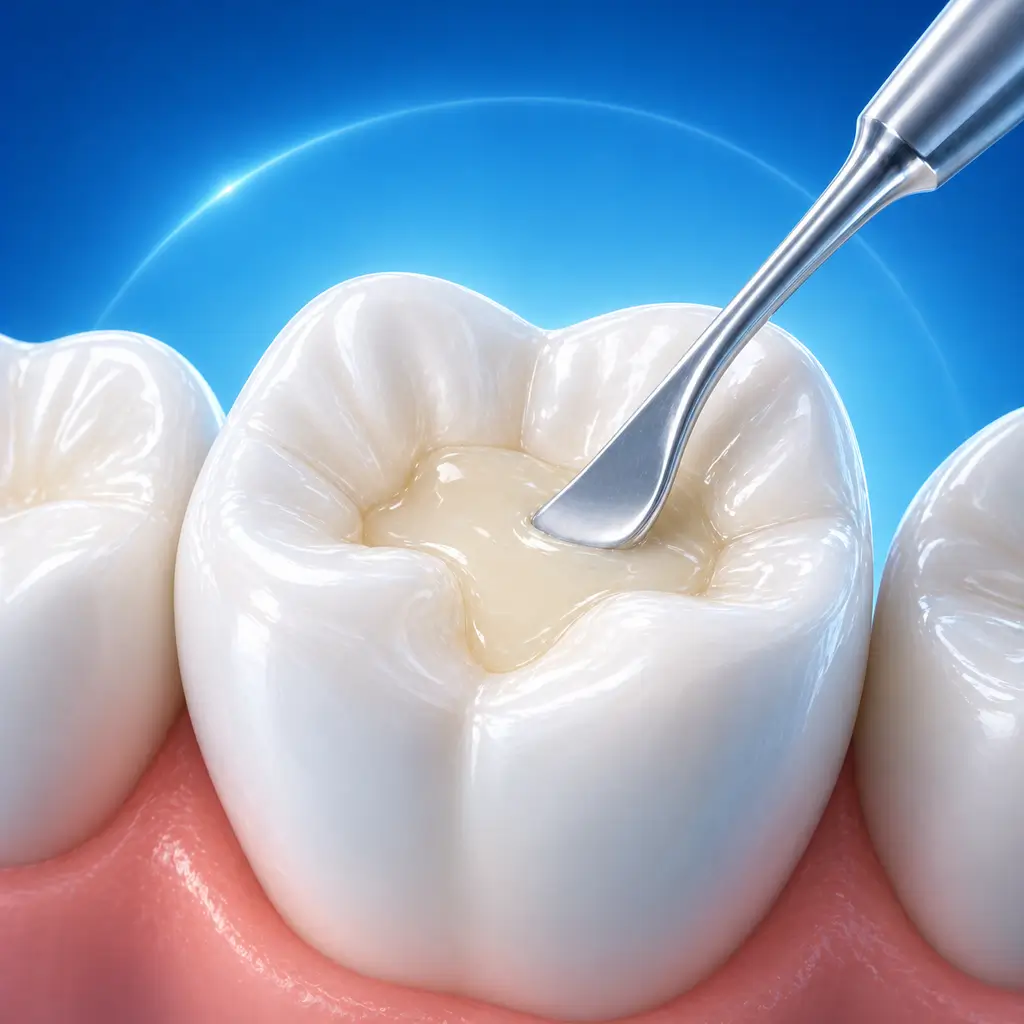
Dental filling is a routine treatment in which decayed, softened, or contaminated tooth structure is removed, the cavity is prepared according to the extent of the defect, and resin, glass ionomer, or another material is used to restore tooth shape, proximal contact, and chewing function. Before treatment, the dentist must determine whether the pulp is healthy: shallow and moderate caries can usually be filled in one visit, deep caries close to the pulp may require pulp protection or staged observation, and irreversible pulpitis or periapical disease requires root canal treatment instead. Proper moisture control, bonding, and occlusal adjustment affect restoration longevity and the risk of postoperative sensitivity.
Quick Reference
Treatment
30 mins – 2 hours
Observation
1 days – 3 days
Est. Cost
$45 – $200
Department
Endodontics
Who Is This For
Is Dental Filling Right for You?
Good Candidates
- Tooth defects caused by dental caries or other causes
May Not Be Suitable
- Very large tooth defects with weak remaining crown structure, where filling material cannot provide enough protection and may deform or fracture under chewing forces because of material limitations
- Cases where the filling material cannot obtain enough retention and is likely to fall out
- Patients who need the bite raised or restored
- Patients with excessive jaw force, night grinding, severe crown wear, or short clinical crowns
- Tooth discoloration such as dental fluorosis or tetracycline staining when appearance improvement and high esthetic demands are the main concern
- A tooth with a defect that needs to serve as an abutment for a fixed denture or removable partial denture
Step-by-Step Process
How Dental Filling Works
Confirm Indications
First confirm that the tooth is worth preserving, assess caries depth, pulp vitality, percussion tenderness, and periapical status, and rule out cases that require root canal treatment or extraction.
Caries Removal and Cavity Preparation
Under moisture control, remove decayed and softened tooth structure while preserving healthy tooth tissue, and prepare a cavity form suitable for retention and sealing with the chosen filling material.
Pulp Protection and Lining
When caries is close to the pulp, choose pulp protection, a liner/base, or staged observation according to remaining dentin thickness and pulp response, avoiding unnecessary pulp exposure.
Placement and Shaping
Place resin, glass ionomer, or another material to restore tooth contour, proximal contact, and occlusal contact, then light-cure or allow the material to set as appropriate.
Occlusal Adjustment and Polishing
Check for high spots, overly tight contacts, or food impaction risk, finish and polish the margins, and explain postoperative sensitivity and follow-up precautions.
Shallow and moderate caries can usually be completed in one visit; deep caries, near-pulp lesions, or unclear symptoms may require staged pulp protection, temporary sealing for observation, or conversion to root canal treatment.
Cost Information
Cost Estimate for Dental Filling
Estimated Price Range
$45 – $200
What's Included
Cost is usually affected by tooth position, caries depth, number of restored surfaces, moisture-control method, material type, and whether pulp protection is needed. Esthetic anterior resin restorations, complex proximal restorations, or cases requiring models or guides cost more than ordinary fillings.
Before Your Visit
What to Prepare
Required Tests & Examinations
If you already have recent valid test results, bring the reports. If not, these assessments can usually be completed in China before the procedure.
Physical examination: visual inspection for color change, probing for lesion texture and mobility, percussion for tenderness, and thermal or electric pulp testing for pulp vitality
Imaging: X-ray, CBCT
Documents & Materials to Bring
Required to Bring
Recent dental imaging, such as periapical radiographs, panoramic radiographs, or CBCT if available
Previous dental treatment records, such as filling, root canal treatment, extraction, or restoration records if available
Medication allergy history
General medical history
Current medication list
Companion & Support
A dedicated companion is usually not needed. For children, older adults, pregnancy, underlying medical conditions, or when treatment may affect eating or travel afterward, having a family member accompany the patient is recommended.
After Treatment
Recovery & Follow-Up
Mild short-term sensitivity to cold or heat may occur after filling and usually improves gradually.
Before anesthesia has fully worn off, avoid chewing very hard or very hot foods to prevent biting the lips or damaging the restoration.
If spontaneous pain, night pain, biting pain, or loss of the filling occurs, seek follow-up promptly.
Follow-Up Schedule
Follow-up is usually recommended every 6-12 months. Return earlier if persistent sensitivity, biting pain, food impaction, or loosening or loss of the filling occurs.
Related Conditions
Conditions This Procedure Treats
Ready to Plan Dental Filling in China?
Let Carevia help you find the right hospital, coordinate your treatment, and arrange every detail of your medical trip.
Frequently Asked Questions
Need personalized guidance?
Our care coordinators can help you assess whether this procedure fits your situation.
Contact Us