Heart failure with reduced ejection fraction
Heart failure with reduced ejection fraction is a clinical syndrome with current or previous heart-failure symptoms or signs, a structural or functional cardiac abnormality, and a left ventricular ejection fraction (LVEF) ≤40%.
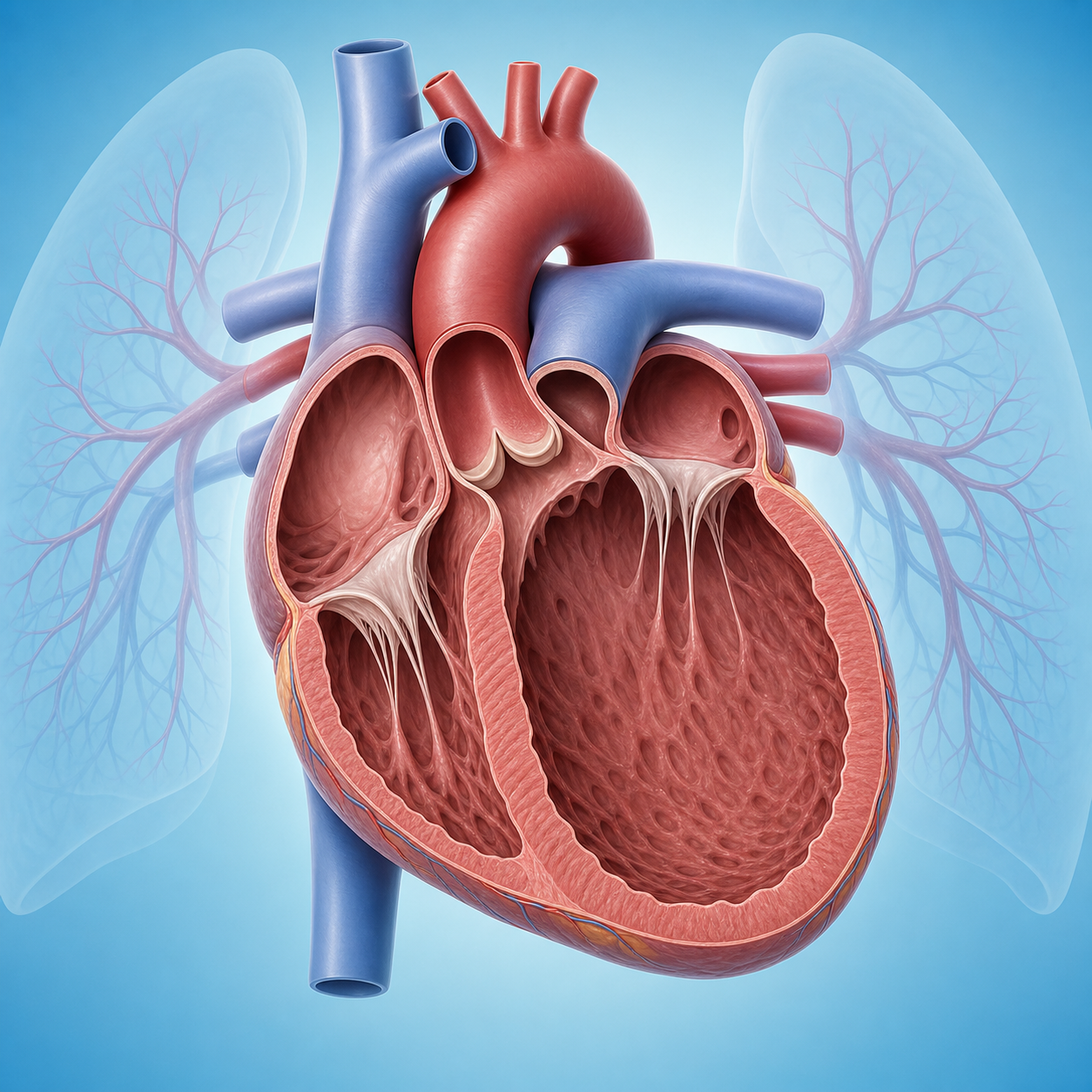
Common Symptoms
Recognizing Heart failure with reduced ejection fraction
Focus on the most useful decision cues first: common symptoms, the patients or situations that usually prompt review, and any signs that need faster assessment.
Common Symptoms
Signs patients often notice before evaluation
Breathlessness during activity or when lying flat, or waking short of breath
Fatigue, reduced exercise tolerance, leg swelling, abdominal fullness, or rapid fluid-related weight gain
When to Seek Evaluation
Typical patients and situations that warrant review
People with heart-muscle damage after myocardial infarction, coronary disease, or long-term hypertension
People with dilated or another cardiomyopathy, myocarditis, or inherited cardiomyopathy
People with valvular disease, persistent tachyarrhythmia, or congenital heart disease
People exposed to certain cardiotoxic medicines, chest radiotherapy, long-term heavy alcohol use, or other toxins
Diabetes, chronic kidney disease, obesity, and sleep apnea can increase the risk of onset or worsening
New breathlessness with activity, difficulty lying flat, waking short of breath, leg swelling, or unexplained reduced exercise tolerance
Known heart failure with weight gain, swelling, or worsening breathlessness over several days, requiring assessment of fluid retention and triggers
Medication has not yet been optimized, low blood pressure or changes in kidney function or potassium occur, or medication causes marked symptoms
Symptoms persist despite adequate medication, or an implantable defibrillator, cardiac resynchronization, revascularization, or valve treatment needs assessment
Severe breathlessness at rest, pink frothy sputum, low oxygen, chest pain, fainting, altered consciousness, cold clammy skin, or markedly reduced urine output requires immediate emergency care
Urgent Assessment
Seek emergency care immediately for severe breathlessness at rest, pink frothy sputum, blue lips, low oxygen, fainting, confusion, chest pain, very low blood pressure, cold clammy skin, or rapidly worsening swelling with reduced urine output.
Treatment Approaches
Treatment Directions for Heart failure with reduced ejection fraction
During acute decompensation, first stabilize breathing and circulation, relieve congestion, and treat triggers such as ischemia, infection, or arrhythmia
During a stable phase, establish evidence-based foundational medicines when not contraindicated and tolerated, adjusting stepwise to blood pressure, kidney function, and potassium
Use a diuretic strategy to relieve symptoms when fluid retention is present and provide guidance on weight, symptoms, and any necessary home monitoring
Assess and treat causes or coexisting conditions such as coronary disease, valvular disease, atrial fibrillation, iron deficiency, diabetes, and kidney disease, with exercise rehabilitation and lifestyle management
After adequate optimization, assess an implantable defibrillator, cardiac resynchronization, or advanced heart-failure therapy only for people who meet the relevant criteria
What usually shapes the treatment plan
Clinical Assessment
Key Assessments for Heart failure with reduced ejection fraction
These are the main areas doctors usually review first. If you already have relevant test or imaging reports, bring them to speed up the assessment. They are helpful but not required, and the same workup can also be completed in China.
Breathlessness, weight change, swelling, jugular veins and lung signs, together with blood pressure, heart rate, perfusion, and oxygen level
Electrocardiogram and echocardiography to assess rhythm, LVEF, chambers, valves, right-heart function, and clues to pulmonary artery pressure
Kidney function, sodium, potassium, full blood count and iron status, liver function and glucose, with thyroid and natriuretic-peptide testing as appropriate
Triggers of decompensation such as ischemia, infection, arrhythmia, interrupted medication, high salt or fluid intake, and changes in kidney function
Medication classes, doses, tolerance, and adherence, followed after adequate optimization by assessment of QRS duration (ventricular electrical activation on the electrocardiogram), device therapy, and features of advanced heart failure
Before You Travel
How to Prepare
Bring reports and original images, together with a complete list of medicines, supplements, and allergies.
Record symptoms and related home measurements, and note previous reactions, pregnancy status, implanted devices, and hospital admissions.
Planning Notes
Pre-Assessment Required
Before selecting a plan, confirm the diagnosis and severity, review current medications and test results, and identify factors that change benefit or risk.
Remote Pre-Assessment
Records and symptoms can be reviewed remotely, but diagnosis or treatment decisions may still require examination, laboratory tests, imaging, or an in-person specialist assessment.
Multidisciplinary Assessment
Complex invasive or device decisions should be reviewed by the relevant multidisciplinary cardiovascular team.
Medical History Important
Cardiovascular medicines, anticoagulants, liver and kidney function, interactions, allergies, and previous adverse reactions may change the safest plan.
Ready to Explore Treatment for Heart failure with reduced ejection fraction?
Let Carevia help you connect with the right specialists, compare hospitals, and plan your medical trip to China.