Tooth Bleaching
Bleaching agents are used to improve tooth color. It is suitable for some extrinsic or intrinsic staining, after caries, pulp, and periodontal problems are ruled out.
Tooth bleaching uses peroxide bleaching agents to break down pigments inside and outside the tooth structure and improve tooth color. It is suitable for age-related yellowing, mild to moderate extrinsic staining, and some fluorosis or tetracycline staining. Before bleaching, caries, cracked teeth, pulp disease, and severe periodontal problems must be ruled out, and the patient should be informed about possible short-term sensitivity and color rebound. For severe discoloration, enamel defects, or shape abnormalities, bleaching alone has limited effect and may need to be combined with veneers or crowns.
Quick Reference
Treatment
1 hours – 8 hours
Observation
0 mins – 1 days
Est. Cost
$100 – $300
Department
Cosmetic Dentistry
Who Is This For
Is Tooth Bleaching Right for You?
Good Candidates
- Mild to moderate tetracycline staining, dental fluorosis, or enamel hypoplasia
- Age-related tooth yellowing
- Extrinsic staining from food, drinks, or tobacco
- Non-vital discolored teeth after adequate root canal treatment, suitable for internal bleaching
May Not Be Suitable
- Uncontrolled periodontal inflammation
- Large tooth defects
- Teeth with no value for preservation
- Peroxide allergy, pregnancy or breastfeeding, and minors
Step-by-Step Process
How Tooth Bleaching Works
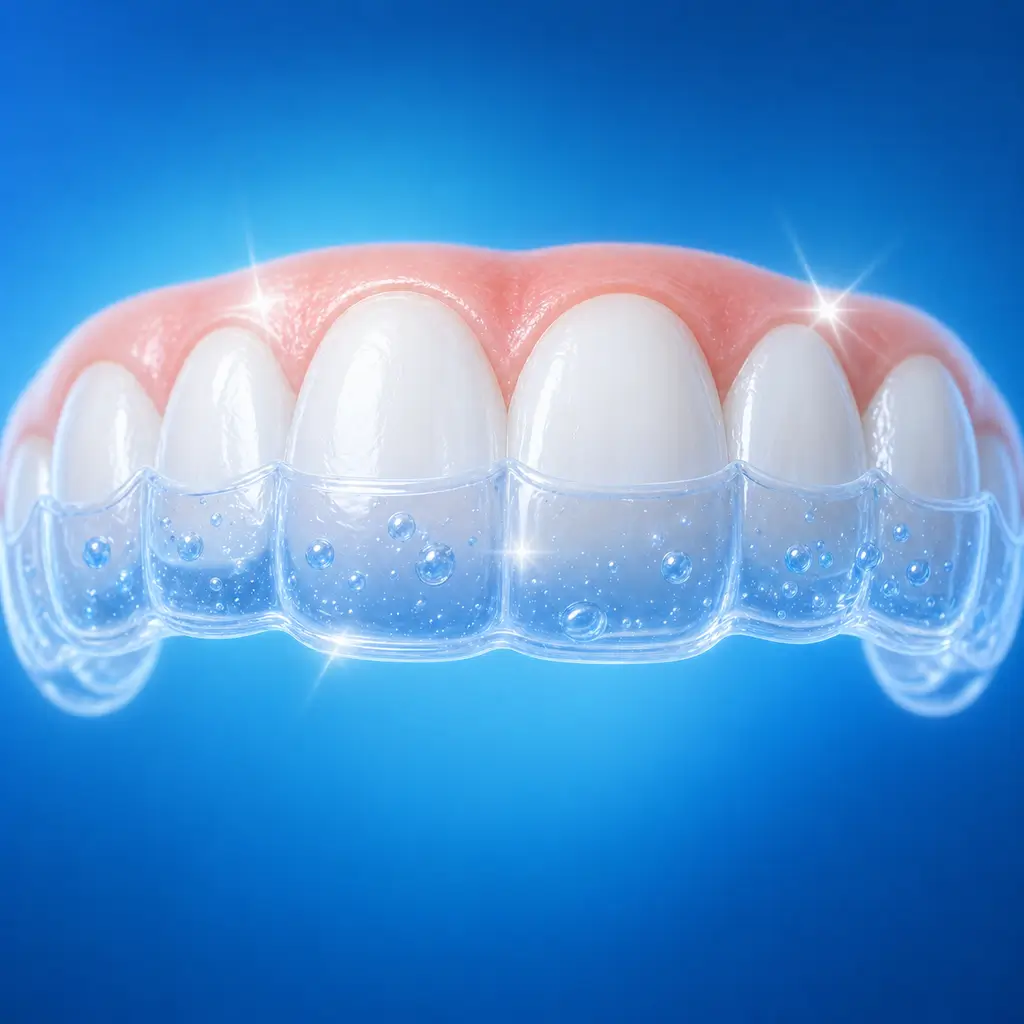
In-office Light-activated Whitening
Record the initial tooth shade, apply a dedicated gingival barrier to isolate the gums, use coated protective eyewear, clean and polish the teeth, apply bleaching agent evenly to the tooth surfaces, remove the whitening agent, compare shade change, and provide detailed care instructions such as avoiding staining foods and using whitening toothpaste.
At-home Bleaching
The dentist takes impressions and makes customized clear trays, prescribes 10%-22% carbamide peroxide gel, and instructs the patient to place the whitening agent in the custom tray and wear it about 6-8 hours daily for about 2-4 weeks, with follow-up every week or every 2 weeks to assess progress.
Internal Bleaching
For non-vital discolored teeth, confirm that root canal treatment is adequate, seal bleaching agent inside the pulp chamber, temporarily seal the cavity, and review after 1 week. Repeat treatment every 5-7 days as needed until effective, then remove the bleaching agent and restore with resin filling.
In-office bleaching usually requires one treatment. At-home bleaching usually requires continuous wear for 2-4 weeks, several hours per day. Internal bleaching usually requires follow-up every 5-7 days and repeated treatment until the color improves, generally 2-3 follow-up visits.
Cost Information
Cost Estimate for Tooth Bleaching
Estimated Price Range
$100 – $300
What's Included
Cost is affected by bleaching method, in-office, at-home, or internal bleaching, bleaching agent type, number of treatments, number of teeth, and whether caries, periodontal inflammation, or tooth sensitivity must be treated first.
Before Your Visit
What to Prepare
Required Tests & Examinations
If you already have recent valid test results, bring the reports. If not, these assessments can usually be completed in China before the procedure.
Comprehensive oral clinical examination to assess the cause and degree of staining and enamel condition
Pulp vitality testing to determine pulp status
Documents & Materials to Bring
Required to Bring
Recent oral examination records or dental radiographs if available
Previous dental treatment records, especially fillings, root canal treatment, veneers, or full crowns
Previous whitening or bleaching treatment records if available
Medication allergy history
History of tooth sensitivity
Companion & Support
A dedicated companion is usually not needed. For children, older adults, pregnancy, underlying medical conditions, or when treatment may affect eating or travel afterward, having a family member accompany the patient is recommended.
After Treatment
Recovery & Follow-Up
Avoid very cold, very hot, and easily staining foods and drinks such as coffee, tea, red wine, and soy sauce for 24-48 hours after treatment.
Desensitizing toothpaste is recommended.
Have professional cleaning every 6 months.
Review yearly.
Follow-Up Schedule
At-home bleaching is reviewed weekly to assess progress. Other bleaching treatments are reviewed every 6 months after bleaching.
Related Conditions
Conditions This Procedure Treats
Ready to Plan Tooth Bleaching in China?
Let Carevia help you find the right hospital, coordinate your treatment, and arrange every detail of your medical trip.
Frequently Asked Questions
Need personalized guidance?
Our care coordinators can help you assess whether this procedure fits your situation.
Contact Us