Sedative Treatment for Reversible Pulpitis
After carious tissue is removed, sedative pain-relieving medication is placed in the cavity and temporarily sealed so the pulp can recover in an environment isolated from irritation.
Reversible pulpitis is an early pulp inflammatory response characterized mainly by vascular dilation and congestion, similar to pulp hyperemia. Sedative treatment places medication with analgesic and anti-inflammatory effects, such as zinc oxide eugenol cement, inside the carious cavity to block external irritation, relieve pulp congestion, and allow the pulp to return to its original state. This method also has diagnostic value: if symptoms disappear during observation, permanent filling can be done; if pain worsens, root canal treatment is indicated.
Quick Reference
Treatment
30 mins – 2 hours
Observation
3 months – 6 months
Est. Cost
$45 – $74
Department
Endodontics
Who Is This For
Is Sedative Treatment for Reversible Pulpitis Right for You?
Good Candidates
- Teeth with near-pulp caries or deep tooth defects that have transient pain with cold or heat stimulus, where pain disappears immediately after the stimulus is removed, with no spontaneous pain and normal pulp vitality test
May Not Be Suitable
- Existing spontaneous pain, night pain, or radiating pain
- Pain persisting for more than a few seconds after temperature stimulus is removed
- Positive percussion tenderness or existing gingival swelling
- Diagnosed irreversible pulpitis
Step-by-Step Process
How Sedative Treatment for Reversible Pulpitis Works
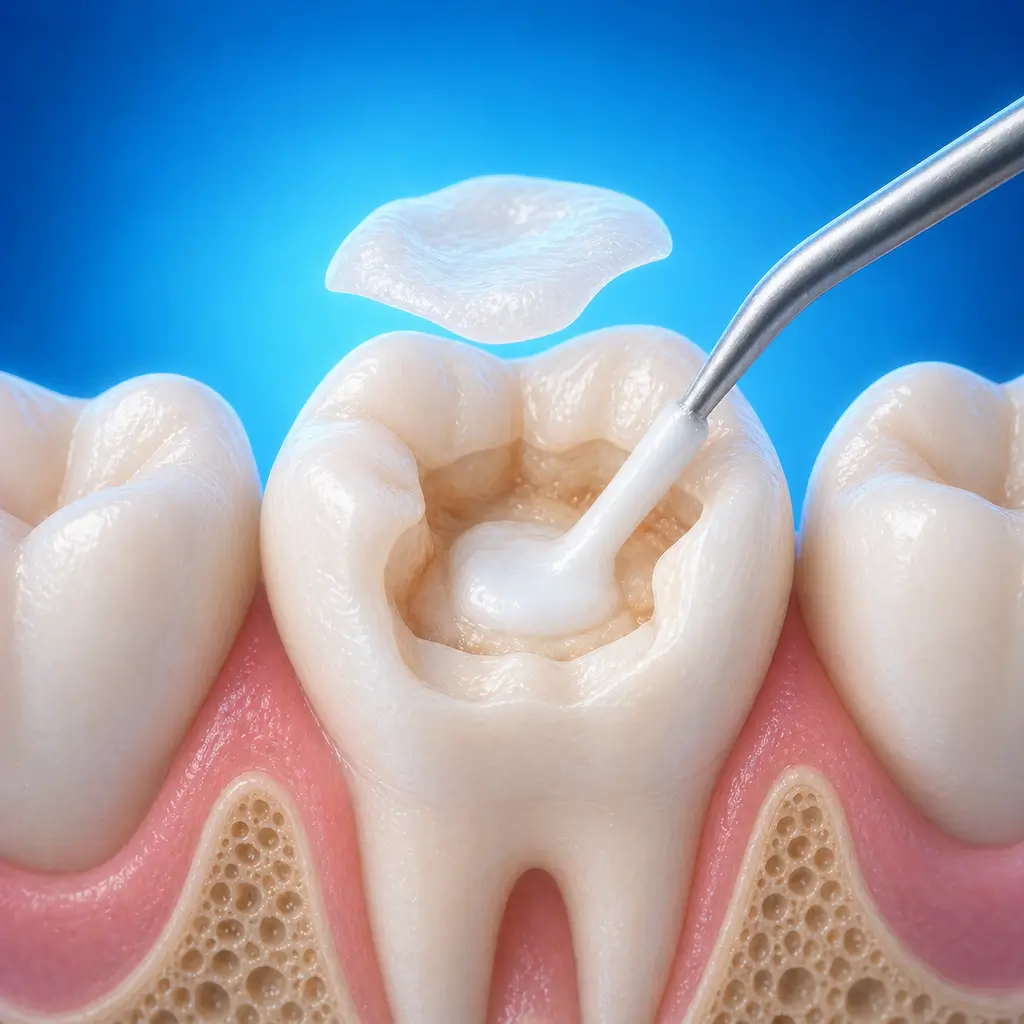
Isolation and Caries Removal
Use a rubber dam or cotton rolls to isolate saliva around the tooth. Remove carious tissue slowly with a dental bur or excavator, operating especially gently near the pulp to avoid pulp exposure.
Medication Placement
Place sedative medication near the pulp or in the cavity. Common options include zinc oxide eugenol cement, where eugenol has anesthetic, analgesic, and anti-inflammatory effects, or calcium hydroxide to promote reparative dentin formation and inhibit bacteria.
Temporary Cavity Seal
Seal the cavity with a temporary material, such as zinc oxide eugenol cement, packing it tightly to isolate external stimuli and create conditions for pulp recovery.
Sedative treatment is usually a single medication-sealing visit. The observation period is about 3 months. If asymptomatic, permanent filling is performed at follow-up; if symptoms worsen or spontaneous pain appears, root canal treatment is needed.
Cost Information
Cost Estimate for Sedative Treatment for Reversible Pulpitis
Estimated Price Range
$45 – $74
What's Included
Anesthesia, caries removal, sedative medication, and temporary sealing material; subsequent permanent filling is not included.
Before Your Visit
What to Prepare
Required Tests & Examinations
If you already have recent valid test results, bring the reports. If not, these assessments can usually be completed in China before the procedure.
Clinical examination confirming a near-pulp lesion and transient cold sensitivity
X-ray to assess caries depth and proximity to the pulp
Pulp temperature testing, such as cold testing, confirming that pain disappears after the stimulus is removed
Documents & Materials to Bring
Required to Bring
Recent dental imaging, such as periapical radiograph, bitewing, or CBCT if available
Previous dental treatment records
Medication allergy history
Record of pain triggers and duration, including cold or heat stimulus, biting pain, or spontaneous pain
Companion & Support
A dedicated companion is usually not needed. For children, older adults, pregnancy, underlying medical conditions, or when treatment may affect eating or travel afterward, having a family member accompany the patient is recommended.
After Treatment
Recovery & Follow-Up
During observation, avoid chewing very hard, very cold, or very hot foods on the affected tooth.
If spontaneous pain, night pain, or progressively worsening pain occurs, return promptly and switch to root canal treatment.
After sedative treatment succeeds and symptoms disappear completely, permanent filling is needed to complete treatment.
Follow-Up Schedule
Follow-up is usually about 3 months after treatment to assess symptoms, pulp vitality, and imaging changes. Return earlier if spontaneous pain, night pain, or biting pain occurs.
Related Conditions
Conditions This Procedure Treats
Ready to Plan Sedative Treatment for Reversible Pulpitis in China?
Let Carevia help you find the right hospital, coordinate your treatment, and arrange every detail of your medical trip.
Frequently Asked Questions
Need personalized guidance?
Our care coordinators can help you assess whether this procedure fits your situation.
Contact Us