Remineralization Therapy
Fluoride, calcium-phosphate materials, and oral risk control are used to stabilize early demineralized lesions, suitable when no obvious cavity has formed.
Remineralization therapy is used for early enamel demineralization, white spot lesions, or low-risk superficial caries. Fluoride products, calcium-phosphate materials, sugar control, and better oral hygiene promote mineral redeposition and lesion stabilization. It cannot repair a tooth that already has an obvious cavity or structural defect, so the lesion must be confirmed to still be reversible before treatment. Effectiveness depends on long-term patient cooperation and follow-up, and filling or minimally invasive restoration may be needed if the lesion progresses.
Quick Reference
Treatment
1 hours
Observation
0 mins
Est. Cost
$45 – $74
Department
Dental Public Health
Who Is This For
Is Remineralization Therapy Right for You?
Good Candidates
- Early smooth-surface enamel caries, such as white or brown spot lesions without cavity formation
- Caries prevention for caries-prone patients
May Not Be Suitable
- Teeth with an obvious formed cavity
Step-by-Step Process
How Remineralization Therapy Works
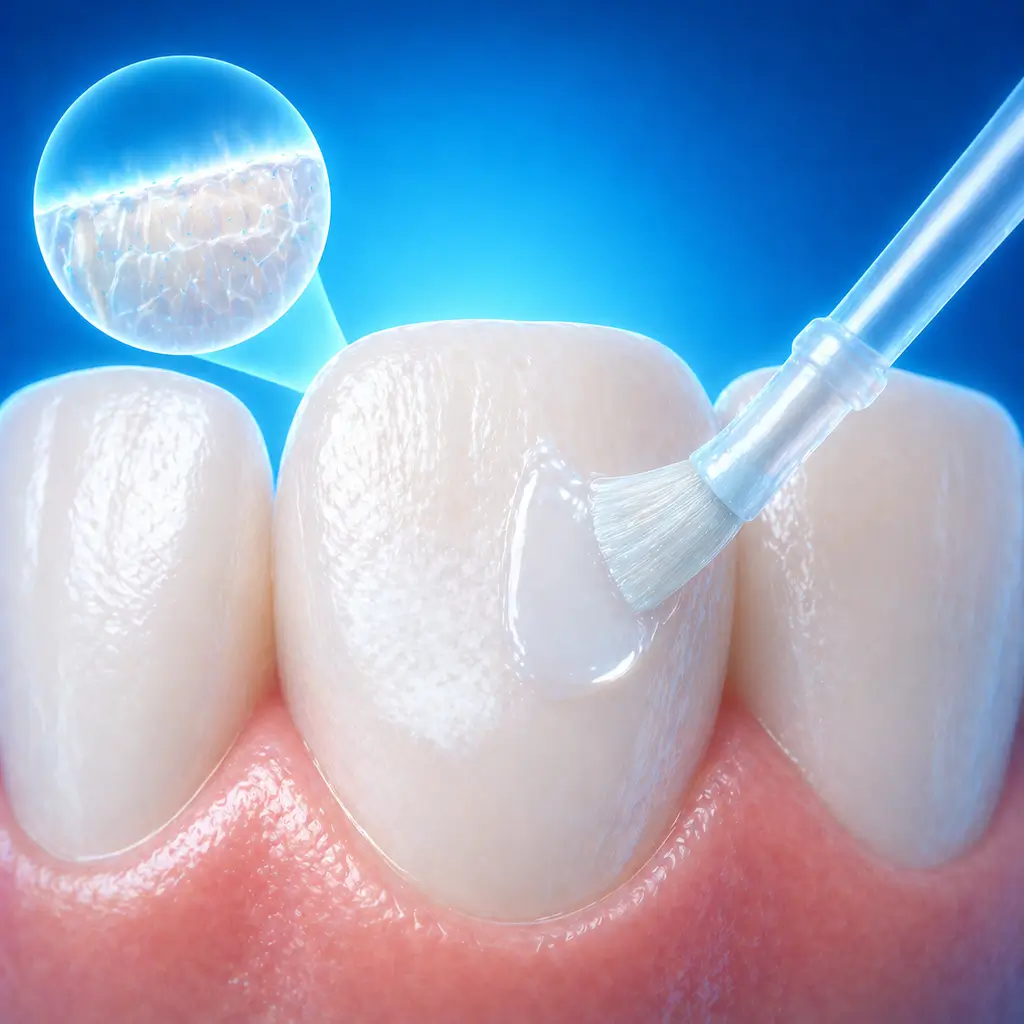
Tooth Surface Cleaning
Clean the tooth surfaces.
Anesthesia and Isolation
Use cotton rolls or a rubber dam for moisture control, prevent saliva contamination, and dry the tooth surface.
Apply Remineralization Material
Apply fluoride varnish directly to each tooth surface and allow it to set.
Postoperative Instructions
Do not eat for 2-4 hours and do not brush teeth that evening.
Usually performed regularly according to caries risk, commonly 1-2 times per year. High-risk patients may need more intensive fluoride application, remineralization management, and follow-up.
Cost Information
Cost Estimate for Remineralization Therapy
Estimated Price Range
$45 – $74
What's Included
Cost depends on the type of fluoride or calcium-phosphate material, number of applications, whether caries risk assessment or imaging is included, and follow-up visits.
Before Your Visit
What to Prepare
Required Tests & Examinations
If you already have recent valid test results, bring the reports. If not, these assessments can usually be completed in China before the procedure.
Clinical oral examination to assess tooth staining cause, demineralization degree, and enamel condition
Documents & Materials to Bring
Required to Bring
Recent oral examination records or caries risk assessment results if available
Previous fluoride application, remineralization, or caries treatment records if available
Recent dental radiographs or intraoral photos if available
Companion & Support
A dedicated companion is usually not needed. For children, older adults, pregnancy, underlying medical conditions, or when treatment may affect eating or travel afterward, having a family member accompany the patient is recommended.
After Treatment
Recovery & Follow-Up
Avoid eating, drinking, or rinsing for the instructed short period after treatment so the medication can remain in place.
Continue reducing the frequency of sugary foods and drinks, and keep brushing with fluoride toothpaste and cleaning with floss.
If white spot lesions enlarge, discoloration worsens, or a cavity forms, return promptly.
Follow-Up Schedule
Usually every 6 months. High-caries-risk patients or children may be reviewed every 3-6 months as advised by the dentist.
Related Conditions
Conditions This Procedure Treats
Ready to Plan Remineralization Therapy in China?
Let Carevia help you find the right hospital, coordinate your treatment, and arrange every detail of your medical trip.
Frequently Asked Questions
Need personalized guidance?
Our care coordinators can help you assess whether this procedure fits your situation.
Contact Us