Occlusal Splint Therapy
A removable artificial occlusal surface is worn to adjust jaw position and eliminate occlusal interference, relieving masticatory muscle tension and protecting teeth and joint structures.
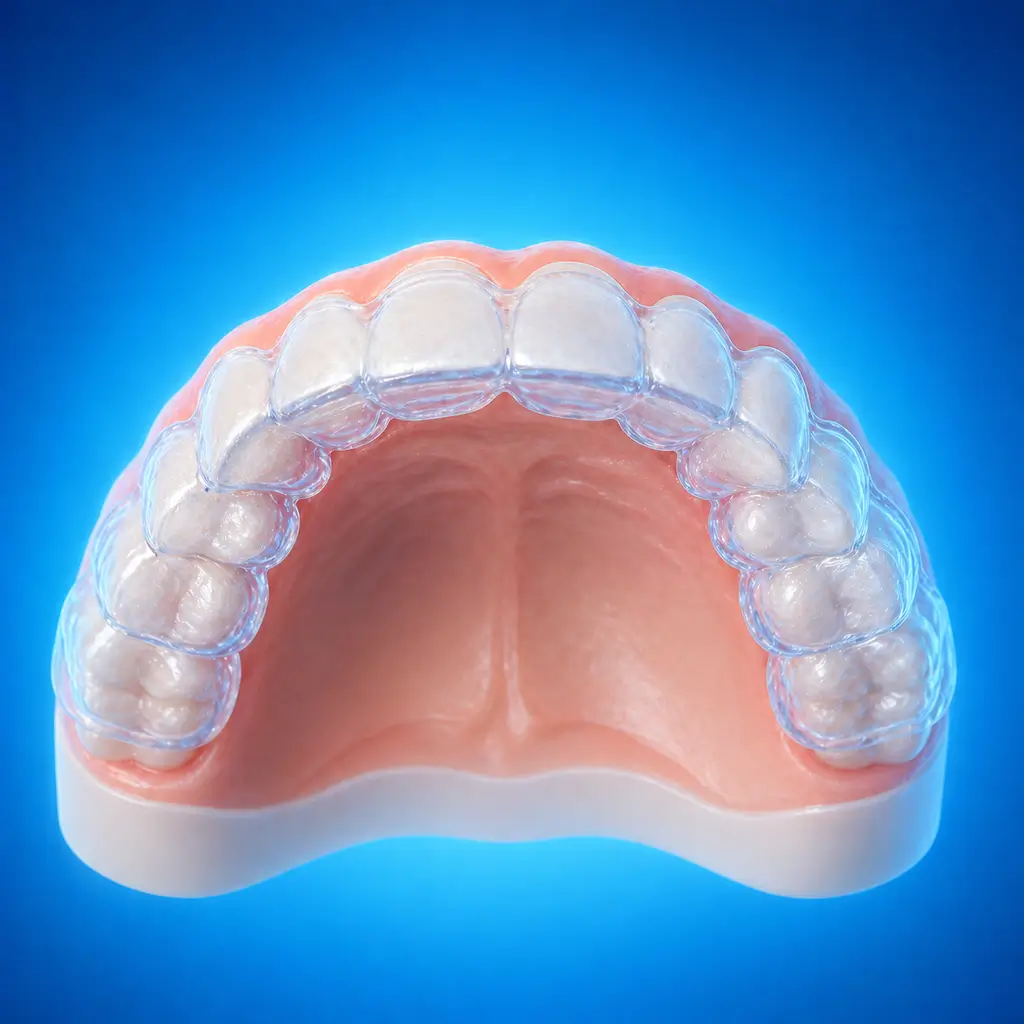
An occlusal splint is a removable oral appliance worn on the upper or lower dental arch. Its artificial occlusal surface changes how upper and lower teeth contact to achieve treatment goals. Occlusal splint therapy is a first-line conservative treatment for temporomandibular disorders and the preferred appliance for the first stage of occlusal treatment. Its main effects include stabilizing occlusion, reducing temporomandibular joint load, relaxing masticatory muscles, and protecting teeth from wear. Splint therapy is reversible and noninvasive and does not create permanent changes in the stomatognathic system.
Quick Reference
Treatment
1 hours – 1.5 hours
Observation
0 mins
Est. Cost
$100 – $300
Department
Prosthodontics
Who Is This For
Is Occlusal Splint Therapy Right for You?
Good Candidates
- Temporomandibular disorders
- Sleep bruxism
- Masticatory muscle dysfunction caused by occlusal trauma or occlusal interference
- Dentin sensitivity caused by severe tooth wear
- Diagnostic treatment before orthodontic or restorative treatment to assess the effect of occlusal change on the temporomandibular joint and masticatory muscles
- Determining occlusal position during denture restoration
May Not Be Suitable
- Uncontrolled active periodontitis
- Allergy to resin materials
- Inability to cooperate with wearing and follow-up
Step-by-Step Process
How Occlusal Splint Therapy Works
Initial Examination and Assessment
The doctor performs a comprehensive oral and temporomandibular joint examination, confirms the diagnosis, and determines whether splint therapy is suitable.
Impression and Occlusal Record
Models of the upper and lower dental arches are made, and the occlusal relationship is recorded.
Splint Fabrication and Adjustment
The splint is made, tried in, and adjusted.
Wearing Instructions
The patient is instructed on correct insertion and removal, and whether to wear it at night or all day.
Regular Follow-up and Adjustment
Follow-up is every 2-4 weeks to assess symptom improvement and adjust the splint as needed. The course is usually 3-6 months, and wearing frequency is gradually reduced after the condition stabilizes.
Gradual Discontinuation
After symptoms basically disappear, splint use can be gradually stopped.
Initial treatment usually lasts 3-6 months, with follow-up every 2-4 weeks. After treatment, whether to continue wearing depends on the condition.
Cost Information
Cost Estimate for Occlusal Splint Therapy
Estimated Price Range
$100 – $300
What's Included
Plaster or digital model acquisition, splint fabrication, adjustment, and modification.
Before Your Visit
What to Prepare
Required Tests & Examinations
If you already have recent valid test results, bring the reports. If not, these assessments can usually be completed in China before the procedure.
Clinical oral examination: assess tooth wear, occlusion, and periodontal status
Temporomandibular joint examination: palpate for joint tenderness or clicking and assess mouth opening and opening pattern
Masticatory muscle examination: palpate masseter, temporalis, and related muscles for tenderness or spasm
Imaging: temporomandibular joint MRI when needed to assess disc position and morphology
Occlusal record: take plaster or digital models and record occlusion for splint fabrication
Documents & Materials to Bring
Required to Bring
Previous temporomandibular joint, bruxism, or occlusal treatment records if available
Recent oral examination, periodontal examination, or imaging if available
Previous dental restoration, orthodontic, or implant treatment records if available
Current medication list
General medical history information
Companion & Support
A dedicated companion is usually not needed. For children, older adults, pregnancy, underlying medical conditions, or when treatment may affect eating or travel afterward, having a family member accompany the patient is recommended.
After Treatment
Recovery & Follow-Up
When first wearing the splint, foreign-body sensation, increased saliva, or unclear speech may occur and usually disappears after about 1 week of adaptation.
Wear strictly as instructed and do not stop at will or wear only when uncomfortable.
Remove and clean after each meal, brushing it with a soft toothbrush and water. Avoid hot water or alcohol.
Store the splint in a dedicated case when not wearing it to prevent deformation or damage.
Do not chew on the splint, and attend regular follow-up so the doctor can check and adjust it.
Return promptly if obvious tooth soreness, worsening joint pain, or splint damage occurs.
Follow-Up Schedule
During early treatment, follow-up every 2-4 weeks. After symptoms stabilize, review every 1-3 months. Long-term wearers should review every 6-12 months to check splint wear.
Related Conditions
Conditions This Procedure Treats
Ready to Plan Occlusal Splint Therapy in China?
Let Carevia help you find the right hospital, coordinate your treatment, and arrange every detail of your medical trip.
Frequently Asked Questions
Need personalized guidance?
Our care coordinators can help you assess whether this procedure fits your situation.
Contact Us