Corneal Transplantation
Surgery to replace diseased corneal tissue with a healthy donor cornea, the definitive treatment for severe corneal diseases and vision restoration.
Corneal transplantation replaces a patient's diseased corneal tissue with healthy donor corneal tissue. Depending on the layers affected, options include penetrating keratoplasty (PKP, full-thickness replacement), deep anterior lamellar keratoplasty (DALK, preserving host endothelium), or posterior lamellar keratoplasty (DSAEK/DMEK, replacing only the endothelium). China has a well-established corneal donation system and eye bank network, with mature transplantation techniques at first-tier city hospitals. Long-term immunosuppressive eye drops are needed postoperatively to prevent rejection.
Quick Reference
Treatment
1 hours – 2 hours
Observation
3 days – 0.2 months
Est. Cost
$3,700 – $10,000
Department
Ophthalmology
Who Is This For
Is Corneal Transplantation Right for You?
Good Candidates
- Corneal scarring severely affecting vision (post-infection, post-trauma)
- Advanced keratoconus (contact lenses ineffective)
- Corneal endothelial decompensation (bullous keratopathy)
- Corneal dystrophies
- Corneal perforation requiring emergency repair
May Not Be Suitable
- Uncontrolled active ocular infection
- Severe dry eye unable to maintain graft survival
- Absolute glaucoma (complete vision loss)
- Untreated severe ocular surface disease
Step-by-Step Process
How Corneal Transplantation Works
Donor cornea preparation
Prepare appropriately sized and thickness graft from eye bank donor cornea based on surgical technique.
Anesthesia
General anesthesia or retrobulbar block.
Diseased cornea removal
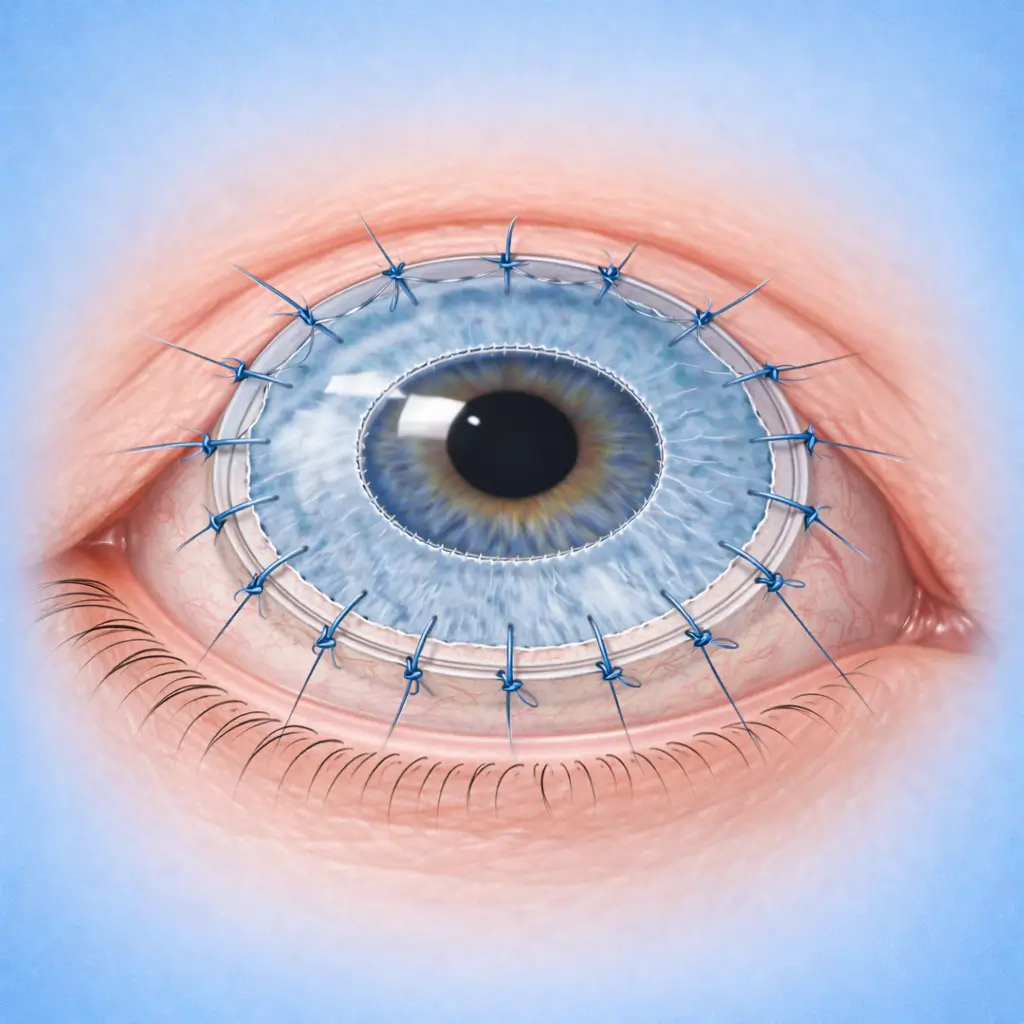
Trephine excision of the patient's diseased corneal tissue (full-thickness or partial).
Graft placement
Place the donor corneal graft onto the recipient bed.
Suture fixation
Secure graft with 10-0 nylon interrupted or continuous sutures (PKP typically 16 sutures).
Anterior chamber restoration
Inject balanced salt solution or air bubble to restore the anterior chamber and confirm wound seal.
Single procedure. Long-term follow-up and immunosuppressive medication required. Sutures typically removed progressively over 12-18 months.
Cost Information
Cost Estimate for Corneal Transplantation
Estimated Price Range
$3,700 – $10,000
What's Included
Public tier-3A International Medical Department: approximately ¥25,000-45,000 (including corneal material); premium private eye centers: approximately ¥40,000-70,000. Corneal material costs vary by source. Posterior lamellar techniques (DSAEK/DMEK) carry slightly higher fees due to technical demands.
Before Your Visit
What to Prepare
Required Tests & Examinations
If you already have recent valid test results, bring the reports. If not, these assessments can usually be completed in China before the procedure.
Slit-lamp examination
Corneal endothelial cell count
IOP measurement
B-scan ultrasound (posterior segment assessment)
Systemic workup to rule out surgical contraindications
Documents & Materials to Bring
Required to Bring
Passport and valid visa
Previous ophthalmic treatment records
Systemic health examination report
Companion & Support
Accompaniment needed before and after surgery. Family support during hospitalization.
After Treatment
Recovery & Follow-Up
Strictly protect the operated eye; wear eye shield
Visual recovery is slow, potentially months to a year
Long-term steroid and immunosuppressive eye drops (typically 1+ year)
Monitor regularly for rejection signs (redness, vision loss, pain)
Avoid rubbing eyes and impacts
Seek immediate care if sutures loosen or break
Follow-Up Schedule
Follow-up at day 1, week 1, week 2, month 1, then every 1-2 months. Long-term every 3-6 months.
Related Conditions
Conditions This Procedure Treats
Ready to Plan Corneal Transplantation in China?
Let Carevia help you find the right hospital, coordinate your treatment, and arrange every detail of your medical trip.
Frequently Asked Questions
Need personalized guidance?
Our care coordinators can help you assess whether this procedure fits your situation.
Contact Us