Keratitis
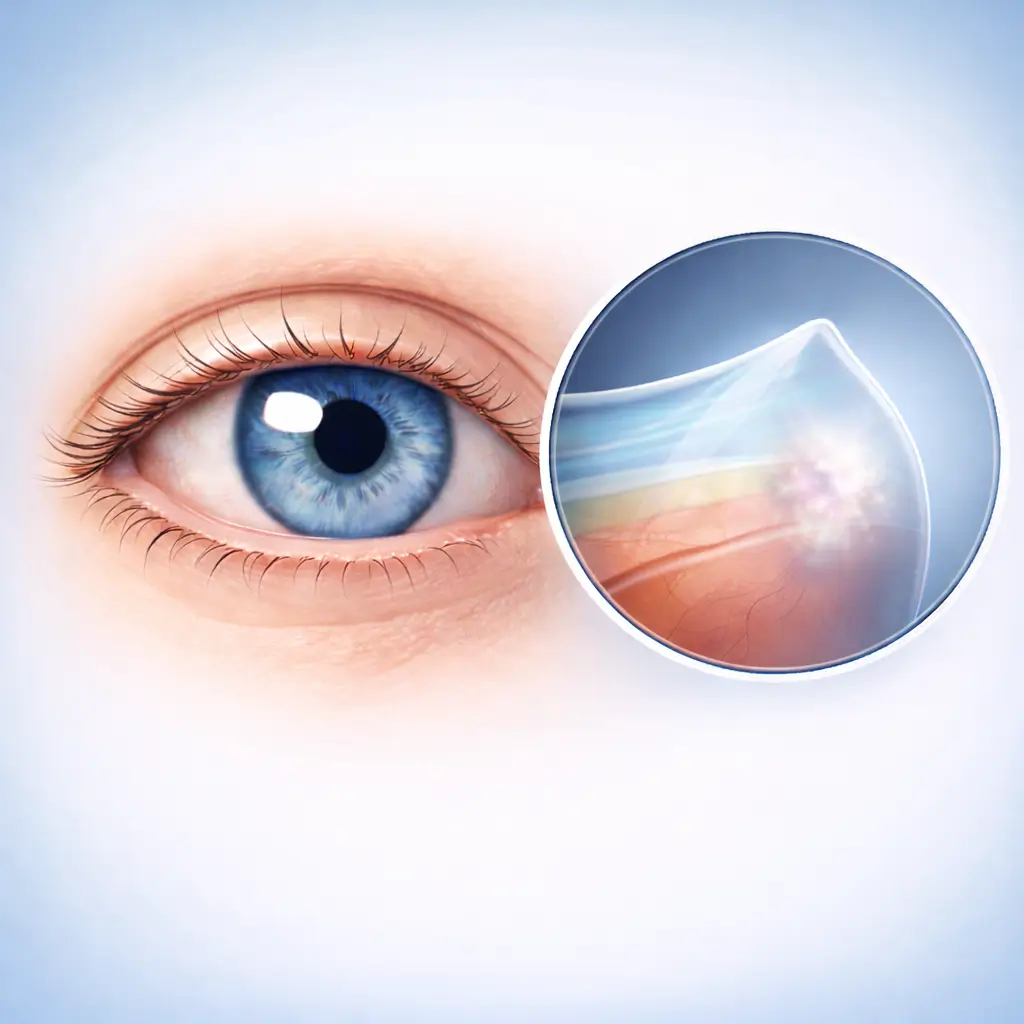
Corneal inflammation caused by infectious or non-infectious factors, potentially leading to corneal perforation and vision loss in severe cases.
Common Symptoms
Recognizing Keratitis
Focus on the most useful decision cues first: common symptoms, the patients or situations that usually prompt review, and any signs that need faster assessment.
Common Symptoms
Signs patients often notice before evaluation
Eye pain, photophobia, tearing
Vision loss
Eye redness
White corneal infiltrate or ulcer
Increased discharge
When to Seek Evaluation
Typical patients and situations that warrant review
Contact lens wearers
Post-corneal trauma
Immunocompromised individuals
Dry eye disease patients
Agricultural workers (higher fungal keratitis risk)
Eye pain with vision loss (seek care promptly)
White opacity appearing on cornea
Severe eye discomfort after contact lens wear
Urgent Assessment
Infectious keratitis can progress rapidly within days. Eye pain with vision loss requires immediate medical attention. Delayed treatment may lead to corneal perforation or even blindness.
Treatment Approaches
Treatment Directions for Keratitis
Intensive anti-infective therapy (antibiotics/antifungals/antivirals based on pathogen)
Corneal transplant for severe scarring or perforation
Supportive therapy (corneal healing promotion, inflammation control)
What usually shapes the treatment plan
Clinical Assessment
Key Assessments for Keratitis
These are the main areas doctors usually review first. If you already have relevant test or imaging reports, bring them to speed up the assessment. They are helpful but not required, and the same workup can also be completed in China.
Slit-lamp examination (assess infiltrate size and depth)
Corneal scraping for smear and culture (pathogen identification)
Confocal microscopy
Visual acuity testing
Before You Travel
How to Prepare
Record current eye drop names and frequency if using any
Discontinue contact lens wear
Do not self-administer steroid eye drops
Planning Notes
Pre-Assessment Required
Slit-lamp examination and corneal scraping culture are needed to identify the pathogen and assess infection severity for treatment planning.
Remote Pre-Assessment
Multidisciplinary Assessment
Medical History Important
Contact lens wearing history, trauma history, immunosuppressive status, and previous keratitis history are crucial for diagnosis and treatment planning.
Ready to Explore Treatment for Keratitis?
Let Carevia help you connect with the right specialists, compare hospitals, and plan your medical trip to China.