Glaucoma
A group of eye diseases characterized by optic nerve damage and visual field loss, the leading cause of irreversible blindness worldwide.
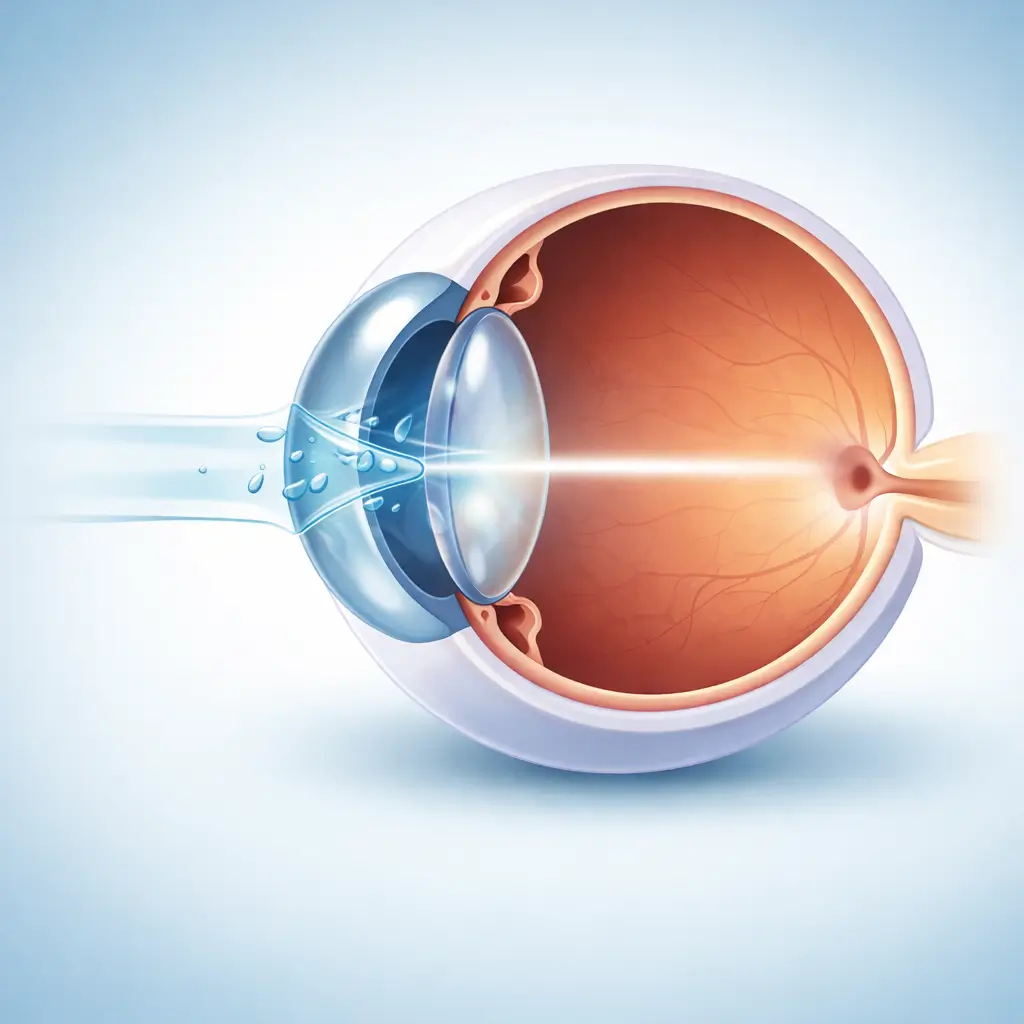
Common Symptoms
Recognizing Glaucoma
Focus on the most useful decision cues first: common symptoms, the patients or situations that usually prompt review, and any signs that need faster assessment.
Common Symptoms
Signs patients often notice before evaluation
Open-angle: often asymptomatic in early stages; tunnel vision in late stages
Acute angle-closure: sudden eye pain, headache, nausea/vomiting, rapid vision loss
Colored halos around lights
Eye pressure sensation, nasal root soreness
Chronic progression may go unnoticed; often detected during routine exams
When to Seek Evaluation
Typical patients and situations that warrant review
Adults over 40
Those with family history of glaucoma
High myopia patients (higher risk of open-angle type)
Hyperopia and small eye patients (higher risk of angle-closure type)
Diabetes patients
Long-term steroid users
Sudden eye pain with vision loss and headache (acute angle-closure, requires emergency care)
Elevated IOP detected during routine exam
Visual field defects found on testing
Family history of glaucoma requiring screening
Urgent Assessment
Acute angle-closure glaucoma is an ophthalmic emergency! Sudden severe eye pain, headache, nausea/vomiting, and rapid vision loss require immediate medical attention. Delayed treatment can cause permanent vision loss within hours to days.
Treatment Approaches
Treatment Directions for Glaucoma
Medical therapy (IOP-lowering eye drops as first-line treatment)
Laser treatment (SLT, laser peripheral iridotomy)
Surgical treatment (such as trabeculectomy, drainage-device surgery, and selected angle-based microinvasive procedures for appropriate mild-to-moderate open-angle cases)
Goal is to maintain IOP within a safe range and slow optic nerve damage progression
What usually shapes the treatment plan
Clinical Assessment
Key Assessments for Glaucoma
These are the main areas doctors usually review first. If you already have relevant test or imaging reports, bring them to speed up the assessment. They are helpful but not required, and the same workup can also be completed in China.
Intraocular pressure measurement (non-contact and Goldmann applanation tonometry)
Gonioscopy (determine open-angle or angle-closure type)
Optic nerve OCT (assess nerve fiber layer damage)
Visual field testing (evaluate functional loss)
Central corneal thickness measurement
Before You Travel
How to Prepare
Bring previous IOP records and visual field test reports
List all current IOP-lowering medications with dosing schedules
Prepare detailed medication and allergy history
Mention any family history of glaucoma
Planning Notes
Pre-Assessment Required
A comprehensive glaucoma evaluation is required, including diurnal IOP curve, gonioscopy, optic nerve OCT, visual field testing, and central corneal thickness. These determine the glaucoma type, severity, and guide individualized treatment planning.
Remote Pre-Assessment
IOP records, OCT reports, and visual field test reports can be submitted remotely for preliminary assessment and treatment direction recommendations. However, precise classification and surgical evaluation require on-site examination.
Multidisciplinary Assessment
Medical History Important
Family history of glaucoma is a significant risk factor; systemic medications (e.g., steroids) can affect IOP; cardiovascular conditions influence the choice of certain IOP-lowering drugs.
Ready to Explore Treatment for Glaucoma?
Let Carevia help you connect with the right specialists, compare hospitals, and plan your medical trip to China.