Atrial fibrillation
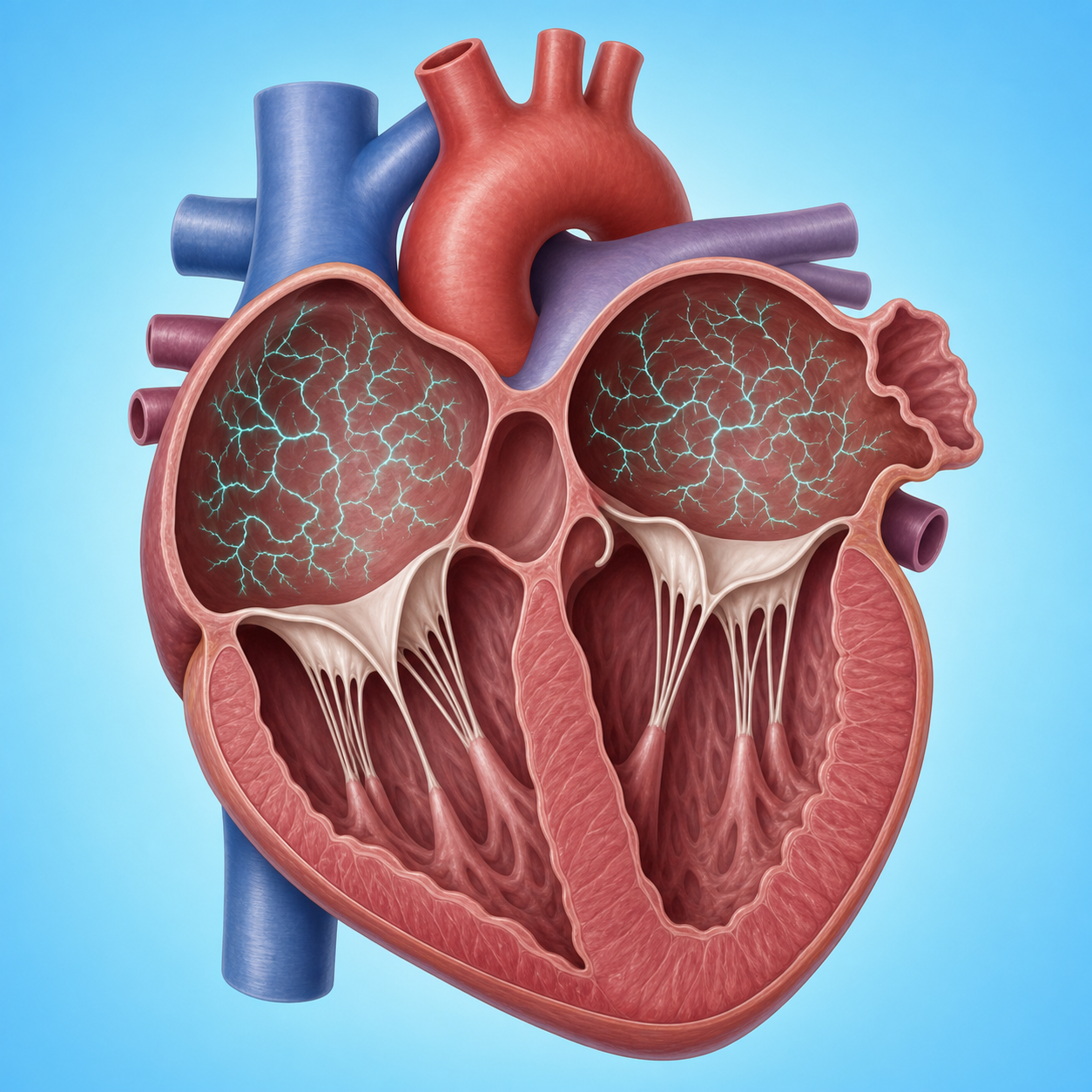
Atrial fibrillation is an arrhythmia with disorganized electrical activity and ineffective contraction of the atria. It may cause no symptoms or lead to palpitations and reduced exercise tolerance, and it increases the risks of stroke and heart failure.
Common Symptoms
Recognizing Atrial fibrillation
Focus on the most useful decision cues first: common symptoms, the patients or situations that usually prompt review, and any signs that need faster assessment.
Common Symptoms
Signs patients often notice before evaluation
Palpitations or an irregular pulse
Breathlessness, reduced exercise tolerance, fatigue, dizziness, or chest discomfort; some episodes cause no clear symptoms
When to Seek Evaluation
Typical patients and situations that warrant review
People of advancing age and those with hypertension, coronary disease, heart failure, or valvular disease
People with obesity, sleep apnea, diabetes, thyroid disease, or chronic kidney disease
Long-term heavy alcohol use, acute infection, surgery, or an electrolyte disorder may trigger or worsen atrial fibrillation
Atrial fibrillation may be intermittent and asymptomatic; a pulse that becomes regular again does not prove that the condition has disappeared
Recurrent palpitations, an irregular pulse, breathlessness, fatigue, or reduced exercise tolerance requires an electrocardiographic recording to confirm the rhythm
A wearable device repeatedly alerts for atrial fibrillation but there is not yet an interpretable electrocardiogram or clinician confirmation
Diagnosed atrial fibrillation requires assessment of stroke prevention, ventricular-rate or rhythm control, and coexisting conditions
Episodes remain frequent after treatment, medication is not tolerated, or cardioversion, ablation, or an intervention involving the left atrial appendage is being considered
Palpitations with chest pain, fainting, severe breathlessness, low blood pressure, an acute neurologic deficit, or a persistently very rapid heart rate require immediate emergency care
Urgent Assessment
If the face droops, one side of the body becomes weak, speech is difficult, balance is suddenly lost, or vision is lost, or if there is chest pain, severe breathing difficulty, fainting, shock, or a rapid unstable rhythm, call local emergency services immediately. Stroke symptoms remain an emergency even if they resolve.
Treatment Approaches
Treatment Directions for Atrial fibrillation
First address hemodynamic instability, acute heart failure, ischemia, stroke, and other emergencies and look for reversible triggers
Decide on long-term anticoagulation from the individual's stroke risk and periodically review kidney function, bleeding factors, and adherence
Choose ventricular-rate control, rhythm control, or both according to symptoms, heart rate, cardiac function, and patient preferences
Suitable patients may be assessed for drug or electrical cardioversion or catheter ablation; ablation is mainly for rhythm and symptom control and does not automatically remove an indication for anticoagulation
At the same time, manage modifiable factors such as hypertension, heart failure, obesity, sleep apnea, alcohol, and inactivity
What usually shapes the treatment plan
Clinical Assessment
Key Assessments for Atrial fibrillation
These are the main areas doctors usually review first. If you already have relevant test or imaging reports, bring them to speed up the assessment. They are helpful but not required, and the same workup can also be completed in China.
Confirm atrial fibrillation with a 12-lead or interpretable single-lead electrocardiographic recording and document episode frequency, duration, and relation to symptoms
Assess ventricular rate, blood pressure, hemodynamic stability, and signs of heart failure, myocardial ischemia, or stroke
Use a tool accepted by local guidance to assess stroke and bleeding risks and clarify anticoagulation benefit, contraindications, and modifiable bleeding factors
Check full blood count, kidney and liver function, and electrolytes, with thyroid testing and echocardiography as appropriate, and review every medication
Assess weight, sleep apnea, alcohol, physical inactivity, and other cardiovascular conditions to reduce atrial-fibrillation burden and recurrence
Before You Travel
How to Prepare
Bring reports and original images, together with a complete list of medicines, supplements, and allergies.
Record symptoms and related home measurements, and note previous reactions, pregnancy status, implanted devices, and hospital admissions.
Planning Notes
Pre-Assessment Required
Before selecting a plan, confirm the diagnosis and severity, review current medications and test results, and identify factors that change benefit or risk.
Remote Pre-Assessment
Records and symptoms can be reviewed remotely, but diagnosis or treatment decisions may still require examination, laboratory tests, imaging, or an in-person specialist assessment.
Multidisciplinary Assessment
Complex invasive or device decisions should be reviewed by the relevant multidisciplinary cardiovascular team.
Medical History Important
Cardiovascular medicines, anticoagulants, liver and kidney function, interactions, allergies, and previous adverse reactions may change the safest plan.
Ready to Explore Treatment for Atrial fibrillation?
Let Carevia help you connect with the right specialists, compare hospitals, and plan your medical trip to China.