Aortic valve stenosis
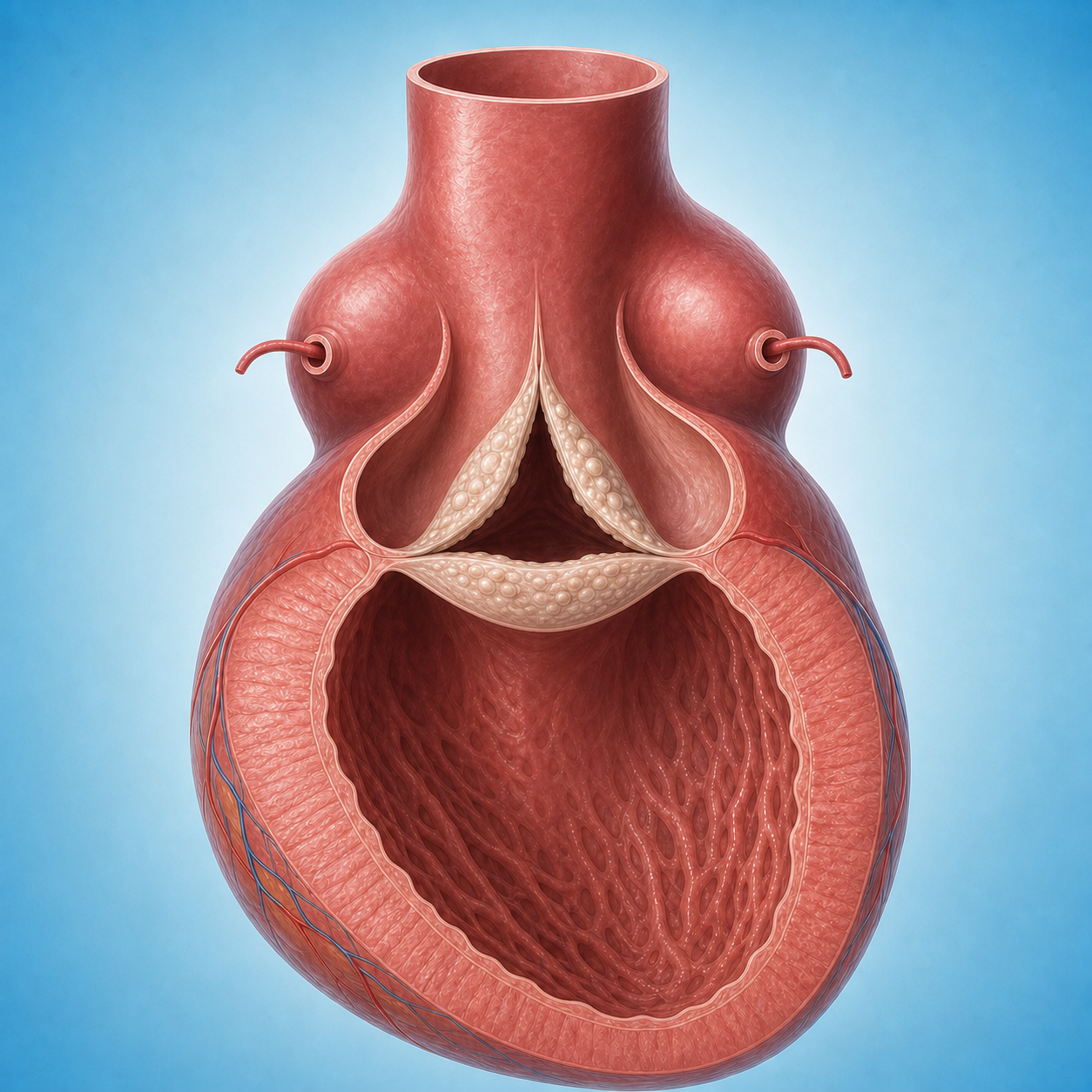
Aortic valve stenosis is a valvular disease in which restricted leaflet opening obstructs blood flow from the left ventricle into the aorta. Severity, symptoms, ventricular response, anatomy, and rate of progression together determine monitoring or intervention.
Common Symptoms
Recognizing Aortic valve stenosis
Focus on the most useful decision cues first: common symptoms, the patients or situations that usually prompt review, and any signs that need faster assessment.
Common Symptoms
Signs patients often notice before evaluation
Breathlessness or reduced exercise capacity
Exertional chest pressure, dizziness or fainting, fatigue, or swelling related to heart failure
When to Seek Evaluation
Typical patients and situations that warrant review
Older adults with degenerative calcific aortic valve disease
People with a congenital bicuspid aortic valve, who may develop stenosis earlier and also have ascending-aortic disease
People with previous rheumatic fever or rheumatic valve disease
Risk may be increased by chronic kidney disease, abnormal calcium-phosphate metabolism, or previous chest radiotherapy
Asymptomatic disease may still progress; lack of discomfort is not a reason to stop follow-up
New exertional breathlessness, chest tightness, reduced exercise tolerance, dizziness, or fainting requires assessment of valve severity and the cause of symptoms
Known aortic stenosis requires regular clinical and echocardiographic follow-up according to severity, even when there are no symptoms
Echocardiographic measurements disagree, left ventricular function declines, or disease progresses rapidly, requiring review of flow and anatomy
Confirmed severe stenosis with attributable symptoms, or guideline-defined criteria for intervention despite no symptoms, such as impaired left ventricular function, requires a heart-valve team to compare transcatheter and surgical options
Chest pain at rest, fainting, severe or rapidly worsening breathlessness, pulmonary edema, low blood pressure, or altered consciousness requires immediate emergency care
Urgent Assessment
For fainting, chest pain at rest, severe or rapidly worsening breathing difficulty, pulmonary edema, low blood pressure, confusion, or shock, seek emergency care immediately. New symptoms in known severe stenosis require immediate specialist assessment.
Treatment Approaches
Treatment Directions for Aortic valve stenosis
When there is no clear indication for intervention, follow the condition at intervals based on severity and manage hypertension, coronary disease, heart failure, and other coexisting conditions
Medication can treat symptoms or coexisting disease but cannot remove the mechanical valve obstruction or replace a necessary valve intervention
When symptoms, impaired left ventricular function, or another guideline-defined high-risk feature develops, a valve team should assess aortic valve replacement
Choose transcatheter aortic valve implantation or surgical replacement by considering age, lifespan, anatomy, risk, durability, and a lifetime treatment strategy
Treat acute pulmonary edema, shock, or another unstable presentation as an emergency and arrange rapid assessment by an experienced cardiac center
What usually shapes the treatment plan
Clinical Assessment
Key Assessments for Aortic valve stenosis
These are the main areas doctors usually review first. If you already have relevant test or imaging reports, bring them to speed up the assessment. They are helpful but not required, and the same workup can also be completed in China.
Exertional breathlessness, chest pain, fainting, and changes in activity, distinguishing truly asymptomatic people from those who have reduced activity
Review echocardiographic peak velocity, mean gradient, valve area, stroke volume, left ventricular ejection fraction (LVEF), and other valve disease
For low flow or discordant measurements, use stress echocardiography, CT (computed tomography) assessment of valve calcium, or another method as appropriate to confirm severity
When intervention is considered, assess coronary, aortic, and valve anatomy, vascular access, kidney and lung function, frailty, and surgical risk
Assess bicuspid anatomy, ascending-aortic enlargement, previous heart surgery, expected lifespan, and future reintervention needs
Before You Travel
How to Prepare
Bring reports and original images, together with a complete list of medicines, supplements, and allergies.
Record symptoms and related home measurements, and note previous reactions, pregnancy status, implanted devices, and hospital admissions.
Planning Notes
Pre-Assessment Required
Before selecting a plan, confirm the diagnosis and severity, review current medications and test results, and identify factors that change benefit or risk.
Remote Pre-Assessment
Records and symptoms can be reviewed remotely, but diagnosis or treatment decisions may still require examination, laboratory tests, imaging, or an in-person specialist assessment.
Multidisciplinary Assessment
Complex invasive or device decisions should be reviewed by the relevant multidisciplinary cardiovascular team.
Medical History Important
Cardiovascular medicines, anticoagulants, liver and kidney function, interactions, allergies, and previous adverse reactions may change the safest plan.
Ready to Explore Treatment for Aortic valve stenosis?
Let Carevia help you connect with the right specialists, compare hospitals, and plan your medical trip to China.