Tooth Desensitization Treatment
For brief sensitivity to cold, heat, sour, or sweet stimuli caused by exposed dentin, tubules are sealed and causes are managed after caries, cracks, and pulpitis are ruled out.
Tooth desensitization treats brief sharp pain caused by exposed dentinal tubules. Common causes include gingival recession, cervical wedge-shaped defects, wear, acid erosion, post-periodontal treatment sensitivity, or post-whitening sensitivity. Before treatment, caries, cracked teeth, pulpitis, and restoration problems must be ruled out. Common methods include desensitizing toothpaste, local fluoride or sealants, resin coverage, laser treatment, or periodontal/restorative treatment targeting the cause. If pain is persistent, spontaneous, or occurs at night, pulp status should be reassessed.
Quick Reference
Treatment
1 hours
Observation
1 days
Est. Cost
$7 – $15
Department
Endodontics
Who Is This For
Is Tooth Desensitization Treatment Right for You?
Good Candidates
- Transient soreness or pain when teeth contact cold, hot, sour, or sweet foods or drinks
- Brief sharp pain when brushing, breathing cold air, or biting hard objects
- Sensitivity caused by exposed roots from gingival recession
- Sensitivity caused by enamel wear or wedge-shaped defects that do not reach the pulp
- Temporary sensitivity after basic periodontal treatment, scaling and root planing, tooth whitening, or orthodontic treatment
May Not Be Suitable
- Obvious cavities requiring filling treatment
- Tooth defects extending deep to the pulp and requiring root canal treatment
- Cracked tooth, pulpitis, or periapical periodontitis that must be treated first
- Large dentin defects that cannot be relieved by desensitization
Step-by-Step Process
How Tooth Desensitization Treatment Works
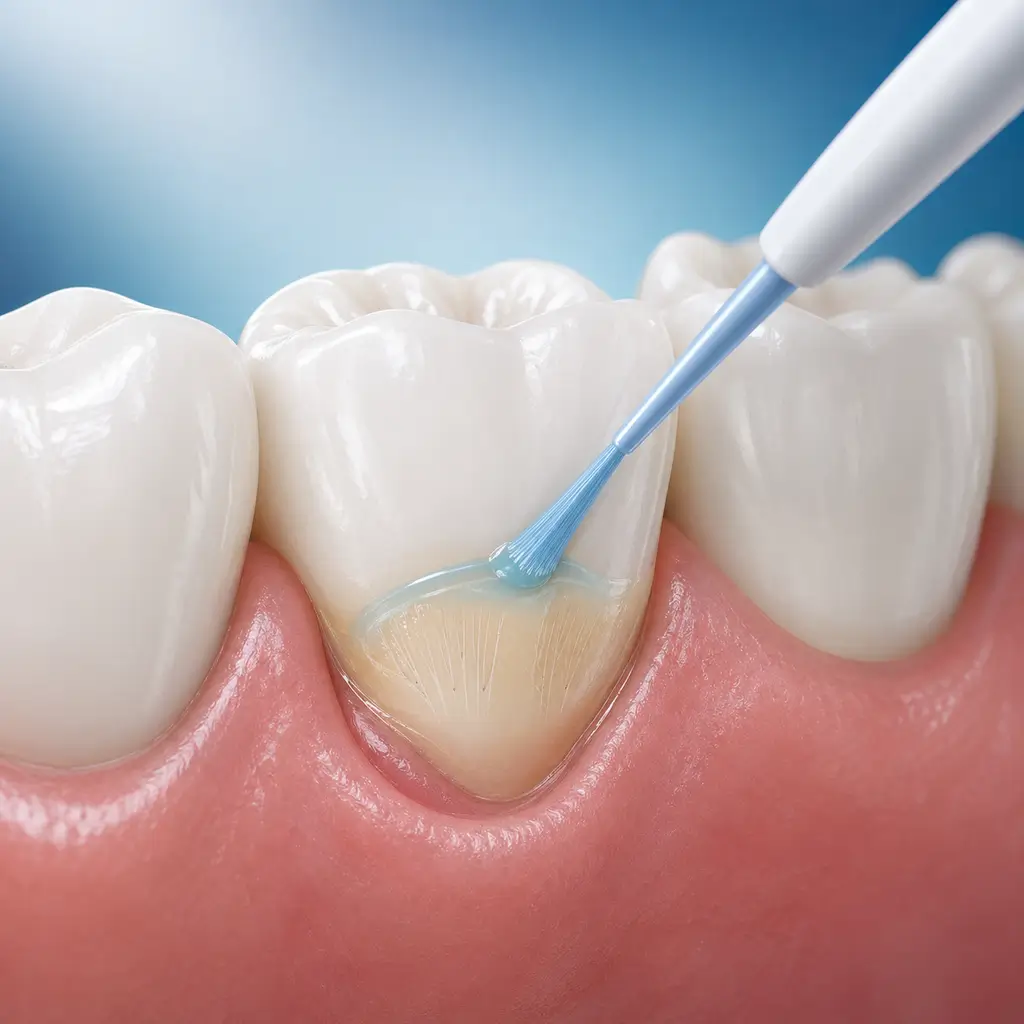
Tooth Surface Cleaning
Clean and dry the sensitive area and control moisture.
Apply Desensitizing Material
Use a cotton pellet dipped in desensitizing agent to rub the sensitive area repeatedly for 1-2 minutes.
Defect Restoration
If sensitivity is accompanied by a tooth defect, the defect area must first be cleaned and then restored with composite resin or glass ionomer filling.
One treatment is completed, followed by self-use of desensitizing toothpaste.
Cost Information
Cost Estimate for Tooth Desensitization Treatment
Estimated Price Range
$7 – $15
What's Included
Cost is affected by the type of desensitizing agent, number of treated teeth, whether resin sealing or laser assistance is needed, and whether cervical defects are treated at the same time.
Before Your Visit
What to Prepare
Required Tests & Examinations
If you already have recent valid test results, bring the reports. If not, these assessments can usually be completed in China before the procedure.
Clarify sensitivity triggers, such as cold, heat, sour, sweet, brushing, or biting hard objects, plus attack frequency and duration
Clinical oral examination with probing and temperature testing for localization
X-ray to assess tooth wear, gingival recession, and to rule out cracks, deep caries, or other lesions
Pulp vitality testing when needed to rule out pulp-origin disease
Documents & Materials to Bring
Required to Bring
Recent dental radiographs, periodontal examination, or pulp vitality test records if available
Previous desensitization, filling, periodontal, or whitening treatment records
Record of sensitivity triggers and duration, including cold, heat, sour, sweet, brushing, or biting
Medication allergy history
General medical history information
Companion & Support
A dedicated companion is usually not needed. For children, older adults, pregnancy, underlying medical conditions, or when treatment may affect eating or travel afterward, having a family member accompany the patient is recommended.
After Treatment
Recovery & Follow-Up
Avoid very cold, hot, sour, or sweet foods to reduce tooth irritation.
Switch to a soft-bristled toothbrush, learn the Bass brushing technique, and avoid forceful horizontal brushing.
Follow-Up Schedule
Follow-up is usually 3-6 months after treatment. Return earlier if sensitivity continues to worsen or spontaneous or night pain occurs, and reassess pulp status.
Related Conditions
Conditions This Procedure Treats
Ready to Plan Tooth Desensitization Treatment in China?
Let Carevia help you find the right hospital, coordinate your treatment, and arrange every detail of your medical trip.
Frequently Asked Questions
Need personalized guidance?
Our care coordinators can help you assess whether this procedure fits your situation.
Contact Us