Tooth sensitivity
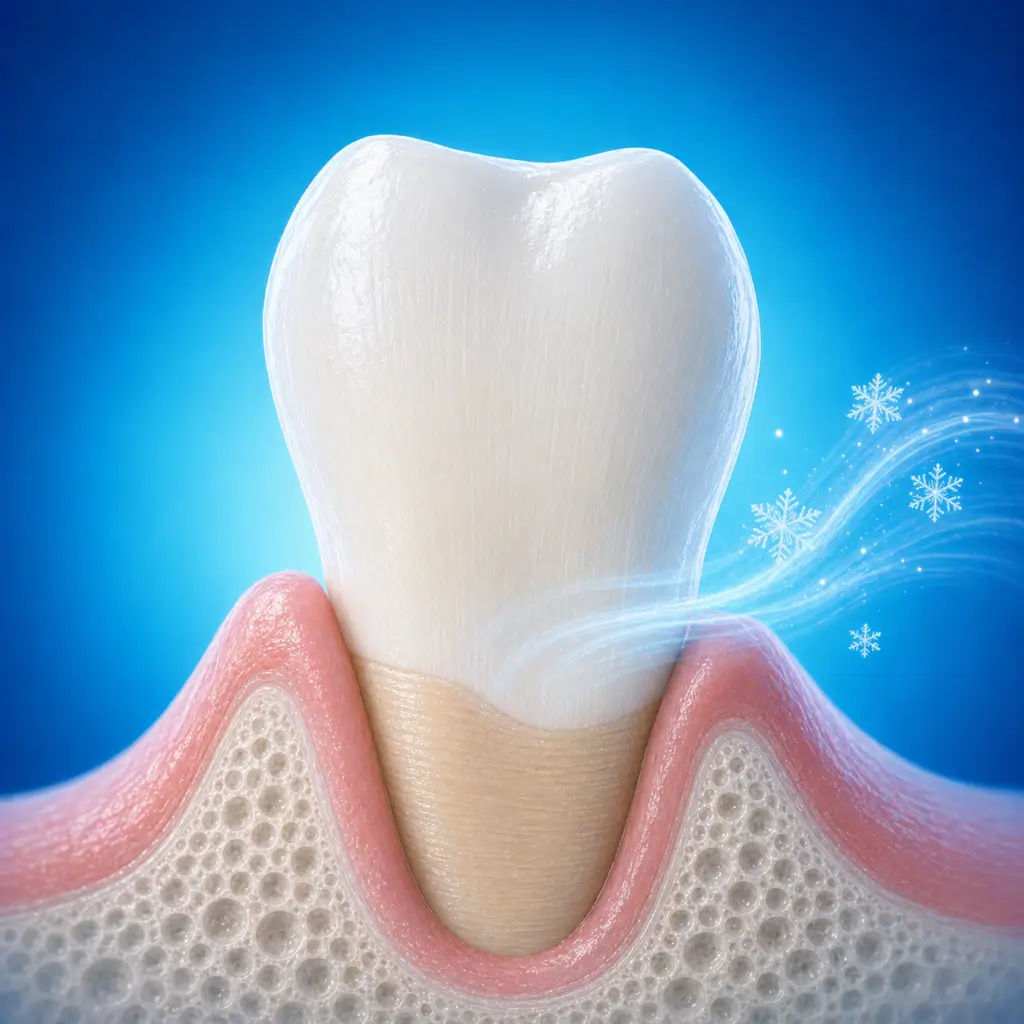
Tooth sensitivity refers to short, sharp tooth pain or discomfort when exposed dentin is stimulated by temperature, chemical, mechanical, or similar triggers. Pain disappears quickly after the stimulus is removed. It is not an independent disease but a shared manifestation of multiple oral conditions.
Common Symptoms
Recognizing Tooth sensitivity
Focus on the most useful decision cues first: common symptoms, the patients or situations that usually prompt review, and any signs that need faster assessment.
Common Symptoms
Signs patients often notice before evaluation
Brief sharp pain after stimulation: transient sharp stinging or soreness occurs when teeth are exposed to cold such as ice water or cold air, heat such as hot drinks, sour foods such as fruit or vinegar, sweet foods such as candy, or mechanical stimuli such as brushing or light probing
Clear pain localization: the patient can accurately identify the sensitive tooth or area, unlike the radiating pain of pulpitis
Pain disappears after the stimulus is removed: pain resolves within seconds, with no spontaneous pain or night pain. This is the key distinction from pulpitis
When to Seek Evaluation
Typical patients and situations that warrant review
Common in adults
Short, sharp tooth pain occurs when eating cold, hot, sour, or sweet foods or inhaling cold air, and disappears immediately after the stimulus is removed
Stinging pain in a specific tooth or area during brushing or flossing
Sensitivity affects daily eating and oral cleaning
Treatment Approaches
Treatment Directions for Tooth sensitivity
Correct harmful habits
Use desensitizing toothpaste
Apply desensitizing agents
Restore larger tooth defects with fillings
Severe cases with pulpitis require root canal treatment
What usually shapes the treatment plan
Clinical Assessment
Key Assessments for Tooth sensitivity
These are the main areas doctors usually review first. If you already have relevant test or imaging reports, bring them to speed up the assessment. They are helpful but not required, and the same workup can also be completed in China.
Identify and assess causes of dentin exposure, such as wear, acid erosion, wedge-shaped defects, gingival recession, or cracks
Whether pulp disease is also present
Before You Travel
How to Prepare
Prepare previous oral treatment records and recent imaging in advance (periapical radiographs, panoramic radiographs, or CBCT, if available)
List systemic diseases, allergy history, and current medications, especially anticoagulants, antidiabetic drugs, bisphosphonates, or immunosuppressants
Keep the mouth clean on the day of the visit; follow hospital fasting instructions if surgery or sedation is involved
Planning Notes
Pre-Assessment Required
An oral specialist should perform an intraoral examination and, as appropriate, periodontal probing, pulp vitality testing, periapical radiographs, panoramic radiographs, or CBCT before determining the treatment plan. Key checks include specialist oral examination for tooth defects; probing suspicious areas lightly with a sharp explorer to see whether typical pain is triggered; cold water or small ice-stick temperature testing compared with the contralateral same tooth; percussion to exclude periapical disease; and selective bite testing with articulating paper or cotton rolls to check for cracked teeth. Bring specialist oral examination, pulp vitality testing, and imaging records if available.
Remote Pre-Assessment
Intraoral photos, the course of pain/swelling, previous dental records, and imaging can be submitted remotely for preliminary triage, urgency assessment, and an estimated treatment direction. Final diagnosis still requires in-person intraoral examination and necessary imaging.
Multidisciplinary Assessment
Medical History Important
Previous dental treatment history, imaging, allergy history, anticoagulant/bisphosphonate use, diabetes, and immune-related diseases can affect diagnosis, anesthesia, bleeding and infection risk, and treatment selection.
Ready to Explore Treatment for Tooth sensitivity?
Let Carevia help you connect with the right specialists, compare hospitals, and plan your medical trip to China.