Vital Pulpotomy
Diseased coronal pulp is removed while vital root pulp is preserved. It is often used for immature permanent teeth or selected pulp exposure cases.
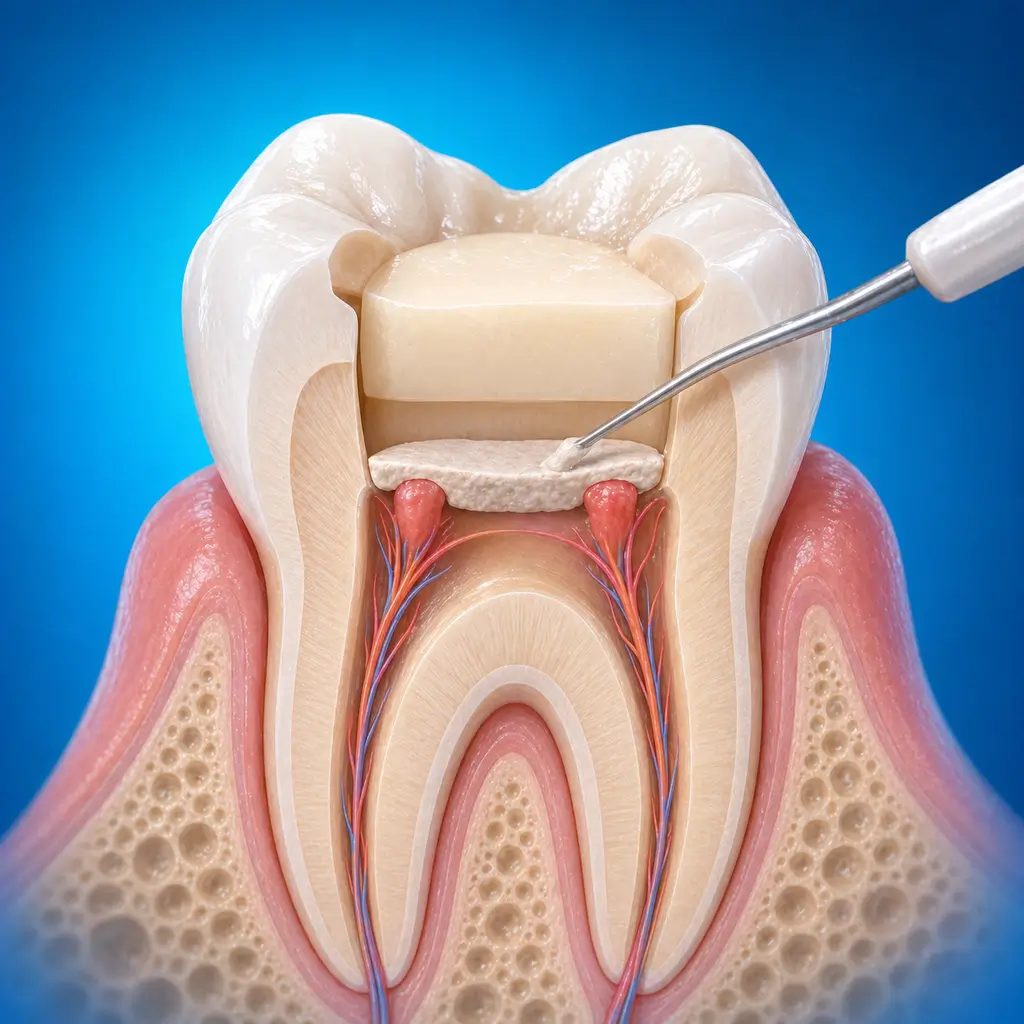
Vital pulpotomy removes infected or irritated coronal pulp under strict moisture control and sterile conditions, preserves healthy root pulp, and covers it with a biocompatible material to maintain pulp vitality. It is often used for immature permanent teeth with deep caries pulp exposure, traumatic pulp exposure, or selected reversible pulpitis scenarios. The goals are to promote continued root development and maintain tooth sensation and defense functions. Regular follow-up is needed to assess pulp vitality, root apex development, and whether periapical disease appears.
Quick Reference
Treatment
1 hours – 2 hours
Observation
0 mins – 1 days
Est. Cost
$74 – $200
Department
Pediatric Dentistry
Who Is This For
Is Vital Pulpotomy Right for You?
Good Candidates
- Immature permanent teeth with incomplete root development, pulp exposure from deep caries or trauma but healthy root pulp, exposure diameter greater than 0.5 mm, no persistent severe pain, no history of spontaneous pain, and no periapical lesion on X-ray
May Not Be Suitable
- Extensive pulp necrosis or existing periapical lesion
- Permanent teeth with fully developed roots, except special indications
- Systemic disease with impaired immune function that may affect pulp repair
Step-by-Step Process
How Vital Pulpotomy Works
Anesthesia and Isolation
Local anesthesia is given, and the affected tooth is isolated with a rubber dam to prevent saliva contamination and ensure strict aseptic technique.
Caries Removal and Access Opening
A round bur or excavator is used to remove decayed tissue, fully remove the pulp chamber roof, and expose the pulp chamber.
Coronal Pulp Removal
A sharp excavator or sterile high-speed round bur is used to cut the coronal pulp flush with the canal orifices, extending 1-2 mm below the orifices, and thoroughly remove infected coronal pulp without leaving residual pulp tissue in the chamber.
Hemostasis and Disinfection
The cavity is irrigated with saline and a small cotton pellet is used for pressure hemostasis. If bleeding is heavy, a saline-moistened cotton pellet may be pressed gently against the cut surface; bleeding should stop within 5 minutes.
Pulp Management Decision
If bleeding cannot be controlled, the dentist may cut pulp deeper depending on the situation or switch to root canal treatment.
Pulp Capping and Filling
A pulp-capping agent about 1 mm thick is applied to the pulp cut surface. Common materials include calcium hydroxide, MTA, or bioactive materials such as iRoot BP Plus.
Temporary Seal and Follow-up
The cavity is finally sealed with temporary material. The patient is observed for 2-4 weeks before permanent filling.
The surgery is completed in one visit. Permanent filling is performed at a follow-up visit 2-4 weeks later. Regular follow-up is needed to monitor root pulp status.
Cost Information
Cost Estimate for Vital Pulpotomy
Estimated Price Range
$74 – $200
What's Included
Anesthesia, material fees such as traditional calcium hydroxide or bioactive ceramics, and procedure fees such as microscope-assisted treatment, vital pulpotomy, and simple filling.
Before Your Visit
What to Prepare
Required Tests & Examinations
If you already have recent valid test results, bring the reports. If not, these assessments can usually be completed in China before the procedure.
X-ray to rule out periapical lesions and root resorption and to assess root development
Dental specialty examination and pulp vitality testing to determine pulp status
Detailed medical history
Documents & Materials to Bring
Required to Bring
Recent dental imaging, such as periapical radiograph or CBCT if available
Previous dental treatment records
Record of dental trauma timing and management if applicable
Medication allergy history
General medical history information
Companion & Support
An adult companion is recommended for postoperative pickup and observation. For general anesthesia, sedation, larger procedures, child patients, or patients with limited mobility, arrange accompaniment according to hospital requirements.
After Treatment
Recovery & Follow-Up
Mild soreness or swelling sensation may occur for 1-2 days after surgery and is normal. Avoid biting hard objects and avoid cold, hot, sour, or sweet irritating foods.
Two hours after surgery, warm or cool liquid food may be eaten. Avoid chewing hard objects on the affected side for 2 weeks.
Maintain oral hygiene. For child patients, parents should supervise oral hygiene and use fluoride toothpaste to prevent secondary caries.
If clinical symptoms persist or worsen, return promptly to rule out infection.
Follow-Up Schedule
Regular follow-up at 1 month, 3 months, 6 months, 1 year, and 2 years after surgery, with X-rays to assess root development.
Related Conditions
Conditions This Procedure Treats
Ready to Plan Vital Pulpotomy in China?
Let Carevia help you find the right hospital, coordinate your treatment, and arrange every detail of your medical trip.
Frequently Asked Questions
Need personalized guidance?
Our care coordinators can help you assess whether this procedure fits your situation.
Contact Us