Posterior Scleral Reinforcement
A selective surgery that may be considered in a small subset of specialist-evaluated progressive high-myopia patients to slow axial elongation.
Posterior scleral reinforcement involves fixing biological material (donor sclera, fascia lata, or synthetic material) to the external surface of the posterior sclera in an attempt to slow axial elongation. It is mainly discussed for a small subset of progressive pathological myopia patients, especially adolescents with rapidly increasing axial length. The procedure cannot reverse existing fundus pathology, and current studies suggest possible benefit in slowing progression in some patients, but evidence quality, long-term safety, and ideal indications still require cautious specialist appraisal. It is therefore better regarded as a selective option rather than routine standard treatment.
Quick Reference
Treatment
30 mins – 1 hours
Observation
1 days – 3 days
Est. Cost
$1,800 – $4,800
Department
Ophthalmology
Who Is This For
Is Posterior Scleral Reinforcement Right for You?
Good Candidates
- Specialist-selected progressive high myopia (>0.5D/year increase or >0.3mm/year axial growth)
- Adolescents with rapidly increasing axial length
- Early fundus changes (posterior staphyloma) already present
May Not Be Suitable
- Stable axial length no longer growing (surgery unnecessary)
- Severe posterior staphyloma making surgery technically difficult
- Active ocular inflammation
Step-by-Step Process
How Posterior Scleral Reinforcement Works
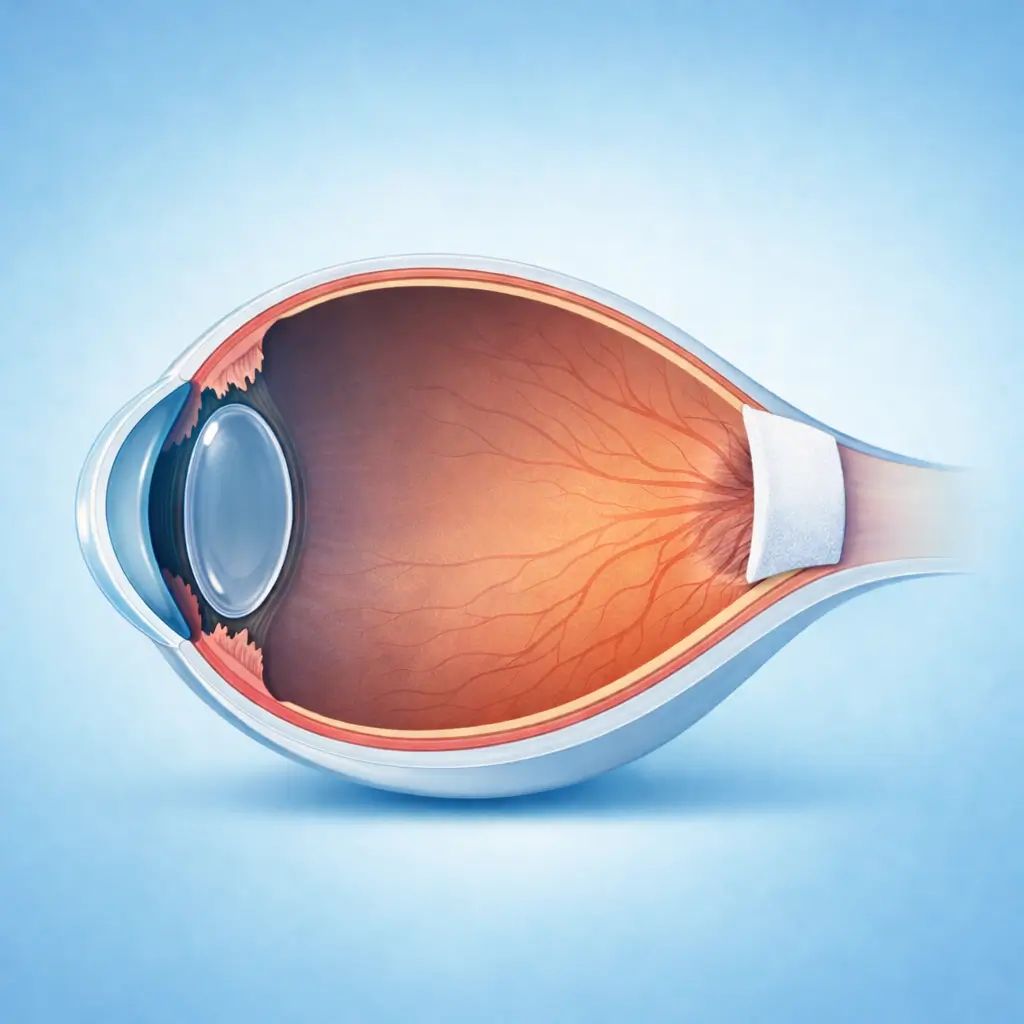
Anesthesia
General anesthesia (adolescents) or retrobulbar block (adults).
Scleral exposure
Incise conjunctiva, dissect and expose posterior sclera.
Reinforcement material placement
Place pre-processed reinforcement material (scleral strips or fascia lata) around the posterior pole.
Fixation
Suture the reinforcement material to the scleral surface.
Closure
Reposition extraocular muscles, close conjunctiva.
Single procedure. Long-term axial length monitoring required postoperatively.
Cost Information
Cost Estimate for Posterior Scleral Reinforcement
Estimated Price Range
$1,800 – $4,800
What's Included
Public tier-3A International Medical Department: approximately ¥12,000-20,000 per eye (including hospitalization); premium private eye centers: approximately ¥18,000-32,000 per eye. Reinforcement material costs vary by type.
Before Your Visit
What to Prepare
Required Tests & Examinations
If you already have recent valid test results, bring the reports. If not, these assessments can usually be completed in China before the procedure.
Axial length measurement (minimum 6 months of serial data showing growth)
Cycloplegic refraction
Fundus examination
B-scan ultrasound (assess posterior staphyloma)
OCT examination
Documents & Materials to Bring
Required to Bring
Passport and valid visa
Axial length and prescription change records from past 1-2 years
Previous fundus examination reports
Companion & Support
Accompaniment needed on surgery day and initial recovery. Parental presence required throughout for adolescent patients.
After Treatment
Recovery & Follow-Up
Mild discomfort with eye movement for 1-2 weeks postoperatively
Avoid strenuous exercise for 1 month
Use prescribed anti-inflammatory eye drops
Continue monitoring axial length to assess surgical effectiveness
Maintain good visual habits and increase outdoor activities
Follow-Up Schedule
Follow-up at day 1, week 1, month 1, month 3. Then every 6 months for axial length and fundus monitoring.
Related Conditions
Conditions This Procedure Treats
Ready to Plan Posterior Scleral Reinforcement in China?
Let Carevia help you find the right hospital, coordinate your treatment, and arrange every detail of your medical trip.
Frequently Asked Questions
Need personalized guidance?
Our care coordinators can help you assess whether this procedure fits your situation.
Contact Us