LipiFlow Thermal Pulsation Treatment
An optional self-pay thermal pulsation device treatment for selected meibomian gland dysfunction patients, using heat and pulsatile pressure to help clear gland obstruction.
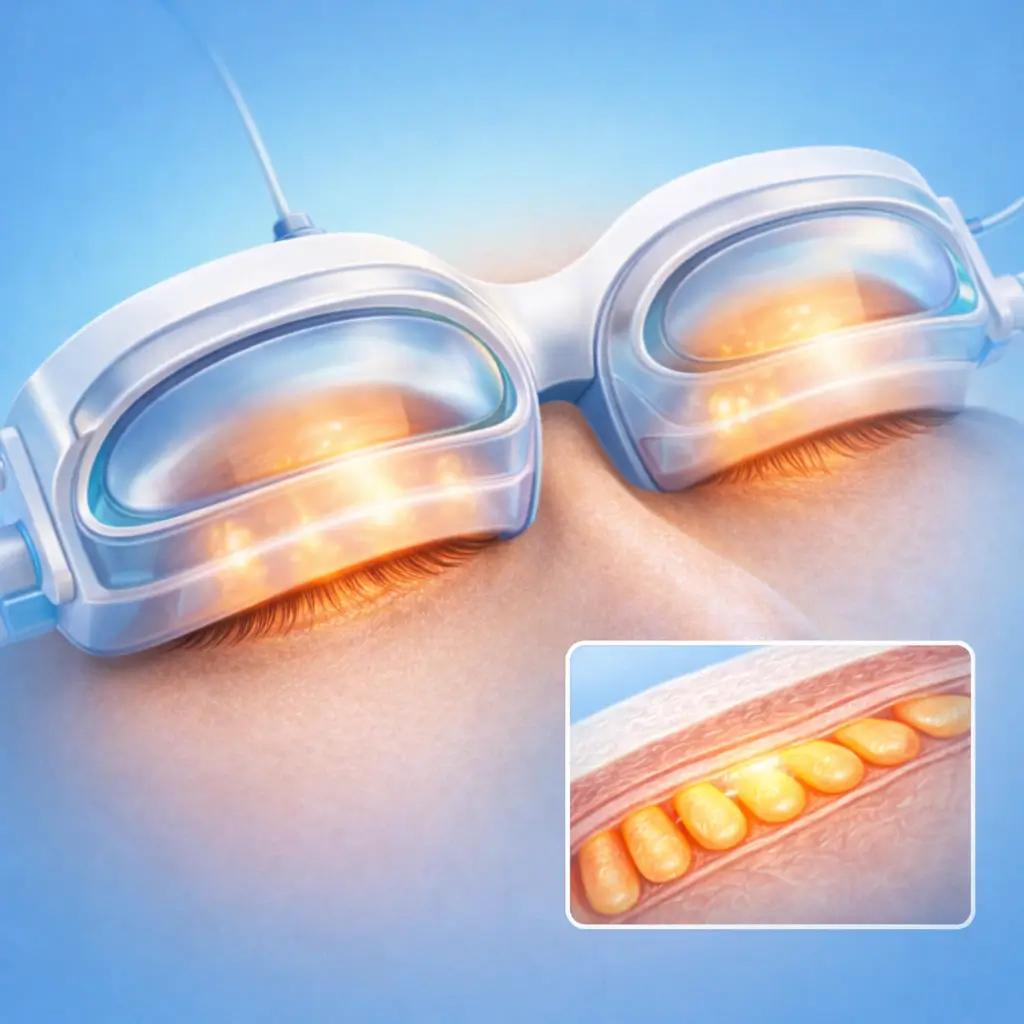
LipiFlow is a thermal pulsation system developed by TearScience (Johnson & Johnson Vision) and may be used as an adjunctive device-based treatment for evaporative dry eye driven by meibomian gland dysfunction (MGD). It is not standard first-line care for all dry eye patients. The system uses a single-use Ocular Activator with an insulated inner vault and an outer heating component, delivering controlled heat and pulsatile pressure over about 12 minutes to warm and help express obstructed meibomian glands. Some studies suggest LipiFlow can improve gland secretion and symptoms in selected patients, but durability and magnitude of benefit vary substantially between individuals. It should therefore be assessed alongside stepped-care measures such as artificial tears, warm compresses, lid hygiene, and anti-inflammatory treatment. Because of device and disposable costs, LipiFlow is more often offered as an optional self-pay service in some premium private ophthalmology centers.
Quick Reference
Treatment
12 mins
Observation
0 mins
Est. Cost
$700 – $1,500
Department
Ophthalmology
Who Is This For
Is LipiFlow Thermal Pulsation Treatment Right for You?
Good Candidates
- MGD-driven evaporative dry eye disease
- Thin lipid layer and shortened tear break-up time (BUT <10 seconds)
- Dependence on frequent artificial tears with inadequate symptom control
- Abnormal meibomian gland expression scores with turbid or thickened secretions
- Patients who are not candidates for or prefer to avoid IPL (e.g., darker skin types, photosensitivity)
May Not Be Suitable
- Ocular surgery within the past 3 months (including cataract or refractive surgery)
- Active ocular infection, corneal ulcer, or severe corneal pathology
- Eyelid anatomical abnormalities (severe ectropion or entropion) preventing correct activator placement
- Prior penetrating keratoplasty or Descemet membrane endothelial keratoplasty (fragile endothelium)
- Known allergy to activator materials
Step-by-Step Process
How LipiFlow Thermal Pulsation Treatment Works
Assessment and Topical Anesthesia
The clinician reviews meibography and dry eye assessment data. Topical anesthetic drops (proparacaine) are instilled bilaterally to ensure a comfortable, pain-free procedure.
Activator Placement
The sterile single-use Ocular Activator is carefully placed: the inner insulated vault is positioned within the conjunctival fornix against the globe, and the outer heating element rests against the outer lid skin. Correct apposition and coverage of the full meibomian gland zone is confirmed. Both eyes are set up simultaneously.
Thermal Pulsation Program
The LipiFlow console is started. The 12-minute automated program maintains 42.5°C continuous heating of upper and lower lids while delivering intermittent pneumatic pulsatile pressure from outside in, simulating an evidence-based massage and expression pattern. Liquefied abnormal secretions are expressed through the gland orifices. The patient experiences gentle warmth and mild pressure and does not need to perform any actions.
Activator Removal and Post-Treatment Assessment
After 12 minutes, the activators are gently removed and the ocular surface is rinsed. Slit-lamp inspection confirms no adverse changes at the lid margin or cornea. Lubricating drops are instilled and aftercare instructions are provided before discharge.
A single bilateral session lasting about 12 minutes. Some patients experience symptom improvement for several months up to around a year; retreatment, when considered, should follow reassessment.
Cost Information
Cost Estimate for LipiFlow Thermal Pulsation Treatment
Estimated Price Range
$700 – $1,500
What's Included
Public tier-3A hospitals (relatively few have LipiFlow equipment): approximately ¥5,000-7,000 per session for both eyes; premium private eye centers: approximately ¥7,000-10,000 per session for both eyes, typically including meibography and pre/post dry eye assessment. LipiFlow is usually an optional self-pay service, with device and single-use consumables as major cost drivers.
Before Your Visit
What to Prepare
Required Tests & Examinations
If you already have recent valid test results, bring the reports. If not, these assessments can usually be completed in China before the procedure.
Infrared meibography (LipiScan or equivalent — assess gland atrophy and dropout)
Non-invasive tear break-up time (NIBUT)
Meibomian gland yielding secretion score (MGYSS)
Dry eye symptom questionnaire (OSDI or SPEED)
Corneal fluorescein staining (rule out active corneal pathology)
Documents & Materials to Bring
Required to Bring
Recent meibography and dry eye assessment results
Current eye drop and medication list
Passport and valid visa
Confirmation of no ocular surgery in the past 3 months
After Treatment
Recovery & Follow-Up
Mild transient redness or foreign-body sensation after treatment is normal and resolves within hours
Normal daily activities, including screen use, may resume the same day
Daily warm eyelid compresses (40-42°C, 10 minutes) help maintain gland patency between treatments
Practice conscious blinking and follow the 20-20-20 rule (every 20 minutes, look 20 feet away for 20 seconds) to reduce digital eye strain
Adequate sleep and omega-3 fatty acid intake support ongoing meibomian gland health
Follow-Up Schedule
Follow-up at 4-6 weeks to assess meibomian gland function improvement (MGYSS, NIBUT); efficacy review at 6 months and 12 months.
Related Conditions
Conditions This Procedure Treats
Ready to Plan LipiFlow Thermal Pulsation Treatment in China?
Let Carevia help you find the right hospital, coordinate your treatment, and arrange every detail of your medical trip.
Frequently Asked Questions
Need personalized guidance?
Our care coordinators can help you assess whether this procedure fits your situation.
Contact Us