Lingual Frenotomy/Frenuloplasty
The lingual frenulum is incised and released to relieve restricted tongue movement and restore normal tongue mobility.
Lingual frenulum correction is a surgical correction for tongue-tie. Depending on technique, it includes lingual frenotomy and lingual frenuloplasty. Frenotomy is a simple cutting procedure suitable for a thin membranous frenulum in infancy. Frenuloplasty reshapes and lengthens the frenulum, such as with Z-plasty, reducing recurrence and is suitable for fibrotic or thick frenula in children and adults. Both release traction on the tongue and improve tongue protrusion, elevation, and lateral movement, helping with feeding difficulty, speech problems, and oral hygiene issues.
Quick Reference
Treatment
1 hours
Observation
0 mins – 1 days
Est. Cost
$74 – $100
Department
Pediatric Dentistry
Who Is This For
Is Lingual Frenotomy/Frenuloplasty Right for You?
Good Candidates
- Short lingual frenulum affecting speech or movement
- Patient cooperation
May Not Be Suitable
- Lingual frenulum length within normal range, with the tongue able to protrude beyond the lower lip and the tip able to touch the palate
- Speech disorder caused by other reasons
- Acute oral infection or active inflammation
- Uncontrolled systemic disease
- Unrealistic psychological expectations
Step-by-Step Process
How Lingual Frenotomy/Frenuloplasty Works
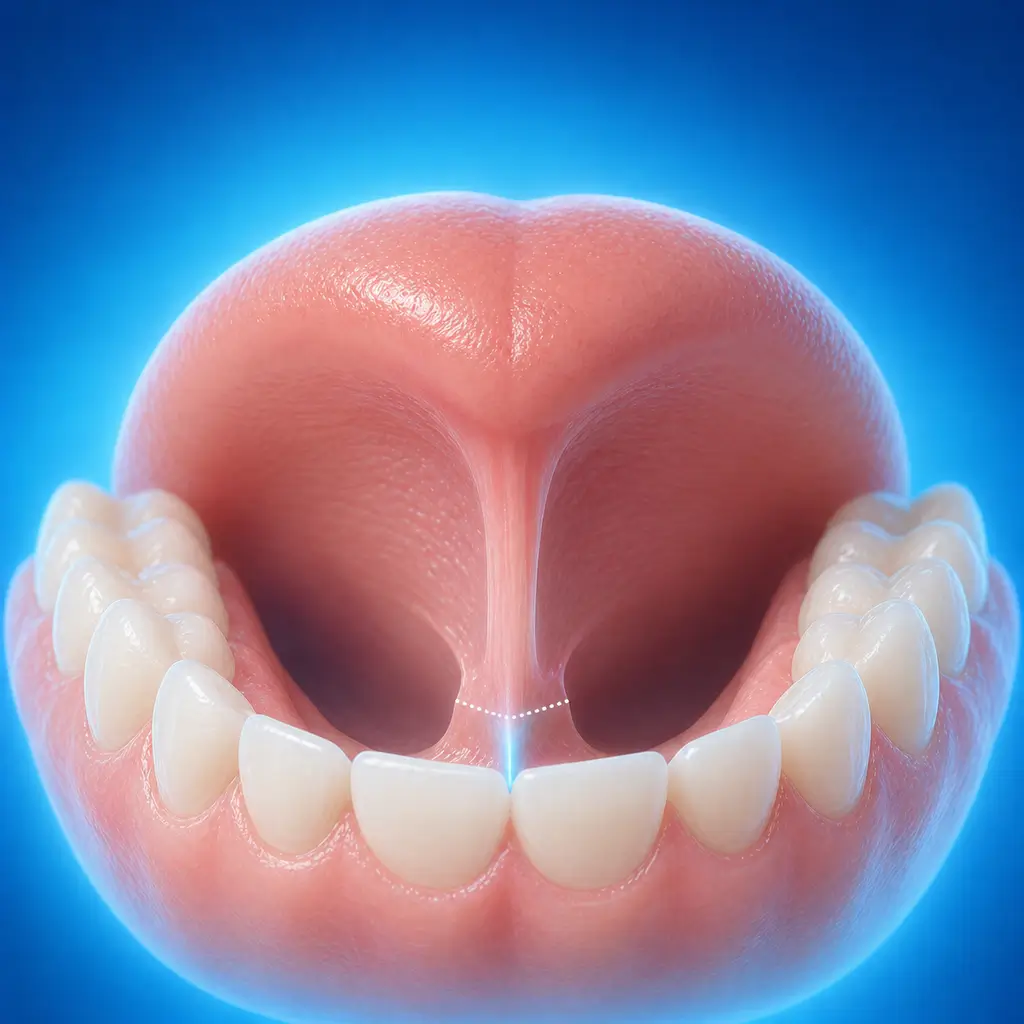
Infant Frenotomy
Lingual frenotomy is suitable for infants younger than 6 months. Topical anesthesia or no anesthesia may be used. Sterile scissors make a transverse incision in the center of the frenulum, cutting fibrous tissue to the superficial muscle layer while avoiding the sublingual gland duct openings. Gauze pressure controls bleeding for several minutes, and bleeding is usually minimal.
Pediatric Frenuloplasty
Lingual frenuloplasty is suitable for children older than 6 months. Under local infiltration anesthesia, the tongue tip is grasped with tongue forceps or gauze and pulled upward and forward to tense the frenulum. A longitudinal incision is made in the center of the frenulum, fibrous tissue and some superficial tongue muscle fibers are released, and absorbable sutures are placed intermittently to create a newly lengthened frenulum.
Usually completed in one surgery. Sutures absorb or the wound is reviewed in about 2 weeks. Postoperative speech, swallowing, or tongue movement training is needed to evaluate functional improvement.
Cost Information
Cost Estimate for Lingual Frenotomy/Frenuloplasty
Estimated Price Range
$74 – $100
What's Included
Local anesthesia, lingual frenotomy or frenuloplasty, and suturing.
Before Your Visit
What to Prepare
Required Tests & Examinations
If you already have recent valid test results, bring the reports. If not, these assessments can usually be completed in China before the procedure.
Dental specialty examination: frenulum shape, attachment position, tongue shape on protrusion, mobility, and speech clarity
General condition and cooperation level
Documents & Materials to Bring
Required to Bring
Related assessment records for speech, breastfeeding, swallowing, or tongue movement limitation if available
Child growth and development, previous disease, and medication information if applicable
Medication allergy history
Coagulation function or other preoperative test results if completed
Companion & Support
An adult companion is recommended for postoperative pickup and observation. For general anesthesia, sedation, larger procedures, child patients, or patients with limited mobility, arrange accompaniment according to hospital requirements.
After Treatment
Recovery & Follow-Up
Two hours after surgery, warm or cool liquid food may be eaten; avoid very hot, hard, or spicy foods.
Do not brush or rinse for 24 hours after surgery; begin gentle cleaning the next day.
Avoid forceful sucking, spitting, and strenuous exercise for 1 week after surgery.
Infants may breastfeed immediately after surgery while sucking improvement is observed.
Tongue function exercises are needed.
Return promptly if persistent heavy bleeding, severe pain, fever, wound infection, or sublingual swelling affecting breathing occurs.
Follow-Up Schedule
Suture removal in 7-10 days; functional improvement is reviewed 1-3 months after surgery.
Related Conditions
Conditions This Procedure Treats
Ready to Plan Lingual Frenotomy/Frenuloplasty in China?
Let Carevia help you find the right hospital, coordinate your treatment, and arrange every detail of your medical trip.
Frequently Asked Questions
Need personalized guidance?
Our care coordinators can help you assess whether this procedure fits your situation.
Contact Us