Conservative Observation
For early, low-risk, cleanable suspected caries lesions, risk control and regular follow-up are used, with active treatment started if the lesion progresses.
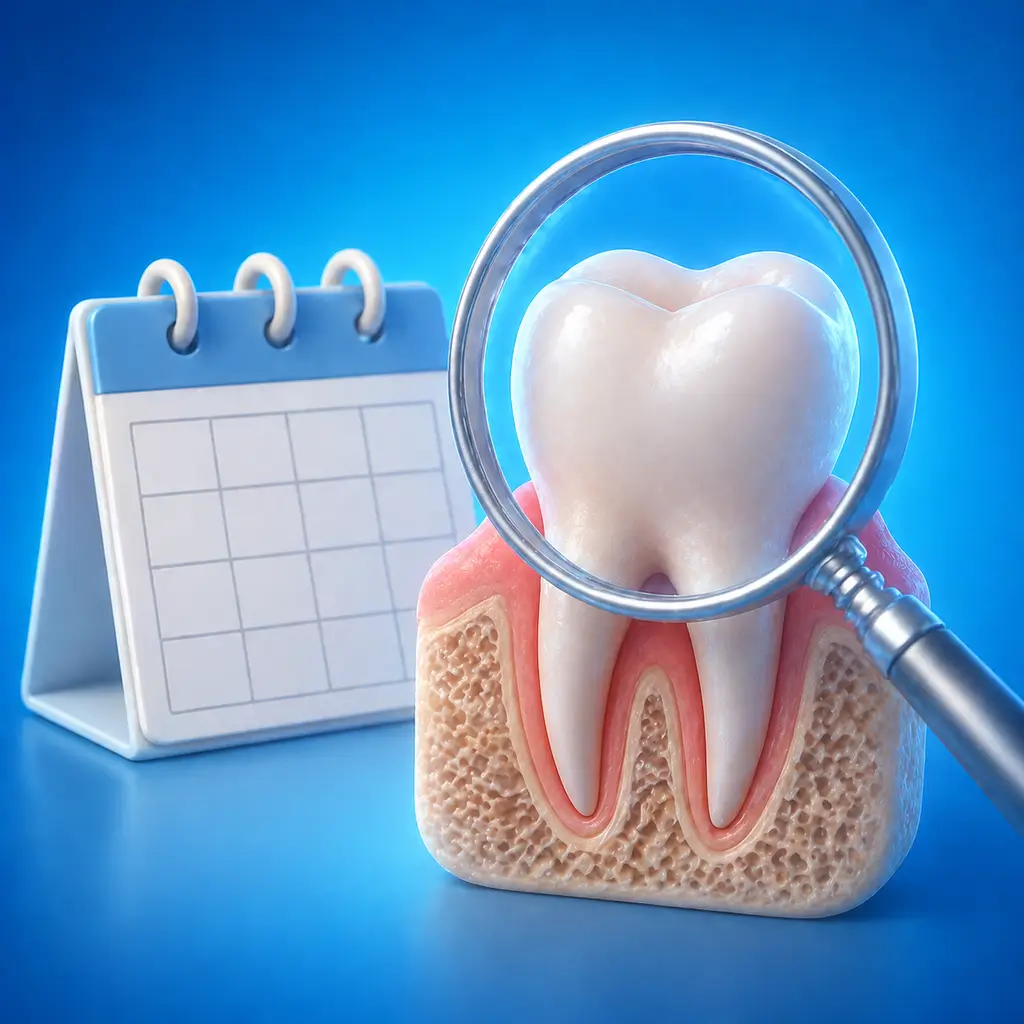
Conservative observation is suitable for early caries or suspected lesions that are superficial, located in easily cleaned areas, have not formed an obvious cavity, and do not cause spontaneous pain or lingering stimulus pain. It is not doing nothing; it means monitoring lesion stability through oral hygiene guidance, sugar control, fluoride use, remineralization management, and regular follow-up. If the lesion progresses, food impaction occurs, cold or heat pain develops, or cleaning conditions worsen, active treatment such as filling should be started promptly.
Quick Reference
Observation
0 mins
Est. Cost
$0
Department
Endodontics
Who Is This For
Is Conservative Observation Right for You?
Good Candidates
- Superficial caries in an easily cleaned area, no subjective symptoms, no esthetic concern, resistance to dental treatment, strong oral hygiene ability, and ability to attend regular follow-up
May Not Be Suitable
- Large caries lesions, lesions in difficult-to-clean areas, clinical symptoms, esthetic concerns, poor oral hygiene ability, or inability to attend regular follow-up
Step-by-Step Process
How Conservative Observation Works
Confirm Observation Conditions
A dentist confirms that the caries is superficial, located in an easily cleaned area, and has no signs suggesting pulp involvement such as spontaneous pain, lingering cold or heat pain, or biting pain.
Risk Control
Provide oral hygiene guidance, reduce the frequency of sugary foods and drinks, and use fluoride toothpaste; local fluoride application, pit and fissure sealing, or remineralization treatment may be added when needed.
Regular Follow-up
Review oral findings and necessary imaging as instructed. If the lesion progresses, symptoms appear, or cleaning conditions worsen, switch promptly to active treatment such as filling.
No surgical procedure is usually required, but oral hygiene management and regular follow-up are needed according to risk level. Follow-up intervals are generally 3-12 months and are decided by the dentist based on caries risk.
Cost Information
Cost Estimate for Conservative Observation
Estimated Price Range
$0
What's Included
Conservative observation itself usually does not involve procedural treatment fees, but oral examinations, imaging, fluoride application, remineralization materials, or follow-up visits may incur costs. If the lesion progresses, filling or other treatment is charged separately.
Before Your Visit
What to Prepare
Required Tests & Examinations
If you already have recent valid test results, bring the reports. If not, these assessments can usually be completed in China before the procedure.
Physical examination: visual inspection for color change, probing for lesion texture and mobility, percussion for tenderness, and thermal or electric pulp testing for pulp vitality
Imaging: X-ray, CBCT
Documents & Materials to Bring
Required to Bring
Recent oral examination record or caries risk assessment result if available
Recent dental imaging, such as bitewing, periapical, or panoramic radiographs if available
Previous caries treatment, fluoride application, or remineralization treatment records if available
Records of symptom changes, such as pain, sensitivity, food impaction, or lesion color change if available
Companion & Support
A dedicated companion is usually not needed. For children, older adults, pregnancy, underlying medical conditions, or when treatment may affect eating or travel afterward, having a family member accompany the patient is recommended.
After Treatment
Recovery & Follow-Up
There is no surgical recovery period, but ongoing sugar control, tooth brushing, and fluoride or remineralization measures are required.
Attend regular follow-up based on the caries risk assessed by the dentist, usually every 3-12 months.
Seek care earlier if the lesion enlarges, a cavity forms, food impaction appears, or cold or heat pain develops.
Follow-Up Schedule
Return as instructed. If pain worsens, swelling, bleeding, or fever occurs, or a restoration loosens or falls out, seek care earlier.
Ready to Plan Conservative Observation in China?
Let Carevia help you find the right hospital, coordinate your treatment, and arrange every detail of your medical trip.
Frequently Asked Questions
Need personalized guidance?
Our care coordinators can help you assess whether this procedure fits your situation.
Contact Us