Gingivitis
Gingivitis is inflammation of the gingival soft tissue caused by plaque and calculus irritation. Common signs include bleeding during brushing, red and swollen gums, and bad breath. It is usually reversible with professional cleaning and oral hygiene maintenance.
Common Symptoms
Recognizing Gingivitis
Focus on the most useful decision cues first: common symptoms, the patients or situations that usually prompt review, and any signs that need faster assessment.
Common Symptoms
Signs patients often notice before evaluation
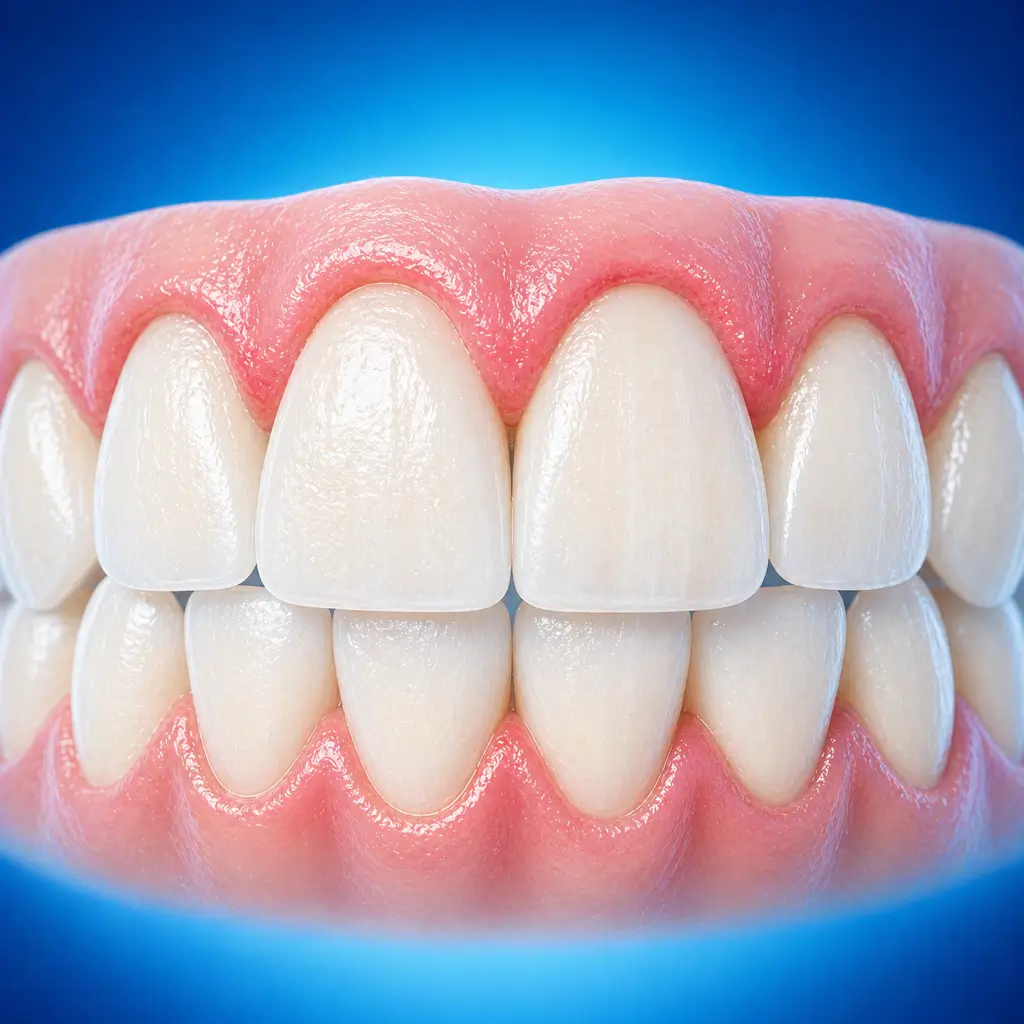
Gum color change: healthy gingiva is pink; with inflammation it becomes bright red or dark red with increased shine
Gum shape change: swollen gums, thickened margins, bulbous interdental papillae, and soft or fragile tissue texture
Bleeding: gums bleed when brushing, flossing, or biting hard food
Localized gum discomfort: swelling pain, itching, or foreign-body sensation may occur, but obvious spontaneous pain is usually absent
Bad breath
When to Seek Evaluation
Typical patients and situations that warrant review
Nearly universal among adults, and can also occur in children and adolescents
Repeated gum bleeding during brushing, flossing, or biting hard food
Red and swollen gums, bad breath, or obvious increase in calculus
Cleaning difficulty around orthodontic appliances, restoration margins, or crowded teeth
Gum swelling and bleeding worsen during pregnancy, diabetes, or long-term medication use
Treatment Approaches
Treatment Directions for Gingivitis
Remove calculus and plaque with supragingival scaling, and provide instruction on brushing, floss, and interdental brush use
Check and manage defective restorations, overhanging fillings, food impaction, and cleaning problems around orthodontic attachments
If periodontal pockets, attachment loss, or alveolar bone resorption are found on probing, evaluate and treat further as periodontitis
What usually shapes the treatment plan
Clinical Assessment
Key Assessments for Gingivitis
These are the main areas doctors usually review first. If you already have relevant test or imaging reports, bring them to speed up the assessment. They are helpful but not required, and the same workup can also be completed in China.
Extent of inflammation, localized or generalized
Whether probing bleeding is present and the bleeding index
Whether periodontal pockets and attachment loss are present
Amount and distribution of plaque and calculus
Local contributing factors, such as overhanging fillings, defective restorations, crowded teeth, or orthodontic appliances
Systemic contributing factors, such as pregnancy, diabetes, or medications
Before You Travel
How to Prepare
Bring imaging records and recent blood test reports if available
Planning Notes
Pre-Assessment Required
Assessment should include gingival color and shape, bleeding on probing, plaque and calculus distribution, and whether periodontal pockets or attachment loss are present, to distinguish simple gingivitis from periodontitis. Periodontal indices may be recorded and radiographs taken to assess alveolar bone when necessary.
Remote Pre-Assessment
Intraoral photos, the course of pain/swelling, previous dental records, and imaging can be submitted remotely for preliminary triage, urgency assessment, and an estimated treatment direction. Final diagnosis still requires in-person intraoral examination and necessary imaging.
Multidisciplinary Assessment
Medical History Important
Previous dental treatment history, imaging, allergy history, anticoagulant/bisphosphonate use, diabetes, and immune-related diseases can affect diagnosis, anesthesia, bleeding and infection risk, and treatment selection.
Ready to Explore Treatment for Gingivitis?
Let Carevia help you connect with the right specialists, compare hospitals, and plan your medical trip to China.