Back to Hospitals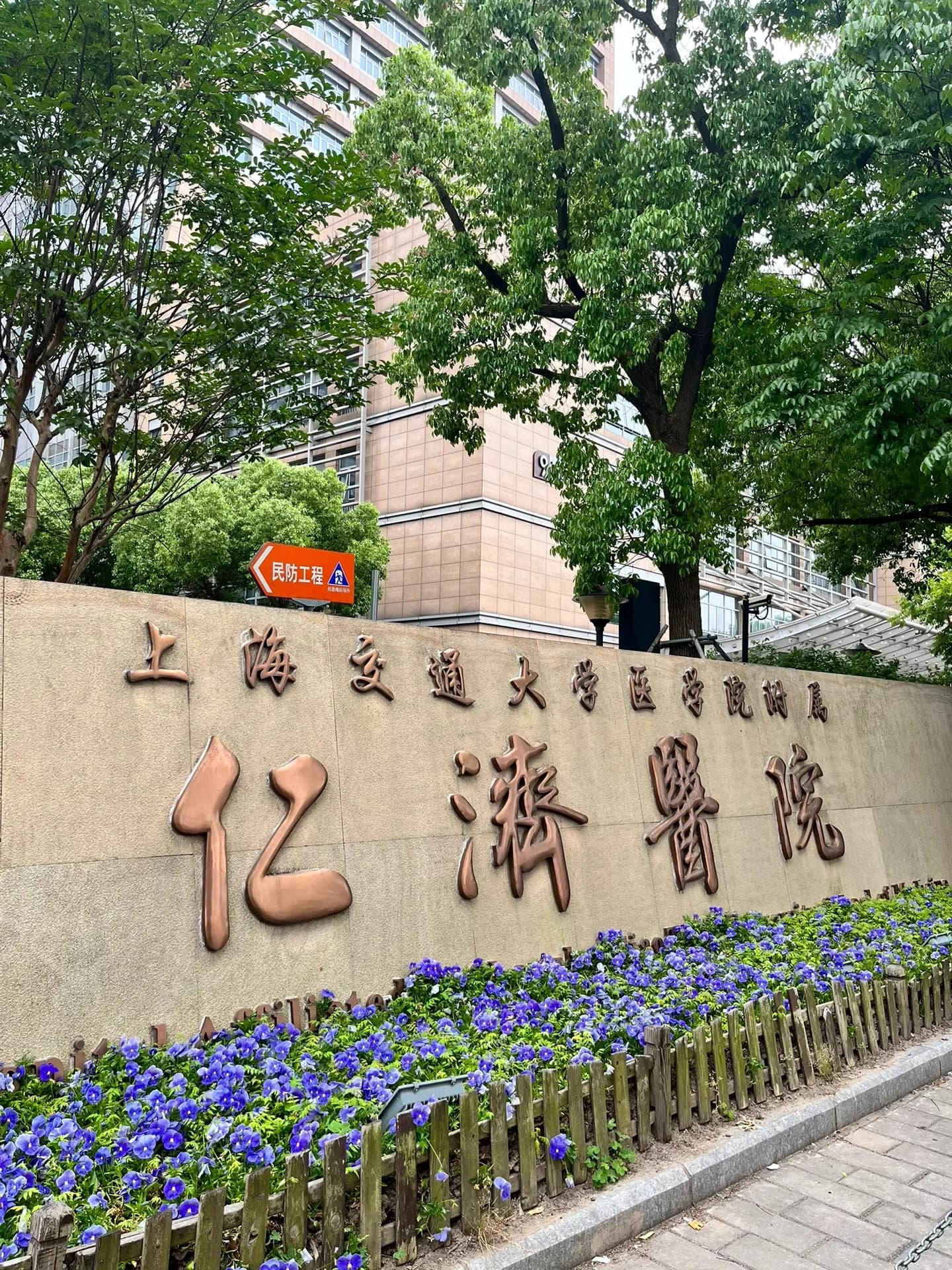
Grade III Grade A
Renji Hospital, Shanghai Jiao Tong University School of Medicine
Renji Hospital, Shanghai Jiao Tong University School of Medicine was founded in 1844 and was among the first Western medicine hospitals established after Shanghai opened as a treaty port. After sustained development, it is now a general Grade III Class A hospital combining medical care, teaching, research, and public health services, with its eastern, western, southern, and northern campuses developing collaboratively with the Shanghai Cancer Institute. The hospital has 2,750 authorized beds and 54 clinical and medical technology departments. At the end of 2025, it had 4,886 employees, including 776 experts with senior professional titles, and a well-developed faculty of doctoral and master's supervisors. In 2025, it recorded more than seven million outpatient and emergency visits, more than two hundred thousand discharges, and more than one hundred thirty thousand inpatient surgical procedures, enabling it to provide large-scale comprehensive medical services and care for complex conditions. The hospital has multiple National Clinical Key Specialties and hosts the National Key Laboratory of Systems Medicine for Cancer, as well as research platforms affiliated with the Ministry of Education, the National Health Commission, and Shanghai. It also has a professional system for clinical drug trials. Research emphasizes cancer systems medicine, clinical translation, and multidisciplinary collaboration, with sustained accomplishments involving the National Natural Science Foundation of China, major national projects, high-level talent, and science and technology awards. Through Shanghai Jiao Tong University School of Medicine, the hospital offers doctoral and master's training programs, standardized residency and specialist training bases, and international collaborations including the Shanghai-Ottawa Joint School of Medicine and the Sino-French School of Surgery. The hospital's campuses and the Shanghai Cancer Institute jointly undertake comprehensive care, clinical research, and professional training. Over the years, Renji Hospital has received numerous honors for hospital management, civic and ethical development, and medical quality, and it has maintained strong results in performance evaluations of Shanghai municipal hospitals for consecutive years.
Established
1844-01-01
Official website
www.renji.com/index
Snapshot
Active departments
20 active departments available in this language.
Hospital tag
Grade III Grade A
Care planning
Need help comparing departments or travel logistics?
Carevia can help you assess department fit, shortlist hospitals across cities, and coordinate translation, appointments, and post-visit travel planning.
Departments
Clinical departments at Renji Hospital, Shanghai Jiao Tong University School of Medicine
20 department profiles are available for review.
Department of Cardiology
The Department of Cardiology at Renji Hospital operates across the east, west, south, Hangzhou Bay, and Baoshan campuses. It comprises centers for coronary heart disease, electrophysiology and pacing, heart failure, pulmonary vascular disease, structural heart disease and cardiovascular imaging, hypertension, cardiac rehabilitation, clinical research, and pharmacology. The official website also reports the department's outpatient and emergency visits, inpatient discharges, and surgical volume and describes its clinical care, talent development, and research. The discipline was formerly designated a National Key Clinical Discipline by the Ministry of Health and is a key discipline under the Ministry of Education's Project 211. It is also among the first national training bases for cardiovascular specialists.
Cardiology
Department of Respiratory Medicine
The Department of Respiratory Medicine at Renji Hospital was founded in 1954 and has established services on the south, east, and west campuses. It operates centers for bronchoscopic diagnosis and treatment, interstitial lung disease, and pulmonary physiology diagnostics. Areas explicitly identified as priorities on the official website include interstitial lung disease, lung cancer, and interventional endoscopy, as well as the diagnosis, treatment, and study of interstitial pneumonia, severe pneumonia, and chronic obstructive pulmonary disease. The department is qualified to train doctoral students, has been recognized as an Outstanding Unit in the National Standardized Development Program for Pulmonary and Critical Care Medicine, and was among Shanghai's first training institutions for respiratory specialists.
Respiratory Medicine
Department of Gastroenterology
The Department of Gastroenterology at Renji Hospital was founded in 1984 and has inpatient beds, clinical endoscopy centers, and laboratories on the east, west, and south campuses. Clinical strengths listed on the official website include gastrointestinal tumors and precancerous disease, chronic liver disease, Helicobacter pylori-related disease, inflammatory bowel disease, psychosomatic disorders of the digestive system, small-bowel bleeding, and endoscopic diagnosis and treatment of early cancer. The department also performs multiple types of endoscopic examination and minimally invasive therapy. The discipline has successively been designated a Key Discipline of the Ministry of Education, a Shanghai Key Discipline, and a National Key Clinical Specialty under development. It has established a talent-training system in which doctoral and master's supervisors participate together.
Gastroenterology
Department of Nephrology
The Department of Nephrology at Renji Hospital was established in the 1970s and provides outpatient, inpatient, and hemodialysis services on the east, west, and south campuses. Its subspecialties encompass acute kidney injury, chronic kidney disease, integrated Chinese-Western prevention and treatment, care for critical kidney disease, hemodialysis, peritoneal dialysis, and kidney transplantation. Priorities include slowing the progression of chronic kidney disease and delivering integrated treatment for end-stage kidney disease. The discipline is both a National Key Clinical Specialty and a Key Discipline of the Ministry of Education. It also operates one of the earlier peritoneal-dialysis training centers established by the health authorities and undertakes standardized specialty education.
Nephrology
Department of Hematology
The Department of Hematology at Renji Hospital was founded in 1963 and includes subspecialty groups for myeloma, lymphoma, leukemia, and laboratory diagnosis of hematologic disease. Its clinical scope, as listed on the official website, includes hematologic malignancies, anemia, myelodysplastic syndromes, immune thrombocytopenia, myeloproliferative neoplasms, and disorders of coagulation and bleeding. Treatments include chemotherapy, immune-targeted therapy, hematopoietic stem-cell transplantation, and cellular immunotherapy. The department is the Shanghai branch of the National Clinical Research Center for Hematologic Diseases and participates in a collaborative network associated with the European Society for Blood and Marrow Transplantation, conducting multidisciplinary clinical research.
Hematology
Department of Endocrinology
The Department of Endocrinology at Renji Hospital was established in 1999. Polycystic ovary syndrome has long been a distinctive specialty, while obesity is another priority subspecialty. Services explicitly listed on the official website include the National Metabolic Management Center and specialty or multidisciplinary clinics for obesity and reproduction, pituitary and adrenal disorders, fatty liver disease, osteoporosis, and thyroid disease, together with parallel clinical and basic research. The physician team has 21 members, including 2 doctoral supervisors and 3 master's supervisors. Its clinical subspecialties and postgraduate training together form a structured talent pipeline.
Endocrinology
Department of Neurology
The Department of Neurology at Renji Hospital was founded in 1952. It operates a stroke unit, clinical neurophysiology laboratory, neuropsychology laboratory, independent emergency service, and fast-track stroke pathway. Subspecialties listed on the official website include movement disorders, cognitive impairment, cerebrovascular disease, neuroimmunology, neurogenetics, functional neurological disorders, rare and difficult diseases, epilepsy, sleep disorders, and neuromuscular disease. The department operates a Shanghai Stroke Treatment Center and a National Comprehensive Epilepsy Center and undertakes national standardized residency training and specialist training in neurology.
Neurology
Department of Urology
The Department of Urology at Renji Hospital became an independent department in the late 1960s. It now has ten subspecialties: renal tumors, prostate tumors, bladder tumors, urinary stones, andrology, voiding dysfunction, reconstructive urology, pediatric urology, kidney transplantation, and urologic emergencies. The official website also reports the department's number of beds and its outpatient, emergency, surgical, and da Vinci robotic-surgery volumes. The discipline is a National Key Clinical Specialty and a key discipline under the Ministry of Education's Project 211, and it undertakes work associated with the Shanghai Urology Medical Quality Control Center.
Urology
1/3