Back to Hospitals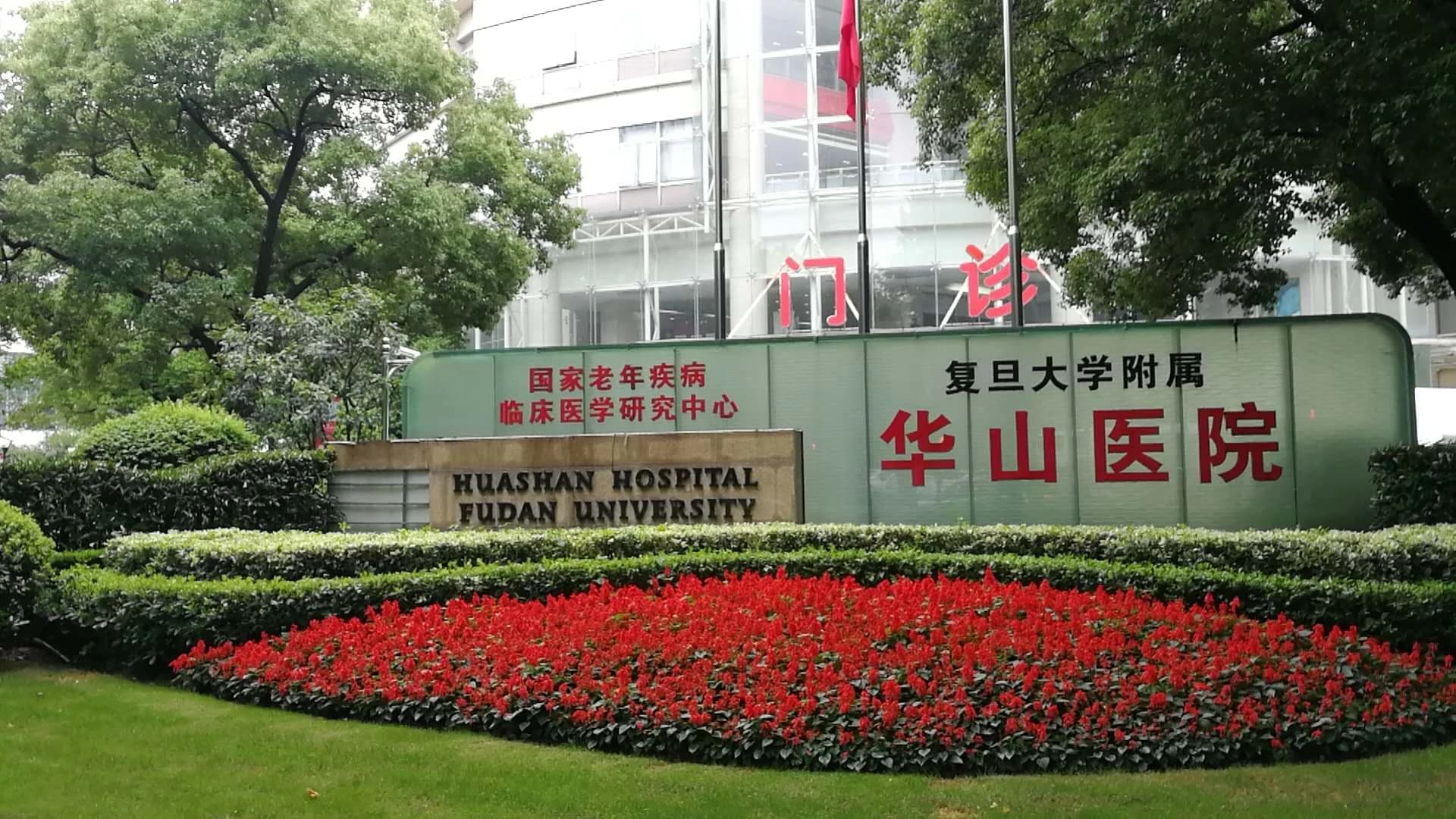
Grade III Grade A
Huashan Hospital, Fudan University
Huashan Hospital, Fudan University was founded in 1907 as the General Hospital and Medical School of the Red Cross Society of China. It was one of the earlier modern hospitals founded and managed by Chinese citizens in Shanghai and holds an important place in the history of modern Chinese medical education and clinical professional training. The hospital is administered by the National Health Commission, is a Fudan University-affiliated comprehensive teaching hospital, and was among the first Grade III Class A hospitals. Its main campus and Pudong, Hongqiao, and Baoshan campuses jointly provide medical services. It has 3,142 authorized beds, 450 research beds, and 44 clinical and medical technology departments, forming an integrated multicampus system for difficult and critical care and research. Huashan Hospital, Fudan University has distinctive strengths in neurological diseases, infectious diseases, and geriatric medicine. It hosts the National Center for Neurological Disorders, the National Center for Infectious Diseases, and the National Clinical Research Center for Geriatric Diseases, as well as high-level platforms including National Clinical Key Specialties, National Key Disciplines, and National Key Laboratories. Recently published annual averages on the hospital's website show more than six million outpatient and emergency visits, nearly two hundred thousand discharges, and more than one hundred thousand surgical procedures, indicating that it manages a large volume of complex diseases and acute and critical cases. In research, the hospital promotes coordination among basic research, translational medicine, and clinical research around major clinical problems and has received important honors in recent years, including the State Scientific and Technological Progress Award. Its professional workforce, led by academicians and national-level high-caliber professionals, includes more than six thousand employees and more than eight hundred senior professional-title experts. The teaching system covers undergraduate and graduate education, residency, and specialist training and includes doctoral degree programs, postdoctoral research stations, and multiple national training bases. The hospital has long participated in public health emergency response, domestic and international medical assistance, and regional collaboration and has repeatedly received honors including National Civilized Unit.
Established
1907-01-01
Official website
www.huashan.org.cn/
Snapshot
Active departments
25 active departments available in this language.
Hospital tag
Grade III Grade A
Care planning
Need help comparing departments or travel logistics?
Carevia can help you assess department fit, shortlist hospitals across cities, and coordinate translation, appointments, and post-visit travel planning.
Departments
Clinical departments at Huashan Hospital, Fudan University
25 department profiles are available for review.
Department of Neurosurgery
The Department of Neurosurgery at Huashan Hospital, Fudan University was established in 1952 and was the earliest neurosurgery department founded in southern China. It is a training center of the World Federation of Neurosurgical Societies (WFNS) and the Asian Congress of Neurological Surgeons (ACNS); the principal institution of the National Center for Neurological Disorders; a National Key Discipline of the Ministry of Education; a Key Development Discipline of the Ministry of Health; a National Key Clinical Specialty; a Shanghai Leading Discipline; the Shanghai Clinical Medical Center for Neurosurgery; the Shanghai Neurosurgical Emergency Center; and a top-priority discipline for development at Fudan University. It hosts the Fudan University Institute of Neurosurgery and the Shanghai Key Laboratory of Brain Function Restoration and Neural Regeneration. Its facilities include the Brain Function Laboratory, Skull Base Surgery and Microsurgery Laboratory, Endoscopic Clinical Training Center, Cerebral Blood Flow Laboratory, GMP Laboratory, Cellular and Molecular Laboratory, Intelligent Diagnosis and Treatment Laboratory, Optogenetics Laboratory, Central Nervous System Disease Biobank, Electrophysiology Laboratory, and others. It conducts collaborative research and scholar exchanges with multiple medical centers abroad. As one of China's principal neurosurgical centers, it has recorded numerous national firsts in the history of Chinese neurosurgery, including China's first brain-tumor operation, first cerebral aneurysm clipping, first resection of an intrinsic brainstem hemangioblastoma, and first intracerebral transplantation of autologous stem cells to treat open craniocerebral trauma. To date, it has performed more than 200,000 neurosurgical operations and has consistently maintained advanced domestic and international levels in neurosurgical clinical care, research, and teaching. In 1989 and again in 2002, it was approved by the State Education Commission as a National Key Discipline and was included as a development discipline in Phases I, II, and III of Project 211. Since 1991, it has been designated a Ministry of Health Key Clinical Discipline for Development on 5 consecutive occasions. It became a Shanghai Leading Discipline in 1995; a top-priority Fudan University discipline and the Shanghai Clinical Medical Center for Neurosurgery in 2001; the Shanghai Neurosurgical Emergency Center in 2004; and a National Key Clinical Specialty and the Fudan University Institute of Neurosurgery in 2011. The Shanghai Pituitary Tumor Research Center was established in 2013. The department received the annual Shanghai Quality Gold Award in 2018 and the National Advanced Collective in Poverty Alleviation honor in 2021, and it became the National Center for Neurological Disorders in April 2021.
Neurosurgery
Department of Hand Surgery
In 1960, hospital president Li Hongru decided to establish a Hand Surgery Group within Orthopedics, and Professor Yang Dongyue was appointed to organize and lead it. A Microsurgery Laboratory was established with Ministry of Health approval in 1979. In 1981, Professor Yang Dongyue, the founder of Hand Surgery, died of liver cancer. His pioneering achievements—the free-toe transfer for thumb reconstruction, the world's third free-flap transplantation, free allogeneic knee-joint transplantation, and China's first free pectoralis major myocutaneous-flap transplantation—wrote a distinguished chapter in the history of hand surgery in China. Huashan Hospital established an independent Department of Hand Surgery in 1984, with Gu Yudong serving concurrently as department director and director of the Microsurgery Laboratory. Hand Surgery then had 43 beds, comprising 23 officially approved beds and 20 basement beds, along with 8 full-time physicians and 5 full-time laboratory technologists. In 1985, at the request of the Hand Surgery Group of the Chinese Orthopaedic Association, the department began publishing the Journal of Hand Surgery, with Wang Shuhuan as editor-in-chief and Gu Yudong as deputy editor-in-chief. The journal was renamed the Chinese Journal of Hand Surgery in 1993, with Gu Yudong as editor-in-chief; Lao Jie is the current director of its editorial office. The Shanghai Medical University Institute of Hand Surgery, later renamed the Fudan University Institute of Hand Surgery, was established in 1989 with Gu Yudong as director. In 1992, the Ministry of Health approved the department as a ministerial Key Laboratory of Hand Function Reconstruction. In 1995, with support from the former Shanghai Medical University, the Ministry of Health Key Laboratory of Hand Function Reconstruction was established at Shanghai Medical University, with Wang Shuhuan as chair of the academic committee and Gu Yudong as laboratory director. The Huashan Hospital Hand Surgery Branch Hospital was established in 1993, with Chen Desong as executive president. The Shanghai Institute of Hand Surgery was established in 1994, with Professor Gu Yudong as director. In 1995, Hand Surgery became a Shanghai Leading Discipline and a Project 211 Key Discipline. In 2002, it became a Shanghai Clinical Medical Center and a State Education Commission Key Discipline. In 2003, it became a national continuing-education training base for hand surgery and microsurgery, an International Federation of Societies for Surgery of the Hand training center, and an international AO Foundation hand-surgery training center. From 1996 through 2012, it was a Project 211 development project for Phases 1 through 3. It was designated the Shanghai Key Laboratory of Peripheral Nerve and Microsurgery in 2005 and established the Obstetric Palsy Diagnosis and Treatment Center in 2006. In 2014, it received authorization from the European Wrist Arthroscopy Society (EWAS) to become the society's only wrist-arthroscopy training base in mainland China.
Orthopaedic Surgery
Department of Orthopedics
The Department of Orthopedics at Huashan Hospital, Fudan University was jointly founded in the 1930s by Professors Ren Tinggui and Li Hongru. Over nearly a century of development, the department has continually explored and innovated and has achieved substantial results. As early as the 1950s, it began performing anterior debridement for spinal tuberculosis. In 1967, it was the first in China to perform artificial cervical-vertebra replacement, an achievement that received the Ministry of Health Major Scientific and Technological Achievement Award. Beginning in 1970, it performed anterior cervical surgery and anterior decompression for spinal fractures, and in the 1980s it provided surgical correction of scoliosis. In the 1960s, Huashan Orthopedics successively participated in establishing the orthopedic departments of Chongqing Medical College and Xinjiang Medical College. In the 1980s, the independent Huashan Hospital Departments of Hand Surgery and Microsurgery developed from it, and in 1981 it created one of China's earliest foot-disorders groups. Under successive directors Professors Li Hongru, Zhou Gongnan, Jiang Zhijie, Zhang Zhiyu, Huang Huangyuan, and Jiang Jianyuan, and current director Professor Ma Xiaosheng, Huashan Orthopedics has continually advanced in medical care, teaching, and research, formed distinctive clinical strengths, and achieved numerous original educational and scientific results. It successively became a Shanghai Key Clinical Specialty and one of the Ministry of Health's first Key Specialties. The department currently has 58 employees across 3 campuses—the main, Hongqiao, and Baoshan campuses—including 12 professionals with full senior titles, 21 with associate senior titles, 6 doctoral supervisors, and 5 master's supervisors. Its subspecialties include Spine, Joint, Trauma, Foot and Ankle, and Orthopedic Oncology. Services encompass routine diagnosis and treatment of all types of orthopedic disease as well as systematic treatment of severe deformities and neoplastic diseases of the musculoskeletal system. It has gradually developed leading clinical strengths in precision diagnosis and treatment of difficult and complex spinal disease, functional correction of complex foot and ankle deformities, standardized stepwise treatment of joint disease, and comprehensive intervention for osteoporotic fractures in older adults. The department currently records nearly 200,000 outpatient and emergency visits for orthopedic conditions and performs more than 8,000 operations annually. In addition to routine medical care, Huashan Orthopedics has long provided medical assistance in Africa and counterpart medical support to remote western provinces and regions including Xinjiang, Yunnan, Guizhou, and Jiangxi. It also supplies medical services for numerous sporting events—including the Formula 1 Chinese Grand Prix, IAAF Golden Grand Prix, Figure Skating Championships, and World Swimming Championships—and for various rescue missions.
Orthopaedic Surgery
Department of Urology
The Department of Urology at Huashan Hospital, Fudan University was established in 1955. It was among the first National Key Disciplines designated by the Ministry of Education, is a Project 211 Key Development Discipline, was among the first clinical pharmacology bases certified by the State Food and Drug Administration, and was among the first doctoral degree-granting sites approved by the State Council. In 1996, former hospital president and department director Professor Zhang Yuanfang led the urology departments of 5 hospitals affiliated with Fudan University, formerly Shanghai Medical University, in founding the Fudan University Institute of Urology, formerly the Shanghai Medical University Institute of Urology. Huashan Hospital Urology serves as the institute's base and its postdoctoral research station in urology. In 2012, current hospital president and former department director Professor Ding Qiang led Huashan Urology into the Ministry of Health National Key Clinical Specialty Development Program. The discipline currently has 101 open beds and 29 employed physicians, including 8 professors and chief physicians, 11 associate professors and associate chief physicians, and 9 attending physicians; more than 80% hold doctoral degrees. It has 7 doctoral supervisors and 4 master's supervisors. Its strategic objective is to adhere to the development strategy of building the department through distinctive strengths, advancing it through innovation, and strengthening it through talent. Making full use of the institute's platform, it seeks to create an environment in which clinical care and research interact organically and advance together. It has established distinctive subspecialty strengths in minimally invasive urologic treatment; urologic and male reproductive-system tumors; urinary stones; urinary control and pelvic-floor functional reconstruction; prostate disease; male reproduction and health; and kidney transplantation and organ preservation. Its goal is to become a first-class discipline that leads nationally and in Shanghai and whose academic achievements have influence in Asia and internationally. Its subspecialty strengths include: early diagnosis and comprehensive treatment of urologic and male reproductive-system tumors; minimally invasive treatment and prevention of urinary stones; urinary control and urinary-tract reconstruction and functional recovery; comprehensive diagnosis and treatment of prostate disease and research into innovative minimally invasive technologies; men's health and microsurgery; kidney transplantation; and da Vinci robot-assisted laparoscopic minimally invasive surgery. At the end of 2015, the discipline introduced the SI model of the most advanced da Vinci robotic surgery system then available in China and successfully began performing multiple highly difficult operations. It also introduced advanced specialty diagnostic and treatment equipment including 3D full-high-definition laparoscopes, an integrated urologic diagnosis and treatment platform, argon-helium cryoablation, CyberKnife, dual-wavelength lasers, and gene sequencers, enabling it to provide high-quality, safe, nationally first-class medical care.
Urology
Department of Rehabilitation Medicine
The Department of Rehabilitation Medicine at Huashan Hospital was founded in 1957. Under the leadership of Professor Fan Zhenhua, one of the founders of rehabilitation medicine in China, it provided comprehensive rehabilitation centered on diseases of the motor system and was among China's first Medical Sports Treatment Rooms. The Department of Rehabilitation and Sports Medicine was established in 1984. It was among the first rehabilitation-medicine departments established in Chinese general hospitals and among the country's earliest master's and doctoral training sites to recruit postgraduate students in sports medicine, rehabilitation medicine, and physical therapy. The discipline received support through the National Key Clinical Specialty Development Program in 2013, the Shanghai Important Underdeveloped Discipline Development Program in 2015, the Ministry of Science and Technology's National Key Research and Development Program in 2018, the Shanghai Key Specialty Takeoff Program in 2019, and the National Health Commission National Key Clinical Specialty Development Program in 2023. In the same year, it was designated a Shanghai Key Supported Discipline. In 2024, it successively received support through the National Administration of Traditional Chinese Medicine Flagship Department Development Program for Collaboration between Chinese and Western Medicine and the Shanghai Key Traditional Chinese Medicine Discipline Development Program, and became a Rehabilitation Medicine Research Center of the Chinese Association of Rehabilitation Medicine. Under the successive leadership of Professors Fan Zhenhua, Hu Yongshan, Wu Yi, and Bai Yulong, the discipline has continually grown and strengthened, and its rehabilitation diagnosis and treatment capabilities rank among China's leaders. Since rehabilitation medicine was first included in the Fudan edition of China's Hospital Specialty Comprehensive Reputation Rankings in 2012, the discipline has consistently ranked among the top 3 and held first place in the comprehensive rehabilitation specialty rankings for 4 consecutive years, from 2019 through 2022. Huashan Hospital Rehabilitation Medicine currently has 37 rehabilitation physicians, including 5 traditional Chinese medicine physicians, and 44 therapists. The team includes 9 chief physicians, 8 associate chief physicians, 1 chief therapist, and 3 associate chief therapists. The discipline has developed a relatively complete academic talent pipeline, including 1 chief responsible expert for the National Key Research and Development Program, 1 chief responsible expert for the National 863 Program, 3 experts recognized for outstanding contributions by the National Health Commission Stroke Prevention and Treatment Project Committee, 8 recipients of the Shanghai Young Science and Technology Talent Sailing Program, 1 recipient of the Shanghai High-Level Traditional Chinese Medicine Talent Program, 1 recipient of a Shanghai Municipal Health Commission talent-development program, and 1 recipient of the Chinese Association of Rehabilitation Medicine's project under the 8th Young Talent Support Program of the China Association for Science and Technology.
Physical Medicine and Rehabilitation
Department of Sports Medicine
The predecessor of Huashan Sports Medicine was the Teaching and Research Section of Medical Sports at Shanghai Medical College, established in 1958 as one of the founding institutions of sports medicine and rehabilitation medicine in China, with Professor Fan Zhenhua as its first director. Sports Medicine and Arthroscopic Surgery became an independent department in 1999. Professor Chen Shiyi became director in 2005 and founded the Fudan University Sports Medicine Center. He led innovative development that brought new vitality to this long-established department and shaped it into today's internationally renowned and nationally leading sports-medicine discipline. Professor Hua Yinghui succeeded him as director in October 2022. The department has carried forward its work in medical care, teaching, research, and other areas and has ranked 2nd nationally in sports medicine in the Fudan University Hospital Specialty Rankings for 2 consecutive years. Huashan Sports Medicine operates across 2 campuses and has 45 beds and 34 medical staff members. It records more than 90,000 outpatient visits and performs 6,000 operations annually. It now encompasses 2 National Health Commission National Key Clinical Specialties—Sports Medicine and Sports Rehabilitation—and is one of the first national training bases for orthopedic arthroscopic diagnosis and treatment technology. It is also the only ISAKOS-authorized and certified Center for Education and Training in Arthroscopy and Sports Trauma in China; an APKASS education and training center; the principal department of a hospital collaborating with China's national sports teams; a designated medical-support hospital in Shanghai for Olympic events and champions in the world's three major competitions; and the chief medical-officer institution for major international sporting events in Shanghai. The department has 6 divisions: Sports Trauma and Arthroscopic Surgery; Sports Rehabilitation and Postoperative Follow-up; the Fudan University Institute of Sports Medicine; the ISAKOS Sports Trauma and Arthroscopy Training and Education Center in China; the Center for Exercise and Health Promotion; and the Office of Medical Support for Major Events. The affiliated Sports Trauma and Arthroscopic Surgery unit has distinctive strengths and has become a renowned sports-medicine center in China and internationally for prevention and treatment of sports injuries and arthroscopic surgical care.
Sports Medicine
Department of Pancreatic Surgery
The Department of Pancreatic Surgery at Huashan Hospital, Fudan University was established in April 2010. It was Shanghai's first clinical department specializing in comprehensive diagnosis and treatment of pancreatic disease and is the principal institution of the Fudan University Institute of Pancreatic Diseases. It is also the birthplace and home institution of the Pancreatic Cancer Professional Committee of the Chinese Anti-Cancer Association, the Pancreatic Cancer Professional Committee of the Shanghai Anti-Cancer Association, the Pancreatic Disease Professional Committee of the Shanghai Association of Chinese Integrative Medicine, and the Multidisciplinary Pancreatic Tumor Professional Committee of the Oncology Branch of the Shanghai Association of Social Medical Institutions. The establishment and development of Huashan Pancreatic Surgery reflect the tireless efforts of several generations, embodying both the inheritance of medicine and the direction in which diagnosis and treatment of pancreatic disease have developed. Beginning in the 1980s, Professor Emeritus Zhang Yanling of Huashan Hospital, a renowned surgeon, initiated a series of studies on biliary and pancreatic disease and the pathogenesis and comprehensive treatment of severe acute pancreatitis. Later, Senior Professor Ni Quanxing of Huashan Hospital, director of General Surgery and a renowned pancreatic surgeon, focused on “new strategies for early diagnosis and stage-specific comprehensive treatment of pancreatic cancer” and “the characteristics of lymph-node metastasis in pancreatic cancer and interventional treatment.” Today, Professor Fu Deliang, current director of Pancreatic Surgery, Shanghai Outstanding Academic Leader, and Shanghai Medical Leading Talent, is committed to and advocates “early diagnosis and precision surgery for pancreatic tumors” and “multidisciplinary comprehensive pancreatic cancer research based on tumor biology and centered on surgery.” Huashan Pancreatic Surgery has advanced steadily and persistently throughout this journey. The department currently has 3 chief physicians, 6 associate chief physicians, 5 attending physicians, and 3 residents, including 3 clinical professors and 2 associate professors. It has 3 doctoral supervisors and 2 master's supervisors and advances in medical care, teaching, and research in parallel. Benefiting from Huashan Hospital's vertically integrated multicampus management model, Pancreatic Surgery now provides inpatient diagnosis and treatment and outpatient medical services for pancreatic disease at both the main and Pudong campuses; the Hongqiao and Baoshan campuses currently provide outpatient services only. The department now performs approximately 600 pancreatic resections of various types each year, with Grade IV operations accounting for approximately 75% and minimally invasive laparoscopic and robotic procedures accounting for approximately 25%. Its surgical quality-control indicators rank among the best in Shanghai.
General Surgery
Department of Cardiothoracic Surgery
Clinical work in Cardiothoracic Surgery at Huashan Hospital began in the 1980s. Through the tireless efforts and advocacy of renowned senior experts Huang Jiasi, Shi Meixin, Mao Lüyan, and others, it became an independent department in the 1990s, with Professor Mao Lüyan as its first director. Under the subsequent leadership of Professors Yao Yaqi and Chen Zhiming, the department drew on Huashan Hospital's advantageous resources to conduct extensive and effective diagnostic and therapeutic work for cardiothoracic diseases including lung cancer, esophageal cancer, valvular heart disease, coronary heart disease, mediastinal tumors, and myasthenia gravis. It safely and effectively performed a series of highly difficult operations, relieving the suffering of countless patients and generating favorable social benefits. Since renowned thoracic surgeon Professor Chen Xiaofeng joined the department from Shanghai Pulmonary Hospital and became director in 2013, he has further expanded its scale and influence within the field. Huashan Hospital Cardiothoracic Surgery has become a cardiothoracic surgical center with 112 beds and approximately 5,000 operations annually across 3 campuses: the main campus, Baoshan campus or North Campus, and Hongqiao campus or West Campus. Professor Pang Liewen currently leads its work. The department routinely performs the following operations, all with favorable outcomes. Lung cancer surgery includes minimally invasive and traditional radical operations, lobectomy, bronchoplastic sleeve lobectomy, superior vena cava resection with prosthetic vascular replacement, double-sleeve resection of the pulmonary artery and bronchus, and precision segmentectomy. Esophageal surgery includes radical resection of esophageal and gastric-cardia cancers and esophageal replacement using colon or jejunum. Tracheal surgery includes carinal resection and reconstruction and tracheal tumor resection. It also resects benign and malignant tumors of the mediastinum, diaphragm, chest wall, and pleura and repairs diaphragmatic and hiatal hernias; performs thoracoscopic or mediastinoscopic minimally invasive procedures for various benign pulmonary diseases; corrects congenital heart disease in adults and performs great-vessel surgery; repairs or replaces heart valves; and performs off-pump coronary artery bypass grafting. Individuals and teams in the department have received the 2001 Ministry of Education Scientific and Technological Achievement Award, the 2001 Second Prize of the Shanghai Science and Technology Progress Award, the 2003 Second Prize of the Shanghai Clinical Medical Achievement Award, the 2006 Shanghai Scientific and Technological Achievement Award, the 2009 Shanghai Scientific and Technological Achievement Award, the 2012 Second Prize of the Shanghai Medical Achievement Award, and the 2012 Second Prize for Introduction of New Technologies and Projects in Jiangsu Province.
Cardiothoracic Surgery
1/4