Back to Hospitals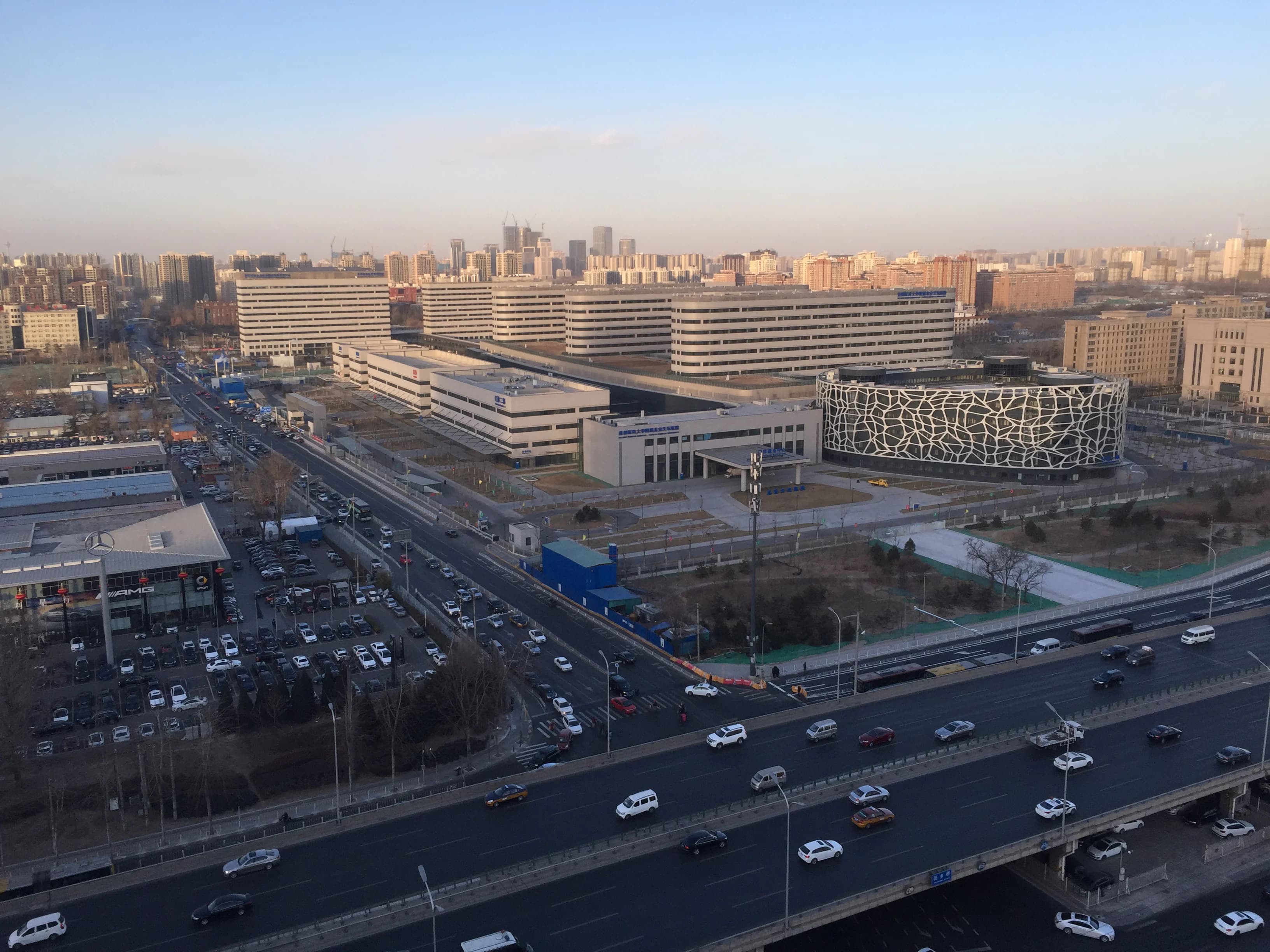
Grade III Grade A
Beijing Tiantan Hospital, Capital Medical University
Beijing Tiantan Hospital, Capital Medical University was founded in 1956. It is a general Grade III Class A hospital led by the development of clinical neuroscience and supported by comprehensive growth across its disciplines. With neurosurgery and neurology as its longstanding disciplinary core, the hospital has gradually established a diagnostic and treatment system for neurological diseases that covers cerebrovascular diseases, neuro-oncology, functional neurosurgery, pediatric neurosurgery, neurocritical care, cognitive disorders, movement disorders, neuroimmunology, and related fields. It also has cardiovascular, respiratory, digestive, oncology, orthopedic, obstetric, and gynecologic disciplines to provide multidisciplinary support for patients with complex conditions. Located at 119 South Fourth Ring West Road in Fengtai District, the hospital has a total site area of 181,581 square meters, a total floor area of 352,294 square meters, and 1,650 authorized beds, according to public recruitment materials on its website in 2026. Campus space and facilities are arranged around the care of complex and critical neurological conditions, research, and teaching. The hospital hosts the National Clinical Research Center for Neurological Diseases and the National Center for Neurological Disease Medical Quality Control, and it is an undertaking institution for the National Center for Neurological Disorders (Beijing) and a National Medical Center under mentorship. Institutions including the Beijing Neurosurgical Institute are based at the hospital. The Neurosurgery Center contains multiple clinical diagnosis and treatment units, with a publicly reported capacity of nearly 600 specialty beds and technical platforms that include hybrid operating rooms and intraoperative magnetic resonance imaging. The hospital trains Capital Medical University undergraduate and graduate students, residents, and specialists; information on its website lists multilevel master's and doctoral training programs and a faculty of supervisors. Its research emphasizes questions arising from clinical practice, medical artificial intelligence, brain science, and technology transfer, while national-level platforms support multicenter clinical research and quality improvement. Extending from its strengths in neurological specialties into comprehensive medicine, the hospital plays a leading role in the national neurological disease treatment network, the dissemination of technical standards, and professional training.
Established
1956-08-23
Official website
www.bjtth.org/
Snapshot
Active departments
19 active departments available in this language.
Hospital tag
Grade III Grade A
Care planning
Need help comparing departments or travel logistics?
Carevia can help you assess department fit, shortlist hospitals across cities, and coordinate translation, appointments, and post-visit travel planning.
Departments
Clinical departments at Beijing Tiantan Hospital, Capital Medical University
19 department profiles are available for review.
Neurosurgery Center
The Department of Neurosurgery at Beijing Tiantan Hospital was established in 1982 and renamed the Neurosurgery Center in 2022. According to the hospital's official website, the center oversees 19 clinical diagnosis and treatment units. Its subspecialties cover the principal fields of neurosurgery, including cerebrovascular diseases, neuro-oncology, pediatric neurosurgery, craniocerebral trauma, spinal cord and spine surgery, functional and peripheral nerve surgery, and surgery for disorders of consciousness. The center has nearly 600 beds and is equipped with platforms including a hybrid operating room and an intraoperative magnetic resonance imaging operating room.
Neurosurgery
Neurology Center
The Neurology Center at Beijing Tiantan Hospital has seven subspecialties: vascular neurology, neurocritical care, movement disorders, cognitive disorders, neuroinfectious diseases and neuroimmunology, neuromuscular diseases, and epilepsy. According to the hospital's official website, the center has 200 authorized beds. It established a standardized stroke unit relatively early and continues to advance the diagnosis and treatment of neurological diseases through multidisciplinary collaboration and clinical research networks. The center is both a National Key Discipline and a National Key Clinical Specialty. It develops the discipline with support from the hospital's national clinical research and medical quality-control platforms for neurological diseases.
Neurology
General Surgery
The Department of General Surgery at Beijing Tiantan Hospital has established an in-person multidisciplinary diagnosis and treatment system. The hospital's official website identifies its main strengths as minimally invasive treatment of hepatobiliary and pancreatic diseases; sequential treatment of hepatobiliary and pancreatic malignancies; precision resection of gastrointestinal malignancies; bariatric and metabolic surgery for obesity and diabetes; and minimally invasive and scarless surgery for thyroid tumors. The department also applies laparoscopic and three-dimensional technologies. Through teleconsultation and internet-based collaboration, it connects with medical centers in China and abroad, while its in-person multidisciplinary team, or MDT, develops diagnosis and treatment plans for complex diseases.
General Surgery
Urology
The Department of Urology at Beijing Tiantan Hospital was founded in 1976. It now integrates medical care, teaching, research, and prevention, with particular emphasis on neurourology and andrology. According to the hospital's official website, the department is equipped with laparoscopes, ureteroscopes, percutaneous nephroscopes, urodynamic equipment, lasers, and other devices. It performs various types of minimally invasive surgery for urologic tumors and diseases of the prostate, urinary stones, and adrenal glands. In 2015, the department became the Neurourology and Andrology Research Subcenter of the National Clinical Research Center for Neurological Diseases. In 2018, it received the title of Beijing Key Medical Specialty.
Urology
Orthopedic Surgery
The Department of Orthopedic Surgery at Beijing Tiantan Hospital was established in 1984. It comprises an inpatient ward, operating rooms, day surgery services, outpatient clinics, a teleconsultation center, and specialized laboratories. According to the hospital's official website, the discipline encompasses the subspecialties of spine surgery, orthopedic trauma, joint surgery, bone and soft-tissue tumors, sports rehabilitation, wound repair, and osteoporosis. It is also developing a training program in spinal microsurgery.
Orthopaedic Surgery
Thoracic Surgery
The Department of Thoracic Surgery at Beijing Tiantan Hospital was established in 1978. It focuses on developing lung cancer surgery and comprehensive treatment, including multidisciplinary diagnosis and treatment of brain metastases from lung cancer. The department also provides surgical treatment for esophageal cancer, tumors of the cervicothoracic junction, mediastinal tumors, myasthenia gravis, chest trauma, and other conditions. It develops surgical plans according to the principles of safety, radical tumor removal, preservation of function, and minimally invasive treatment. The team includes chief physicians and multiple associate chief physicians whose expertise covers difficult lung cancers, esophageal cancer, mediastinal tumors, and minimally invasive treatment of myasthenia gravis.
Thoracic Surgery
Respiratory Medicine
The Department of Respiratory and Critical Care Medicine at Beijing Tiantan Hospital became an independent department after developing from the respiratory group of the Department of Internal Medicine in the 1990s. In 2002, it established a respiratory intensive care unit and a bronchoscopy unit. The department has specialized groups for interventional pulmonology, chronic obstructive pulmonary disease and smoking cessation, pulmonary infections, pulmonary vascular diseases, respiratory critical care, asthma, interstitial lung diseases, lung cancer, and sleep-related breathing disorders.
Respiratory Medicine
Gastroenterology
The Department of Gastroenterology at Beijing Tiantan Hospital offers general and expert outpatient clinics as well as specialized clinics for fatty liver disease and biliary and pancreatic endoscopy. Its diagnostic and treatment priorities include hepatobiliary and pancreatic diseases, endoscopic ultrasonography and needle-based diagnosis of pancreatic diseases, and endoscopic diagnosis and treatment of early gastrointestinal cancers. The Digestive Endoscopy Center also provides painless gastroscopy and colonoscopy, resection of polyps and early cancers, endoscopic retrograde cholangiopancreatography, or ERCP, and other services. The inpatient ward has 34 open beds, and the physician team is composed of professionals with doctoral and master's degrees.
Gastroenterology
1/3