Uveitis
Inflammatory disease of the uveal tract (iris, ciliary body, choroid), with potential for recurrence and blindness in severe cases.
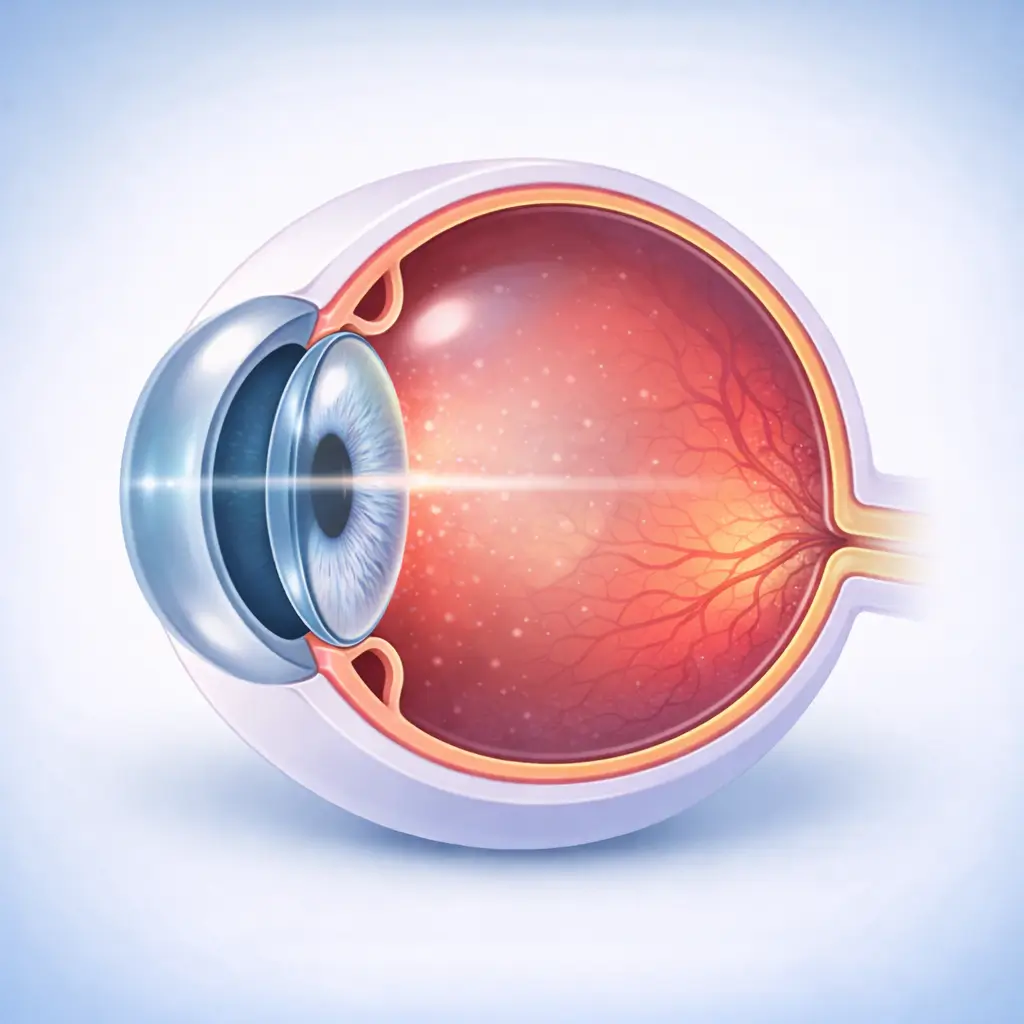
Common Symptoms
Recognizing Uveitis
Focus on the most useful decision cues first: common symptoms, the patients or situations that usually prompt review, and any signs that need faster assessment.
Common Symptoms
Signs patients often notice before evaluation
Eye pain and redness (mainly anterior uveitis)
Photophobia and tearing
Vision loss
Floaters or foggy vision
Pupil constriction or irregularity
When to Seek Evaluation
Typical patients and situations that warrant review
Young to middle-aged adults (20-50 years)
Autoimmune disease patients (ankylosing spondylitis, Behcet's)
HLA-B27 positive individuals
Red eye with pain and vision loss
Recurrent uveitis requiring systematic evaluation
Ocular symptoms in patients with systemic autoimmune diseases
Urgent Assessment
Acute anterior uveitis requires prompt treatment; delays can lead to posterior synechiae, secondary glaucoma, and other complications.
Treatment Approaches
Treatment Directions for Uveitis
Topical corticosteroids and cycloplegics (first-line for anterior uveitis)
Systemic immunosuppressive therapy (recurrent or posterior/panuveitis)
Intravitreal steroid injection (severe macular edema)
Biologic agents (refractory cases)
What usually shapes the treatment plan
Clinical Assessment
Key Assessments for Uveitis
These are the main areas doctors usually review first. If you already have relevant test or imaging reports, bring them to speed up the assessment. They are helpful but not required, and the same workup can also be completed in China.
Slit-lamp examination (anterior chamber flare, cells, KP)
Dilated fundus examination
OCT (macular edema assessment)
FFA (when indicated)
Systemic immune workup (HLA-B27, ANA, ACE, chest CT)
Before You Travel
How to Prepare
Bring previous attack records and medication history
Bring systemic immune test reports
List current systemic medications
Planning Notes
Pre-Assessment Required
Comprehensive ophthalmic examination and systemic immune screening are needed to classify uveitis, identify underlying etiology, and develop a comprehensive treatment plan.
Remote Pre-Assessment
Previous medical records, test reports, and treatment history can be submitted remotely for preliminary assessment. Acute attacks require local treatment.
Multidisciplinary Assessment
Often requires ophthalmology-rheumatology collaboration for systemic treatment of underlying autoimmune conditions, with infectious disease consultation to rule out infectious etiologies when needed.
Medical History Important
Previous attack frequency, medication responses, and systemic autoimmune disease history are crucial for treatment planning.
Ready to Explore Treatment for Uveitis?
Let Carevia help you connect with the right specialists, compare hospitals, and plan your medical trip to China.