Back to Hospitals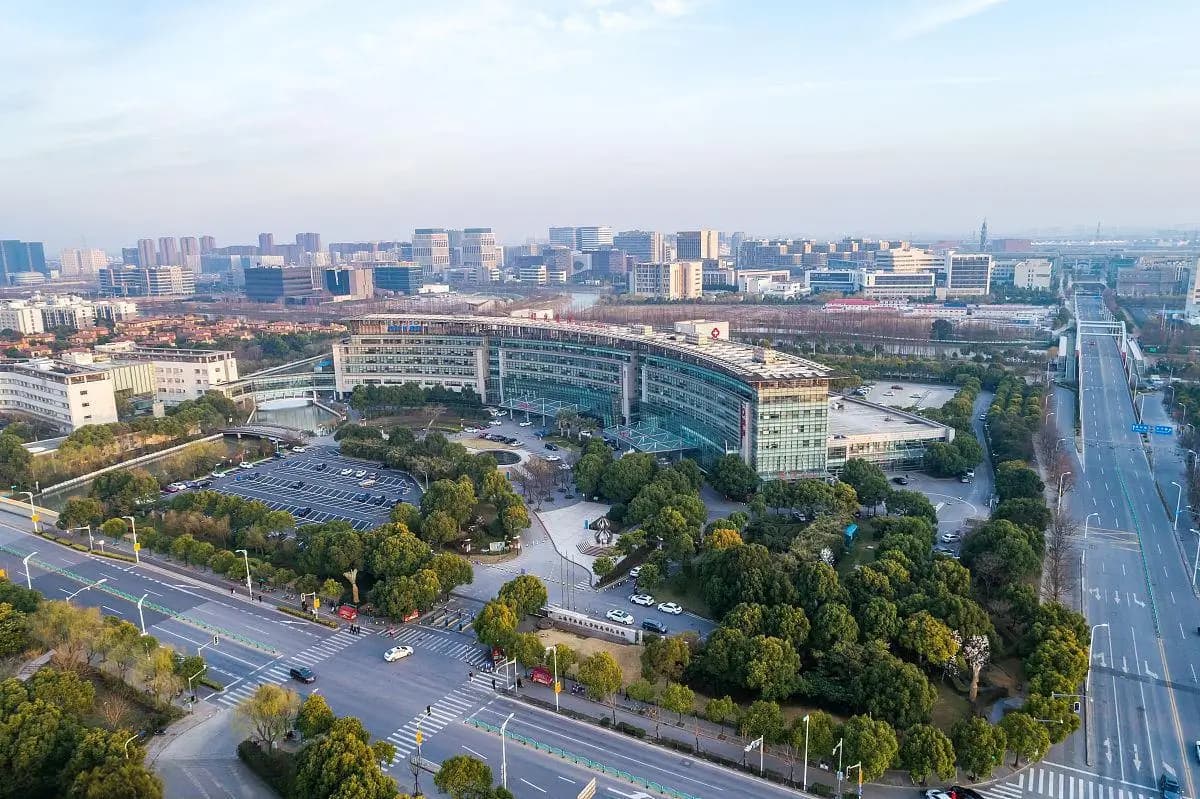
Grade III Grade A
Shuguang Hospital Affiliated to Shanghai University of Traditional Chinese Medicine
Shuguang Hospital, affiliated with Shanghai University of Traditional Chinese Medicine, is a century-old, Grade III Class A comprehensive TCM hospital in Shanghai. It is a research-oriented TCM hospital jointly established by the provincial and ministerial governments, ranking among the top ten comprehensive hospitals in Shanghai, and is a National Civilized Unit. It has been awarded the title of "Shanghai Civilized Unit" 19 times consecutively (the only one in the Shanghai health system), and has repeatedly received honors such as National Advanced Collective of the Health System and National Advanced Unit for Hospital Culture Construction. In 2001, it became the first TCM hospital in China to pass ISO9001 quality management system certification. Since 2010, the hospital has received an A-level rating in the Shanghai Shenkang Hospital Development Center's performance evaluation of municipal hospital directors 11 times, and has ranked first in the national performance evaluation of Grade III public TCM hospitals four times in five years.
The hospital has two campuses, east and west, with 1550 approved beds and 1423 open beds. The western campus is located at 185 Puan Road, Huangpu District, adjacent to the site of the First National Congress of the Communist Party of China and Xintiandi, covering an area of 28 mu (approximately 1.8 hectares). The eastern campus is located at 528 Zhangheng Road, Zhangjiang High-Tech Park, Pudong New Area, covering an area of 160 mu (approximately 10 hectares), and is a garden-style hospital integrating modern architecture and traditional features. In 2024, the hospital saw 4.2 million outpatient and emergency visits, 105,400 discharges, and 102,700 inpatient surgeries, with an average length of stay of 4.74 days. Its workload ranks among the top tertiary general hospitals in the city. Founded in 2001, the Shuguang Hospital Group currently has 16 member units.
Currently, the hospital boasts 6 national key clinical specialties, 14 key specialties of the State Administration of Traditional Chinese Medicine, 7 key specialties of the Shanghai Municipal Administration of Traditional Chinese Medicine, 8 Shanghai Municipal Advantageous Clinical Specialties (Diseases) of Traditional Chinese Medicine, 3 regional TCM treatment centers of the State Administration of Traditional Chinese Medicine (Hepatology, Endocrinology, and Public Health Research Centers), 5 municipal-level TCM specialty and disease alliances, and has established the Shanghai Eastern TCM Medical Consortium, the Pudong New Area TCM Consortium, and 2 Yangtze River Delta regional specialty alliances (Hepatology and Endocrinology). It also has 15 national-level renowned TCM doctor studios, including 1 national-level master TCM doctor inheritance studio, 30 Shanghai municipal-level renowned TCM doctor studios, and 30 renowned veteran TCM doctor academic experience inheritance studios affiliated with Shanghai University of Traditional Chinese Medicine. In 2019, the Jiang Jianqihuang Scholar Studio was established. Shuguang Hospital aims to become a research-oriented TCM hospital, supporting Shanghai University of Traditional Chinese Medicine's "Double First-Class" discipline construction goals and the construction of Shanghai's Science and Technology Innovation Center. Based on the construction of national key disciplines, key specialties, national advantageous TCM specialties, national TCM regional centers, and municipal key TCM clinical specialties, the hospital continuously promotes and enhances its disciplinary level and capabilities. Currently, the hospital has 12 key discipline construction projects, including 2 from the Ministry of Education (TCM Internal Medicine and TCM Orthopedics), 6 from the State Administration of Traditional Chinese Medicine (TCM Hepatobiliary Diseases, TCM Nephrology, TCM Infectious Diseases, Integrated TCM and Western Medicine Surgery, TCM Nursing, and TCM Information), 1 from the State Administration of Traditional Chinese Medicine (TCM Hepatobiliary Diseases), and 4 from Shanghai Municipality (TCM Internal Medicine, TCM Orthopedics, Integrated TCM and Western Medicine, and TCM Clinical Pharmacology). The hospital is also strengthening the development of academic schools of thought, adding 1 National Administration of Traditional Chinese Medicine Academic School Inheritance Studio (Shi's Traumatology), 1 Shanghai Municipal Health Commission Key Discipline, 2 Shanghai Municipal Health Commission Key Weak Disciplines, and 1 Shanghai Municipal Health Commission Key Support Discipline. It undertakes 4 projects related to the Shanghai School of Traditional Chinese Medicine under the Shanghai Administration of Traditional Chinese Medicine, 4 interdisciplinary projects, and 5 Shanghai Municipal Intangible Cultural Heritage projects.
Established
1905-03-20
Official website
www.sgyy.cn/
Snapshot
Active departments
10 active departments available in this language.
Hospital tag
Grade III Grade A
Care planning
Need help comparing departments or travel logistics?
Carevia can help you assess department fit, shortlist hospitals across cities, and coordinate translation, appointments, and post-visit travel planning.
Departments
Clinical departments at Shuguang Hospital Affiliated to Shanghai University of Traditional Chinese Medicine
10 department profiles are available for review.
Obstetrics and Gynecology
The Department of Obstetrics and Gynecology at Shuguang Hospital, a key specialty of Shanghai during the 12th Five-Year Plan period, a key specialty of the State Administration of Traditional Chinese Medicine, and a national key TCM gynecology department, boasts a strong academic atmosphere and a spirit of dedication to professional development and innovation under the leadership of its director. The department's discipline construction is also becoming increasingly comprehensive. It has been rated as an A-level department of Shuguang Hospital for many consecutive years. In the past five years, it has undertaken 26 research projects, including 6 national-level projects and 10 provincial/ministerial-level projects. It has published over 100 papers and obtained 2 patents. It has also held numerous national and municipal continuing education courses. The department has a total of 26 staff members, including 7 PhDs, 2 PhD candidates, and 12 Master's degree holders. Gynecology: Shanghai's first doctoral program in TCM gynecology. Over the past few decades, thanks to the unremitting efforts of renowned TCM doctors such as Pang Panchi, Dai Deying, Sun Zhuojun, Qi Cong, and Yin Xiuqi, it has achieved brilliant results and has consistently served as a leader in TCM gynecology in Shanghai. Currently, research and treatment in gynecological tumors, infertility, endometriosis, and pelvic inflammatory disease have reached a large-scale and systematic level. The department has successively developed many self-made preparations, including Qingre Xiaoliu Decoction, Yiqi Yangyin Decoction, Zengmian Yiliu Granules, Hongteng Mixture, Yangxue Zhibeng Decoction, Myoma No. 1 Tablets, and Myoma No. 2 Tablets. Nine in-house preparations have been registered and have received high praise from patients, winning numerous awards. For recurrent embryo transfer failure and recurrent miscarriage, Professor Qi Cong has created the unique "Pre-treatment for Damage" sequential therapy, which involves three stages: "Treatment of Embryo Arrest with Lower Fetal Development Formula - Strengthening the Spleen and Kidneys to Pre-treat Damage - Strengthening the Spleen and Kidneys to Nourish Blood and Stabilize the Fetus." The department also strongly promotes the integration of traditional Chinese and Western medicine, introducing a Western medicine obstetrics and gynecology team mainly from Renji Hospital. They actively perform vaginal surgeries, laparoscopic ovarian cystectomy, adnexectomy, myomectomy (adenomyosis) removal, hysterectomy, radical resection of malignant tumors, and various hysteroscopic surgeries. Adhering to the principles of "minimally invasive" and "rapid perioperative recovery." Obstetrics Department: Beautiful environment, complete facilities, and a highly skilled medical team with extensive experience in managing pregnancy complications. It also offers specialized services such as integrated traditional Chinese and Western medicine for pregnancy maintenance, prenatal exercises, postpartum acupressure for lactation induction, and postpartum medicinal diet therapy, resulting in high patient satisfaction.
Obstetrics and Gynecology
Pulmonary Department
The Department of Pulmonary Diseases (Respiratory Medicine) at Shuguang Hospital is a clinical department integrating medical treatment, teaching, and research, specializing in the diagnosis and treatment of respiratory diseases using traditional Chinese medicine (TCM) as the primary approach and combining TCM with Western medicine. It is a key specialty of the State Administration of Traditional Chinese Medicine, a key clinical specialty of Shanghai Municipality, a clinical pharmacology research institution for TCM respiratory diseases under the State Food and Drug Administration, the chairman unit of the Respiratory Diseases Professional Committee of the Shanghai Association of Integrated Traditional and Western Medicine, and an advanced collective in the Shanghai Municipal Health System. The department has a long history, having participated in numerous TCM scientific and technological research projects, including the national collaborative research on chronic bronchitis in the 1970s and the COVID-19 pandemic in 2020, winning numerous awards including the Ministry of Health's Class A Award, the Science and Technology Award of the China Association of Traditional Chinese Medicine, and the Shanghai Science and Technology Progress Award. In recent years, the Department of Pulmonary Diseases has actively responded to the call of the Party Central Committee and the State Council, providing technical assistance to Xinjiang and Yunnan, receiving high praise. In the prevention and control of SARS, H1N1 influenza, and COVID-19, it has leveraged the characteristics and advantages of TCM, providing assistance to Wuhan and the Shanghai Public Health Center, making positive contributions. Professor Huang Jigeng is a renowned TCM doctor in Shanghai, Director Zhang Wei is a renowned TCM doctor at Shuguang Hospital, and Deputy Director Shi Miaoyan is a senior TCM physician at Shuguang Hospital. The department houses the Huang Jigeng Famous Traditional Chinese Medicine Experience Inheritance Studio under the State Administration of Traditional Chinese Medicine, and the Bi Xiaoli and Zhang Wei Famous Traditional Chinese Medicine Studios at Shuguang Hospital. Professor Zhang Wei, the department director and academic leader, is a National Outstanding Clinical Talent of the State Administration of Traditional Chinese Medicine, a Leading Talent of Traditional Chinese Medicine in Shanghai, and serves as the Chairman of the Respiratory Diseases Professional Committee of the Shanghai Association of Integrated Traditional and Western Medicine, a Standing Committee Member of the Pulmonary Diseases Branch of the China Association of Traditional Chinese Medicine, a Standing Committee Member of the Respiratory Diseases Professional Committee of the China Association of Integrated Traditional and Western Medicine, and a member of the Respiratory Diseases Branch of the Shanghai Medical Association. Department directors Song Xiuming, Shi Miaoyan, Chen Qi, Xu Guihua, and Jiang Chunjuan have extensive clinical experience and have conducted in-depth research on the integrated traditional Chinese and Western medicine treatment of various respiratory diseases. The department currently has 1 attending chief physician and 5 associate chief physicians, and 2 retired chief physicians and 3 retired associate chief physicians. It has 30 beds and 4 respiratory intensive care units (RICUs), equipped with advanced equipment such as various pulmonary function testing equipment, electronic bronchoscopes, sleep apnea monitors, non-invasive and invasive ventilators, and central monitoring systems. After decades of inheritance and development, the Department of Pulmonary Diseases at Shuguang Hospital has gradually formed its own characteristics in the treatment of pulmonary interstitial fibrosis, chronic obstructive pulmonary disease, lung cancer (pulmonary nodules), chronic cough, and respiratory viral infections. It has 8 kinds of self-made preparations and 10 kinds of traditional Chinese medicine treatments. Patients come from all over the world, with an average of more than 200,000 outpatient visits per year. The department's unique winter disease summer treatment, which is a characteristic of Shuguang Hospital, has an average of 200,000 treatment courses per year, ranking among the top in Shanghai.
Respiratory Medicine
Proctology
Shuguang Hospital, affiliated with Shanghai University of Traditional Chinese Medicine, is a Grade III Class A comprehensive TCM hospital, one of the top ten comprehensive hospitals in Shanghai, and a national model TCM hospital. The Department of Anorectal Surgery at Shuguang Hospital is the oldest, largest, and most popular TCM anorectal department in Shanghai. The department originated in 1956 with the hemorrhoid clinic headed by Chen Zechao, a renowned hemorrhoid specialist in Shanghai. In 1990, it became the first TCM anorectal department in Shanghai, and in 1992, it was designated as the Shanghai Municipal Anorectal Disease Medical Collaboration Center. Through the guidance of three generations of leaders—Chen Zechao, Bai Liansong, and Yang Wei—it has become a key TCM specialty integrating medical treatment, teaching, and research, enjoying a high reputation both domestically and internationally. The Department of Anorectal Surgery at Shuguang Hospital is a key specialty of the State Administration of Traditional Chinese Medicine during the 12th Five-Year Plan period, the president unit of the Anorectal Professional Committee of the Chinese Women Physicians Association, a national continuing education base for anorectal professionals of the China Association of Traditional Chinese Medicine, a clinical trial institution of the State Food and Drug Administration, a clinical base for anorectal diseases of traditional Chinese medicine in Shanghai, a key clinical specialty of traditional Chinese medicine in Shanghai during the 13th Five-Year Plan period, a characteristic anorectal specialty of traditional Chinese medicine of Shanghai Municipal Health Bureau, a clinically advantageous specialty of traditional Chinese medicine in Shanghai, a doctoral training point for anorectal science of traditional Chinese medicine, and an important component department of the Shanghai School of Traditional Chinese Medicine Xia's Surgical Inheritance Research Base. It also houses the Bai Liansong Famous Doctor Studio and the Yang Wei Famous Traditional Chinese Medicine Doctor Studio. As the leading unit in the construction of the Shanghai Traditional Chinese Medicine Anorectal Specialty Alliance, it has formulated treatment plans and characteristic TCM treatment techniques for anorectal diseases at all levels of the alliance, and established a hierarchical and graded TCM diagnosis and treatment system for advantageous anorectal diseases. In accordance with the requirements of the State Administration of Traditional Chinese Medicine, the hospital has established a Key Specialty Construction Office to deploy the development plans, work plans, and specific measures to leverage the characteristics of traditional Chinese medicine and improve its clinical efficacy for each specialty. This includes identifying key diseases, conducting scientific research on challenging cases, and annually evaluating the treatment plans and clinical efficacy of each specialty. The office also proposes solutions and measures to address difficulties, continuously strengthening the promotion of traditional Chinese medicine treatment plans and the implementation of clinical pathways. Furthermore, it conducts clinical experience compilation and application, promotes the inheritance of knowledge from renowned veteran TCM doctors, and establishes a key specialty information database. The hospital applies its own preparations and specialty-specific treatment techniques in clinical practice. In recent years, the Department of Anorectal Surgery at Shuguang Hospital has undertaken two projects from the Ministry of Science and Technology during the 11th and 12th Five-Year Plans; one project from the State Administration of Traditional Chinese Medicine; and more than 20 research projects from the Shanghai Municipal Science and Technology Commission, Education Commission, and Health Bureau. Research achievements have won five awards: one third prize of the State Administration of Traditional Chinese Medicine Science and Technology Progress Award, one second prize of the Shanghai Science and Technology Progress Award, two third prizes of the Shanghai Integrated Traditional and Western Medicine Science and Technology Progress Award, and one Science and Technology Award from the China Association of Traditional Chinese Medicine. The department has trained over 70 graduate students, including 15 doctoral students, and has authored or co-authored 13 monographs. It has published over 100 papers, including 13 SCI-indexed papers with the highest impact factor of 79.258. The department possesses over ten series of self-made traditional Chinese medicine preparations. As a clinical drug trial institution, the department's TCM proctology specialty passed SFDA on-site certification in 2006. Eleven staff members have received GCP training and participated in seven drug clinical trials. Currently, the department has established standard operating procedures for TCM diagnosis and treatment of mixed hemorrhoids, anal fissures, and low-lying simple anal fistulas, as well as for postoperative TCM fumigation and washing therapy in proctology, and implements effective quality control. Simultaneously, it is conducting clinical research on TCM diagnosis and treatment standards for Crohn's fistula, high-lying complex anal fistula, circumferential mixed hemorrhoids, and outlet obstruction constipation. In 2011, the China TST Technology Training Base was established, and in 2013, the China RPH Technology Training Base was established. Every year, the department holds technical training courses to train and guide domestic and foreign anorectal professionals through surgical demonstrations and theoretical learning. The aim is to popularize new theories, introduce new technologies, and seek common improvement and development of the anorectal discipline.
Traditional Chinese Medicine Colorectal Surgery
Acupuncture Department
The Acupuncture Department emphasizes meridian differentiation and the integration of the four diagnostic methods in clinical practice. Its outpatient research focuses on brain diseases, gynecological disorders, peripheral neuropathy, and various types of pain syndromes. It has achieved good results in treating stroke (including cerebral infarction and cerebral hemorrhage) and its sequelae, post-stroke cognitive impairment, depression, brain and spinal cord lesions caused by various traumas, hereditary brain diseases, cerebral palsy in children, various types of facial paralysis, sudden deafness, uterine fibroids, menstrual disorders, endocrine disorders, various types of lower back and leg pain, osteoarthritis, and various soft tissue injuries. The department primarily uses acupuncture, supplemented by comprehensive treatments such as fumigation, hot compresses, moxibustion, and transdermal drug delivery, depending on the patient's condition. Currently, it offers 30 characteristic TCM diagnostic and treatment programs. Shuguang Hospital established its acupuncture department from its inception, boasting renowned acupuncturists such as Yang Yongxuan who provided clinical practice. The department offered outpatient and inpatient services and was a key specialty of the State Administration of Traditional Chinese Medicine during the 12th Five-Year Plan period, a key specialty disease of the State Administration of Traditional Chinese Medicine (acupuncture anesthesia), and a Shanghai Municipal Advantageous Clinical Specialty of Traditional Chinese Medicine. Currently, the department is the main base for the inheritance of the "Yang's Acupuncture" school of Shanghai-style traditional Chinese medicine, a clinical base for the inheritance studio of the national renowned veteran TCM expert (Li Ding), and a Shanghai Municipal Intangible Cultural Heritage Protection Unit for Yang's Acupuncture Therapy. The department actively inherits and promotes the academic thought of its predecessors, expands the school's advantageous disease categories, and conducts in-depth research on the mechanisms of its unique therapies. It has developed treatment plans and clinical pathways for diseases such as facial paralysis, stroke, and frozen shoulder, and has established standardized treatment techniques such as the "Eight Needles for the Neck" for the prevention and treatment of cervical spondylosis and acupuncture anesthesia. The use of traditional techniques such as bloodletting and cupping in the wards has received unanimous praise from patients. Guided by the teaching plans of the Shuguang Clinical Medical College and Shanghai University of Traditional Chinese Medicine, the Department of Acupuncture and Moxibustion focuses on classroom and clinical teaching reform, aiming to improve the quality of education and teaching, and employing meticulous teaching management. It undertakes classroom teaching and clinical observation/internship supervision of "Acupuncture and Moxibustion," "Meridian and Acupoint Therapy," and "Acupuncture and Moxibustion" for undergraduate students, seven-year program students, graduate students, physicians in standardized residency training bases, international students, and adult education students at Shanghai University of Traditional Chinese Medicine. The department is led by the department director, who assigns senior physicians to provide clinical guidance and assessment, and conducts regular academic lectures. It has trained nearly one hundred master's and doctoral students and seven-year master's students, accumulating rich teaching experience. The department has established an educational philosophy of "people-oriented, strengthening the foundation, emphasizing quality, and cultivating ability," and is committed to developing and utilizing various advanced domestic and international teaching methods to improve educational quality, strengthen students' basic theoretical knowledge and skills training, and enhance their ability to comprehensively apply knowledge, think scientifically, and practice clinically. From 2006 to 2015, the Department of Acupuncture and Moxibustion received five awards at various levels. Among these achievements are one of the "Top Ten Achievements of Healthy Shanghai" in the 30th anniversary of Shanghai's reform and opening up, one third prize of the Science and Technology Award of the China Association of Integrative Medicine, one first prize of the Shanghai Science and Technology Award for Integrative Medicine, one third prize of the Shanghai Medical Science and Technology Award, and one other award. The department holds national continuing education training courses annually. In the past decade, the department has published 82 papers, all in national core journals, including 8 SCI papers. It has also compiled 7 monographs and textbooks, including 5 as chief editor and 2 as associate editor.
Traditional Chinese Medicine Acupuncture and Moxibustion
Endocrinology Department
In recent years, the department has received funding for 7 National Natural Science Foundation of China projects (3 general projects and 4 youth projects). In the past five years, it has undertaken 16 provincial, ministerial, and municipal-level projects; published 115 papers (5 SCI papers); applied for 4 patents, and obtained 2 authorizations; its research achievements have won numerous awards, including the third prize of the Shanghai Association of Traditional Chinese Medicine Science and Technology Progress Award in 2017, the third prize of the China Association of Traditional Chinese Medicine Science and Technology Progress Award in 2018, the second prize of the Shanghai Medical Science and Technology Award, the second prize of the China Association of Integrative Medicine Science and Technology Award, and the third prize of the Shanghai Science and Technology Progress Award in 2019. The department has several hospital-prepared medications, including "Xiaoying Heji," "Lingqi Shen Oral Liquid," "Lingyi Capsules," and "Huangqi Capsules." The Department of Endocrinology currently has 40 specialized beds.
Endocrinology
Department of Gastroenterology
The Department of Gastroenterology (Spleen and Stomach Diseases) at Shuguang Hospital, affiliated with Shanghai University of Traditional Chinese Medicine, evolved from a specialized gastroenterology clinic founded by renowned physicians Huang Wendong, Zhang Boyu, and Zhang Gengmei. Led by Cai Gan, a nationally renowned TCM doctor and lifelong professor at Shuguang Hospital, the department has, after more than 30 years of development, established a stable research direction, a well-structured talent pool, and strong research competitiveness. It is one of the first five key spleen and stomach disease specialties in China. The department emphasizes the principles of TCM as the foundation, integrating TCM with Western medicine, and highlighting the distinctive characteristics of TCM. It has developed distinct advantages and characteristics in both the prevention and treatment of early gastrointestinal cancers and the prevention and treatment of functional gastrointestinal disorders. The department effectively prevents and treats chronic atrophic gastritis and precancerous lesions using traditional Chinese medicine (TCM) syndrome differentiation and treatment, along with in-house preparations such as Elian granules and Qingwei compound. Combined or sequential TCM therapy improves the eradication rate of Helicobacter pylori. TCM decoctions or pastes regulate the body's constitution to prevent recurrence after colorectal polyp surgery. TCM syndrome differentiation and treatment, in-house preparations such as Huangxing Runchang tablets and Changjitai, and TCM plasters show outstanding efficacy in treating various functional gastrointestinal disorders. For ulcerative colitis and Crohn's disease, in addition to standard Western medicine treatment, comprehensive treatment including oral TCM, enemas, and moxibustion promotes mucosal healing and rapidly induces remission, demonstrating distinctive TCM characteristics. In recent years, under the leadership of Professor Gong Biao, a nationally renowned expert in digestive diseases, the department has strengthened modern medical diagnostic and treatment techniques and methods, possessing professional diagnostic and treatment equipment such as gastrointestinal endoscopes, ERCP, endoscopic ultrasound, and capsule endoscopy. It can perform various complex ERCP diagnostic and treatment techniques, gastrointestinal polyp treatment techniques (ESD/EMR), esophageal and gastric fundus vein treatment techniques (ligation, injection), and other rich endoscopic diagnostic and treatment techniques. Simultaneously, the department emphasizes the integration of traditional Chinese and Western medicine, organically combining them. Post-ERCP procedures, oral, topical, and enema administration of traditional Chinese medicine are employed to effectively prevent complications such as acute pancreatitis. For chronic pancreatitis, integrated traditional Chinese and Western medicine treatment effectively alleviates chronic abdominal pain, improves digestive and absorptive functions, and enhances patients' quality of life. The department has achieved good results and a strong reputation in the diagnosis and treatment of pancreatic and biliary diseases based on ERCP using integrated traditional Chinese and Western medicine. Currently, the department has wards and outpatient clinics in both the east and west campuses, offering specialized outpatient clinics for various pancreatic, biliary, and gastrointestinal diseases. The department has 5 chief physicians, 6 associate chief physicians, and 5 attending physicians; 6 medical doctors and 10 master's degree holders; 2 doctoral supervisors and 4 master's supervisors. Two are national outstanding clinical talents in traditional Chinese medicine, one is an academic successor of the national master of traditional Chinese medicine Zhang Jingren, and three are national renowned traditional Chinese medicine academic successors. The department has presided over more than 20 national and provincial-level research projects, published more than 200 papers, and compiled more than 30 textbooks and monographs. It has won one National Science and Technology Progress Award and three Shanghai Science and Technology Progress Awards.
Gastroenterology
Cardiology
The Department of Cardiology at Shuguang Hospital, formerly known as the "Western Medicine Internal Medicine Department of Siming Hospital," was established in 1943. Among its physicians at that time were Dong Chenglang, a founder of cardiology in China, as well as Yu Songwen and Jin Jun. It was formally established as a cardiovascular specialty in 1995. Its past directors include renowned professors and physicians such as Xu Yushan, Du Zhenbang, Lei Depei, Hu Wanying, and Ji Wenhuang. The Department of Cardiology at Shuguang Hospital is a National Key Clinical Specialty (Traditional Chinese Medicine Cardiovascular Medicine), a deputy leader unit of the National Administration of Traditional Chinese Medicine's Key Specialty Heart Failure Disease, a branch of the Ministry of Education's Key Discipline of Traditional Chinese Medicine Internal Medicine, a test preparation base of the National Administration of Traditional Chinese Medicine's Physician Qualification Certification Center, a National Clinical Drug Trial Base (Traditional Chinese Medicine Cardiovascular Specialty), and a National Training Base for Interventional Diagnosis and Treatment of Cardiovascular Diseases. It is also a key discipline of integrated traditional Chinese and Western medicine in cardiovascular diseases in Shanghai, a key clinical specialty construction project of Shanghai (Traditional Chinese Medicine Cardiology), a project of Shanghai Traditional Chinese Medicine Three-Year Action Plan (Traditional Chinese Medicine Cardiology Specialty Alliance), and the chairman unit of the National Traditional Chinese Medicine Regional Treatment Center Coronary Heart Disease Clinical Research Alliance. The department has been certified and awarded the titles of China Heart Failure Center, China Chest Pain Center, China Hypertension Control Center, and China Atrial Fibrillation Center. It is the clinical inheritance and research base of the Ding Family Internal Medicine School of Shanghai-style Traditional Chinese Medicine, founded by Yan Cangshan and Zhang Boyu, and the affiliated unit of the National Famous Traditional Chinese Medicine Practitioner Yan Shiyun Inheritance Studio and the Shanghai Famous Traditional Chinese Medicine Practitioner Hu Wanying Studio. It houses the Shanghai Municipal Health Bureau's Level II Cardiovascular Disease Laboratory and is a training center for Master's and Doctoral students in Traditional Chinese Medicine Internal Medicine and Integrated Traditional Chinese and Western Medicine. The department has undertaken more than 40 major projects, including the National Science and Technology Ministry's "Seventh Five-Year Plan" key projects, the National Major Science and Technology Project "Twelfth Five-Year Plan" projects, the 863 Program, the Major New Drug Project, and the National Natural Science Foundation of China, obtaining 16 patents. It has also developed several in-house preparations, including "Compound Blood-Draining Capsules," "Ophiopogon Injection," "Shuanglong Pills," "Deer Antler Formula," "Kanli Granules," and "Heart-Strengthening Drink." The department focuses on specialized treatments such as heart failure, coronary heart disease, and hypertension. It treats different stages of chronic heart failure using methods that combine "heart and kidney treatment" and "treating the heart from the perspective of the five internal organs." It has developed effective and standardized prescriptions such as Deer Antler Formula, Kanli Granules, Heart-Strengthening Drink, and Heart-Activating Formula. The department also widely implements traditional Chinese medicine techniques and treatments, such as relaxation exercises, foot bath therapy, auricular acupuncture for lowering blood pressure, and acupoint application, to improve the symptoms of patients with coronary heart disease and hypertension. The department adheres to the principle of integrating traditional Chinese and Western medicine, performing various modern cardiovascular diagnostic and treatment techniques such as coronary angiography, stent implantation, radiofrequency ablation, and pacemaker implantation, thus improving its ability to handle complex, difficult, and critically ill patients.
Cardiology
Nephrology Department
The Department of Nephrology at Shuguang Hospital, affiliated with Shanghai University of Traditional Chinese Medicine, was established in the 1950s and is one of the earliest TCM-based nephrology departments in China. Under the guidance of renowned TCM doctors and nephrologists such as Professors Tong Shaobo, Yu Zhiding, Zhong Nianwen, and Zheng Pingdong, its integrated TCM and Western medicine clinical treatment and scientific research innovation are among the best in the country. The department specializes in the TCM and integrated TCM and Western medicine treatment of chronic renal failure, IgA nephropathy, chronic nephritis, chronic urinary tract infections, chronic tubulointerstitial kidney disease, and diabetic nephropathy. It has developed a series of in-house preparations, including Yishen Zhisui Granules (Kidney Failure Granules), Huangqi Xiaobai Granules, Xue Niao Ling Granules, and Huangqi Capsules, as well as unique prescriptions such as Guben Tongluo Granules, Wuzi Yishen Oral Liquid, Huayu Paishi Decoction, and Uric Acid-Lowering Formula. In 2017, the department recruited Professor Ye Chaoyang, Chief Physician, from the Nephrology Department of the former Changzheng Hospital affiliated with the Second Military Medical University and the PLA Nephrology Research Institute. This expanded the Western medical treatment concepts and advanced technologies for kidney diseases, increased the scale of the blood purification center, emphasized the development of various vascular access technologies, conducted clinical research on vascular access, and improved the ability to rescue patients with various acute and chronic multiple organ dysfunction syndromes. To promote discipline development and business growth, the Nephrology Department highlights the complementary advantages of traditional Chinese medicine inheritance and modern innovation. With the aim of improving clinical efficacy, it uses the academic experience studio of renowned veteran TCM doctors as a platform to inherit and promote the academic thoughts and clinical experience of renowned veteran TCM doctors, continuously improve the level of TCM and integrated TCM and Western medicine diagnosis and treatment, establish the distinctive advantages of TCM in the diagnosis and treatment of kidney diseases, develop a distinctive brand, and build a superior discipline with stronger technical strength, significant clinical efficacy, larger facilities, and wider social influence, attracting patients with chronic kidney disease from all over the country, especially East China, to seek treatment there. The department currently has 107 inpatient beds and 80 hemodialysis beds. In the past three years, it has admitted and discharged over 4,316 inpatients annually, treated over 148,000 outpatients, and performed 45,000 hemodialysis procedures annually. In June 2019, the Shuguang Hospital Nephrology Specialty Alliance was established, laying a solid foundation for expanding the medical, educational, and research capabilities of Shuguang Hospital and for collaborative research. Currently, it is the leading unit of the Nephrology Professional Committee of the Shanghai Municipal Association of Traditional Chinese Medicine and the chairman unit of the Shanghai Municipal Committee of Integrated Traditional Chinese and Western Medicine for Hemodialysis. The department has 30 senior-level staff members, including 8 senior professionals, 8 associate senior professionals, 6 intermediate professionals, and 4 junior professionals. Among them are 16 with doctoral degrees, 12 with master's degrees, 4 doctoral supervisors, 11 master's supervisors, 2 renowned TCM doctors in Shanghai, 2 renowned TCM doctors of Shuguang Hospital, 1 leading talent in Shanghai, 1 leading medical talent in Shanghai, 1 outstanding academic leader in Shanghai, 1 national outstanding TCM clinical talent, 2 inheritors of the academic experience of veteran TCM experts in the fifth batch of national training, and 1 Xinglin Scholar. The research findings have won over 20 science and technology progress awards at various levels, including the first prize of Shanghai Science and Technology Progress Award and the second prize of Ministry of Education Science and Technology Progress Award. Ten patents have been granted, and over 700 academic papers have been published domestically and internationally, including over 50 SCI articles. More than 20 monographs have also been published. Ten researchers have conducted experimental studies on the molecular biology of chronic renal failure, chronic nephritis, chronic tubulointerstitial nephropathy, and polycystic kidney disease in the United States, Japan, and France. The research results have been published in leading international nephrology journals such as *JASN*, *Kideny Int.*, *Faseb*, *JBC*, *Nephron*, *JCI*, *Clinical Nephrology*, *Nephrology*, *World Journal of Urology*, and *Renal Failure*, placing the research team at the forefront of clinical research in traditional Chinese medicine for kidney diseases in China.
Nephrology
1/2