Back to Hospitals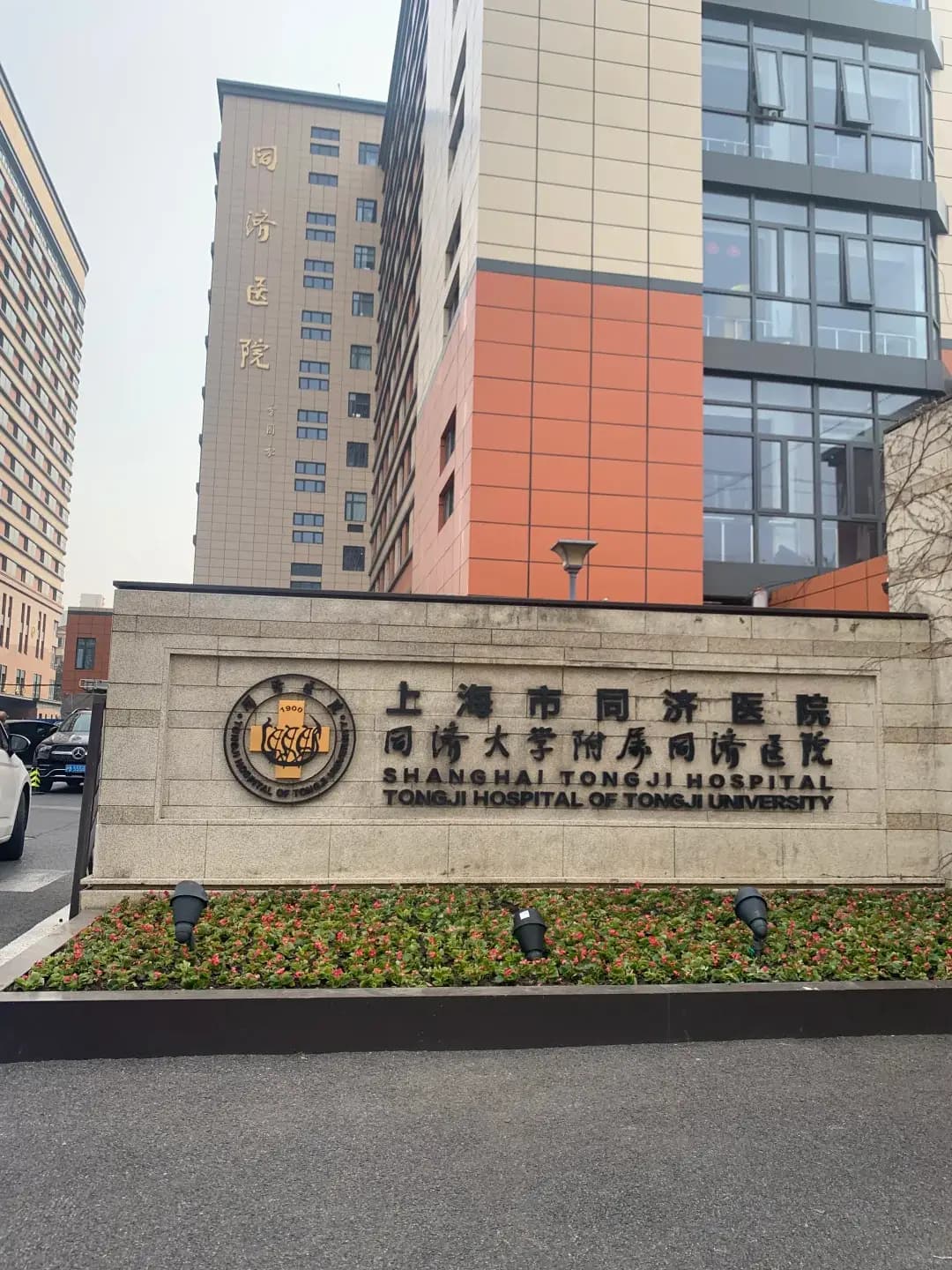
Grade III Grade A
Shanghai Tongji Hospital
Founded in 1991, Ganquan Hospital bore the responsibility and mission of Tongji University to revitalize Tongji Medical School. In 2000, at the beginning of the new century, it merged with Tongji University and was renamed Tongji University Affiliated Tongji Hospital. The name "Tongji Hospital" once again stood tall on Shanghai's soil, embarking on a new journey. In 2010, Tongji Hospital was transferred to the Shanghai Municipal People's Government and placed under the jurisdiction of the Shanghai Shenkang Hospital Development Center, jointly managed by Tongji University and the Shanghai Shenkang Hospital Development Center. Today, carrying the century-old medical dream of Tongji University, Tongji University Affiliated Tongji Hospital, under the witness of history, has repeatedly awakened the spirit of Tongji. Under the leadership of Tongji University and the Shanghai Shenkang Hospital Development Center, it has worked together diligently and strived to climb one medical peak after another.
Tongji Hospital, affiliated with Tongji University, is the only Grade III Class A comprehensive hospital in Putuo District. It has 1,100 approved beds and over 1,300 open beds, handling over 2 million outpatient and emergency visits annually, more than 80,000 inpatients, and over 40,000 surgeries. The hospital boasts an advanced stroke center, chest pain center, and trauma treatment center. In terms of discipline development, its hematology department's refractory and relapsed hematologic malignancies cell therapy system and its orthopedics spinal rehabilitation specialty have been selected for the National Key Clinical Discipline Construction Project. The hospital possesses Shanghai's key clinical disciplines in orthopedics and neuropsychiatry; Shanghai's key discipline in cardiology; and Shanghai's key clinical specialties in psychiatry, spinal surgery, and gastroenterology. Its emergency and critical care medicine, geriatrics, psychosomatic medicine, and pharmacy departments have been selected for Shanghai's important weak discipline construction plan; its laboratory medicine department has been selected for Shanghai's three-year public health action plan; its clinical pharmacy department has been selected for Shanghai's key clinical pharmacy specialty construction project; and its psychosomatic medicine and rehabilitation medicine departments have been selected for Shanghai's key supported disciplines. The hospital has established a comprehensive disciplinary framework with orthopedics, medical imaging, and hematology as key disciplines; gastroenterology, neurosurgery, urology, laboratory medicine, and cardiology as key disciplines; sports medicine, respiratory and critical care medicine, psychiatry, ophthalmology, endocrinology and metabolism, rehabilitation medicine, neurology, and nephrology as key development disciplines; and anesthesiology, hepatobiliary surgery, breast surgery, pathology, obstetrics and gynecology, and general surgery as distinctive disciplines. Integrating its disciplinary advantages and based on multidisciplinary collaboration, the hospital has become a large-scale comprehensive diagnosis and treatment center for emergency, critical, and complex diseases in northwest Shanghai. It has established an integrated emergency trauma treatment platform and Shanghai's first officially designated finger replantation center. Its clinical and basic research in areas such as interventional treatment of geriatric cardiovascular diseases, treatment of severe trauma and critical illnesses, stem cell regeneration for spinal cord injury repair, diagnosis and rehabilitation of movement disorders, tumor immunotherapy, minimally invasive reconstruction of female pelvic floor dysfunction, severe neuropsychiatric diseases, and comprehensive minimally invasive diagnosis and treatment of gastrointestinal tumors are at an internationally advanced level.
Tongji Hospital, relying on the profound foundation of Tongji University, has established a national-level "International Science and Technology Cooperation Base—International Joint Research Center for Stem Cells and Regenerative Medicine," a "Key Laboratory of Spinal Cord Injury Regeneration and Repair of the Ministry of Education," and a Shanghai municipal-level "Exemplary Research Ward." It boasts a high-level expert team represented by national-level "Outstanding Young and Middle-aged Experts," CJ Scholars, "Experts Receiving Special Government Allowances from the State Council," "National Outstanding Physicians," recipients of the national "Hundred, Thousand, Ten Thousand Talents Project," chief scientists of the National Key Research and Development Program, recipients of the National Natural Science Foundation of China's Outstanding Youth Award, National Natural Science Foundation of China's Excellent Youth Award, National Natural Science Foundation of China's Excellent Youth Award (Overseas), Shanghai "Leading Talents," Shanghai Science and Technology Elites, Shanghai Outstanding Talents, Shanghai "Outstanding Academic Leaders," and Shanghai "Oriental Talents." It has constructed a full-cycle talent introduction, cultivation, and training system, from the "Wu Mengchao Scholarship," "Gan Quan Rising Star," "Outstanding Youth," "Chief Expert," to "Lifetime Professor," creating a talent team with Tongji characteristics. In recent years, the institute has undertaken more than 50 national key projects, including the National Key Research and Development Program, the National Science and Technology Major Project, the 973 Program, the 863 Program, the Science and Technology Support Program, international science and technology cooperation projects, and major projects, key projects, and major instruments funded by the National Natural Science Foundation of China. Research findings have been published in high-quality academic journals such as *Science*, *Nature*, *Cell*, *Nature Neuroscience*, *Lancet Haematology*, *Blood*, *Annals of Surgery*, *Anesthesiology*, *British Journal of Anesthesiology*, and *Advanced Science*. The institute has received numerous high-level research awards, including the Second Prize of the National Natural Science Award, the First Prize of the Ministry of Education's Natural Science Award, the First Prize of the Ministry of Education's Science and Technology Progress Award, the First Prize of the Shanghai Science and Technology Progress Award, the Shanghai International Science and Technology Cooperation Award, and the First Prize of the Shanghai Natural Science Award.
Established
1905-06-13
Official website
www.tongjihospital.com.cn/
Snapshot
Active departments
21 active departments available in this language.
Hospital tag
Grade III Grade A
Care planning
Need help comparing departments or travel logistics?
Carevia can help you assess department fit, shortlist hospitals across cities, and coordinate translation, appointments, and post-visit travel planning.
Departments
Clinical departments at Shanghai Tongji Hospital
21 department profiles are available for review.
Pathology Department
The Department of Pathology has developed four subspecialties: thoracic diseases, digestive diseases, lymphohematopoietic diseases, and breast and female reproductive system diseases. It has established a distinctive specialty in respiratory and mediastinal pathology diagnosis, particularly in the diagnosis of lung and pleural tumors, interstitial lung disease (ILD), tuberculosis and sarcoidosis, and occupational lung diseases, where it holds a leading position in China. It performs 50,000 histopathological diagnoses and 30,000 cytological diagnoses annually. The department offers immunohistochemistry, special staining, molecular pathology examinations for tumor diagnosis and targeted therapy (FISH, gene rearrangement, microsatellite instability analysis, first-generation sequencing, NGS), tumor cell drug sensitivity testing, and molecular detection of pathogenic microorganisms (EBV in situ hybridization, NGS). Internationally, it pioneered the non-invasive diagnosis of pulmonary alveolar proteinosis using induced sputum combined with transmission electron microscopy; it was among the first in China to perform cryoablation for the diagnosis of complex lung diseases; and it undertakes consultations for complex respiratory diseases nationwide.
Pathology
General Surgery
In January 2021, the hospital recruited Professor Hu Zhiqian (and his team), a renowned domestic gastrointestinal surgeon, vice president of the Colorectal Surgeons Branch of the Chinese Medical Association, former director of the Department of General Surgery at Changzheng Hospital, and doctoral supervisor, to serve as the department director. The department performs over 2,000 complex and major surgeries annually, specializing in minimally invasive radical resection of gastrointestinal tumors, sphincter-preserving surgery (ISR) for very low rectal cancer, non-scarring laparoscopic resection of colorectal cancer (NOSES), function-preserving laparoscopic minimally invasive radical resection of early gastric cancer, organ-preserving pancreatic tumor resection, precise combined hepatic segment resection for intrahepatic bile duct stones, modified radical mastectomy for breast cancer via small incision, precise localization and resection of small breast tumors, minimally invasive endovascular treatment, and reconstruction of complex abdominal wall defects. The neoadjuvant therapy performed for locally advanced colorectal cancer and gastric cancer has significantly improved patient survival. Building upon tradition, we continuously update our concepts, adhere to standardized, minimally invasive, functional, and individualized treatment of gastrointestinal tumors, and have established multidisciplinary treatment teams (MDTs) for gastrointestinal and hepatobiliary tumors to provide precise and individualized treatment for patients with advanced tumors.
General Surgery
Obstetrics and Gynecology
The department has established a development direction specializing in minimally invasive gynecological surgery, female pelvic floor dysfunction, and high-risk obstetrics. It established the first pelvic floor disease diagnosis and treatment center in China, and its gynecological pelvic floor surgeries, both in terms of difficulty and volume, have long been among the most advanced in the country, wielding significant influence in the professional field. It was one of the earliest units in Shanghai to perform laparoscopic and hysteroscopic surgeries. In 2010, it became one of the first national-level IV gynecological endoscopy training bases in Shanghai, and its minimally invasive gynecological diagnosis and treatment techniques have reached the advanced level nationwide. In 2009, the obstetrics and gynecology department established an assisted reproductive technology subspecialty, maintaining the highest success rate in East China for many consecutive years. In 2014, it successfully assisted a 49-year-old woman with in vitro fertilization using her own eggs, resulting in the delivery of twins, becoming the oldest case of this type of assisted reproductive technology in the world.
Obstetrics and Gynecology
Breast Surgery Center
The department is a leader in the early diagnosis and precise localization of breast tumors in China, and performs ultrasound, X-ray, and MRI hook needle localization and minimally invasive excision for small breast tumors. The breast-conserving surgery rate for breast cancer is over 50%, on par with international standards, emphasizing the preservation of breast function while radically removing the tumor. The department is also a leader in China in breast-conserving surgery with volume shifting, sentinel lymph node biopsy, breast-conserving repair of central breast cancer, and preventing postoperative breast collapse and deformity.
Surgery
Hepatobiliary Surgery Center
He has published more than 50 papers in SCI journals such as Clinical and Translational Medicine, International Journal of Biological Sciences, and American Journal of Physiology-Gastrointestinal and Liver Physiology.
Surgery
Nephrology
The Department of Nephrology is a Shanghai Municipal Women's Civilized Post, a doctoral (postdoctoral) and master's degree granting unit of Tongji University, a Shanghai Municipal Nephrology Specialty Training Base, a municipal-level blood purification training base designated by the Ministry of Health, a member unit of the Shanghai Municipal Nephrology Quality Control Committee, a member unit of the Shanghai Municipal Blood Purification Quality Control Committee, and a featured discipline of Tongji Hospital. The ward has 50 beds and discharges more than 2,000 patients annually. It has a peritoneal dialysis and hemodialysis center with 50 hemodialysis machines and 10 CRRT machines. It offers specialized outpatient clinics for chronic kidney disease comprehensive management, hemodialysis, peritoneal dialysis, diabetic nephropathy, membranous nephropathy, and IgA nephropathy. Tongji Hospital's Department of Nephrology has been ranked among the top 100 in the China Hospital Science and Technology Influence (STEM) rankings for five consecutive years. Through decades of development by Professor Yu Chen, the department has formed three sub-specialties. Sub-specialty feature one: treatment of critically ill kidney disease. The department implements multiple blood purification techniques and performs over a thousand CRRT treatments annually, successfully treating critically ill kidney disease patients in northwest Shanghai. Subspecialty Feature Two: Renal Rehabilitation. As one of the earliest departments in Shanghai to manage chronic kidney disease, in recent years the department has further developed renal rehabilitation treatment for end-stage and dialysis patients, establishing a systematic, comprehensive chronic disease management system. Simultaneously, as the leading unit of the Shanghai Renal Rehabilitation Committee, it spearheads a series of innovative initiatives for renal rehabilitation. Subspecialty Feature Three: Hemodialysis Treatment. Currently, the center serves over 400 maintenance dialysis patients, including over 200 hemodialysis patients and over 200 peritoneal dialysis patients. The department performs over 250 complex dialysis access surgeries annually.
Internal Medicine
Ophthalmology
The Department of Ophthalmology at Tongji Hospital, affiliated with Tongji University, has been led by three academic leaders: Wang Jinbao, Li Jinwen, and Rong Ao. The current director is Professor Bi Yanlong. With the concerted efforts of all colleagues, the department has achieved comprehensive development in medical treatment, teaching, research, and prevention. In the 2021 STEM (Science, Technology, Engineering, and Mathematics) ranking of ophthalmology in Chinese hospitals published by the Chinese Academy of Medical Sciences, it ranked 56th nationwide; and in the 2021 ranking of ophthalmology in Chinese hospitals by influence, it ranked 6th in Shanghai. Leveraging the resources of Tongji Hospital affiliated with Tongji University, the Institute of Ophthalmology of Tongji University School of Medicine, and the Department of Ophthalmology at the University of Cologne, Germany (an international collaborative unit), the team utilizes a domestically leading anterior and posterior segment combined surgery based on a holistic view of eye diseases as its clinical technological barrier. Based in Shanghai, the team serves patients nationwide with refractory eye diseases. Team members have received honors such as "Top Ten Medical Contribution Experts" and "Tongji Renowned Doctors." The team is deeply involved in medical device research and development and transformation, promoting the transformation and application of new medical devices through collaborations between medical institutions, universities, and enterprises, empowering new clinical technologies. Several achievements have won gold and silver awards in the Shanghai Excellent Invention Selection Competition for Employee Technological Innovation, and first and second prizes in the Shanghai Starlight Program. The team has established a stem cell bank network and key technology platform, becoming a national stem cell technology training base and a platform for stem cell information dissemination and exchange. The team is committed to scientific research on eye diseases across all age groups and the entire life cycle, forming a basic-clinical research system for eye disease prevention and treatment, particularly in diabetic retinopathy and cataracts. The research has achieved internationally renowned results, winning numerous awards including the Ministry of Education's Science and Technology Progress Award and the Shanghai Science and Technology Award. Adhering to the original aspiration of nurturing talent, the team continuously develops and improves its ophthalmology talent training system to meet the requirements of the new era. The team has been approved as a national first-class undergraduate course, several key courses of Shanghai universities, and first-class undergraduate courses. Under its guidance, students have won second prize in the National College Students Innovation Forum and Experimental Design Competition, a gold medal in the China International Internet+ College Students Innovation and Entrepreneurship Competition, and a bronze medal in the Shanghai division. The team has also cultivated more than ten recipients of the Shanghai Youth May Fourth Medal and Shanghai Outstanding Graduates. Facing national strategies and fulfilling social responsibilities, the team has constructed a comprehensive online and offline "publicity-diagnosis-treatment" volunteer service system at Tongji University, themed "Sharing the Same Boat, Safeguarding Light." The team's institution has been appointed as a standing director unit of the Ministry of Education's National College Students Myopia Prevention and Control Publicity Team. The team has won numerous awards, including second prize in the Shanghai Youth Medical Science Popularization Ability Competition, third prize in the Shanghai Zhixing Cup College Students Social Practice Competition, and the Shanghai Youth Volunteer Service Project Excellence Award. The Department of Ophthalmology at Tongji Hospital, affiliated with Tongji University, is a member unit of the Teaching Steering Committee for Higher Education Institutions under the Ministry of Education, the deputy leader unit of the Shanghai Fundus Disease Group and the Shanghai Ocular Immunology Group, a key course construction unit of Shanghai universities, the executive deputy leader unit of the Tongji University Eye Research Institute, a national drug clinical trial base, a doctoral degree granting unit in ophthalmology under the Ministry of Education, a standardized residency training base in Shanghai, a corneal transplant surgery access unit in Shanghai, a cataract surgery access unit in Shanghai, a national corneal transplant quality control unit, a national orbital disease quality control unit, and a Shanghai Putuo District ophthalmology quality control unit. The department boasts numerous recipients of talent programs, including the Ministry of Education's New Century Excellent Talents Program, Shanghai Municipal Health System Outstanding Academic Leaders Program, Shanghai Municipal Outstanding Young Teachers Program, Tongji University's Climbing A-level High-level Talent Program, Shanghai Putuo District's High-level A-level Talent Program, Tongji University's Talent Cultivation Award Teacher Program, Taihe Excellent Medical Education Lecturer Program of the Medical School, and Tongji Hospital's Outstanding Young Talent Program. The department boasts an internationally standardized laminar flow operating room and advanced medical equipment, including: a German Zeiss Cirrus HD-OCT, Zeiss OCTA, Zeiss Visucam lite 8 fundus camera, IOL Master, NIDEK ARK-510A comprehensive optometry system, an American ALCON vitrectomy-phacoemulsification system (Constellation), an Alcon CENTURION phacoemulsification system, a Zeiss S88 surgical microscope, a Zeiss intraoperative OCT, an Octopus fully automated perimeter, a Coherent multi-wavelength fundus laser treatment system, an Ellex YAG/SLT laser, an Oculus Pentacam refractive analyzer, an Oculus ocular surface analyzer, an HRT confocal laser microscope, multifocal electrophysiology equipment, ophthalmic A/B ultrasound, a UBM ultrasound microscope, and a fundus fluorescein angiography system, among other high-end medical equipment, providing patients with the most comprehensive and high-quality medical services.
Ophthalmology
Department of Endocrinology and Metabolism
Diagnosis and Treatment of Osteoporosis: Osteoporosis is a common disease among the elderly; while the number of patients with specific bone diseases is smaller, the variety of types and the severity of harm make them complex diseases. The Department of Endocrinology was among the first in Shanghai to conduct a full range of bone metabolism-related indicator tests; it uses the most advanced dual-energy X-ray absorptiometry (DEXA) to measure bone mineral density; it provides standardized and individualized diagnosis and treatment for osteoporosis; and it employs innovative methods for the diagnosis and treatment of specific bone diseases, improving diagnostic accuracy and treatment effectiveness. Diagnosis and Treatment of Diabetes: The department has extensive experience in the treatment of acute complications of diabetes, such as diabetic ketoacidosis, hyperosmolar hyperglycemia, and lactic acidosis, with a high success rate, ranking among the top in the city in terms of the number of cases treated annually. It possesses a continuous glucose monitoring system (CGMS) and insulin pumps, enabling it to precisely develop individualized blood sugar control plans for patients; and it has established a standardized and comprehensive examination system to accurately assess and treat various chronic complications. For the most challenging condition in the field, "diabetic foot," we have established a multidisciplinary outpatient clinic in collaboration with foot and ankle surgery, interventional radiology, and wound repair departments. With the goal of "limb preservation and function preservation," we provide early screening and treatment for diabetic neuropathy and diabetic foot disease, as well as standardized assessment of acute and chronic wounds related to diabetic foot, enabling early identification, standardized, and precise treatment of diabetic foot disease. Thyroid Disease Treatment: Our department has long operated a specialized thyroid outpatient clinic, specializing in the diagnosis and treatment of various thyroid diseases. Hyperthyroidism and hypothyroidism are common and frequently occurring diseases, and the department places particular emphasis on differential diagnosis and standardized treatment. We have also accumulated rich experience in the diagnosis and treatment of thyroid storm, thyroid-associated ophthalmopathy (GEO), and hyperthyroid heart disease. Our department also leads multidisciplinary consultations for thyroid nodules, achieving one-stop diagnosis and treatment. We pay special attention to the differential diagnosis of benign and malignant thyroid nodules, using the internationally recognized fine-needle aspiration biopsy method for pathological analysis, thereby achieving early detection and treatment of thyroid cancer, and improving prognosis through standardized postoperative follow-up for thyroid cancer. Endocrine hypertension: Endocrine hypertension (including primary aldosteronism, pheochromocytoma, Cushing's syndrome, etc.) responds poorly to drug treatment, but most cases can be cured once the underlying cause is identified. Our department can perform a full range of qualitative and localization examinations related to endocrine hypertension (including adrenal vein catheterization for blood analysis). We also collaborate with urology, radiology, and laboratory departments, accumulating rich experience in diagnosing and treating complex and difficult cases.
Endocrinology
1/3