Back to Hospitals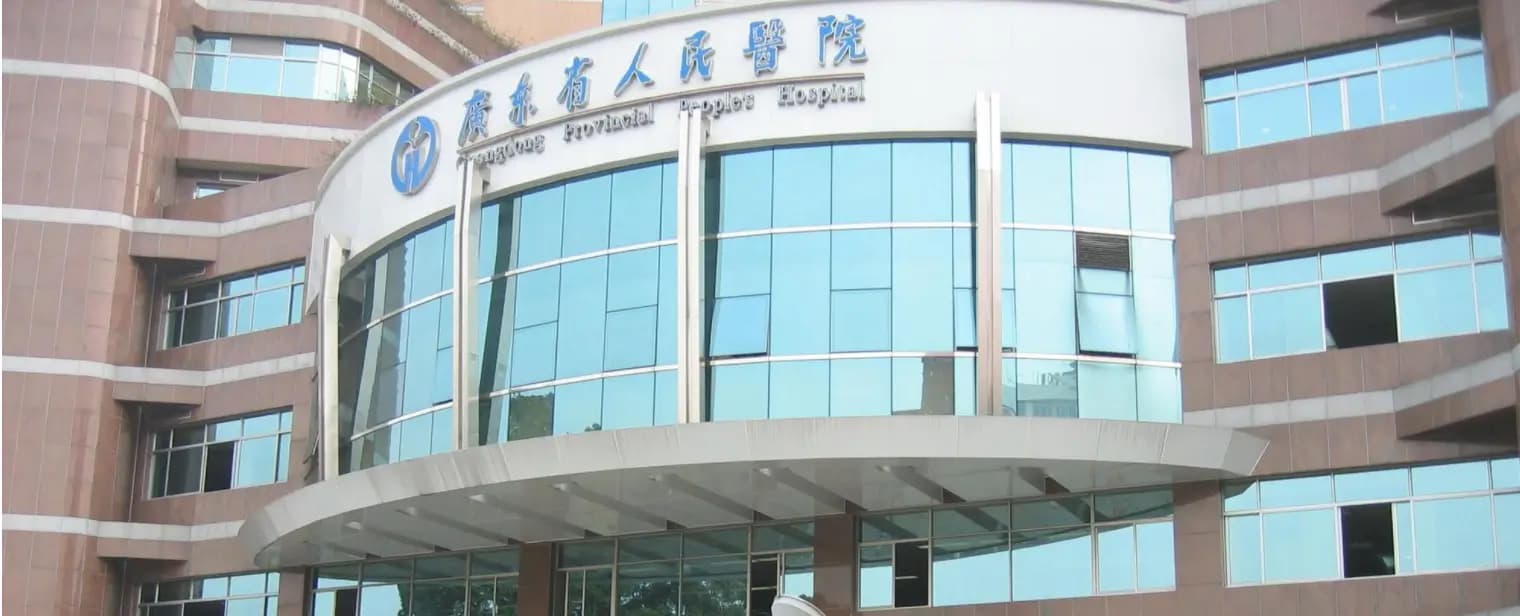
Grade III Grade A
Guangdong Provincial People's Hospital
Introduction to Guangdong Provincial People's Hospital (Guangdong Academy of Medical Sciences): Founded in 1946, Guangdong Provincial People's Hospital (Guangdong Academy of Medical Sciences) was formerly known as Guangzhou Central Hospital. Through the joint efforts of several generations, it has become a large-scale, modern, tertiary-level Class A comprehensive hospital integrating medical treatment, education, and research, enjoying a high reputation both domestically and internationally. Since 2019, it has consistently ranked among the top in the national performance evaluation of tertiary public hospitals. In 2023, it received the highest rating of A++ in the national performance evaluation of tertiary public hospitals, ranking among the top 1% nationwide. It was awarded one of the "Top 10 Best Employer Public Hospitals" and "Top 10 Most Popular with University Students" in the national medical institutions for 2022-2024. Founded by Distinguished Experts, with Unwavering Commitment: Dr. Li Ting'an, the first president of Guangdong Provincial People's Hospital, graduated from Peking Union Medical College and received a doctorate from Harvard University. He is a pioneer in my country's public health cause. Dr. Zhong Shifan, the second president, graduated from Peking Union Medical College and received a doctorate from the State University of New York. He is a renowned pediatrician and a national first-class professor. In 1949, on the eve of the nationwide liberation, he refused the Kuomintang's order to evacuate to Taiwan overnight with a huge sum of money, and in 1950, he handed over the hospital intact to the new China. At its inception, the hospital attracted a large number of renowned experts, laying a solid foundation for its development. Generations of staff at the provincial hospital have been dedicated to protecting the people's health, relentlessly tackling difficult and critical illnesses, and repeatedly achieving national and provincial firsts. In 1964, they successfully performed hypothermic, low-flow, partial cardiopulmonary bypass surgery using a domestically produced Type II artificial heart-lung machine, a first in Central and Southern China. In 1972, they performed the first coronary angiography in the country. In 1975, they successfully completed the first aortic valve replacement surgery in China. In 1985, they pioneered balloon mitral valve repair surgery for rheumatic heart disease patients in China. In 1987, they completed the first separation surgery for conjoined twins in Guangdong Province. In 1997, they completed the second hematopoietic stem cell transplantation in the country and the first in Guangdong Province for unrelated donors. In 2000, the hospital pioneered the transnasal sphenoid sinus approach for endoscopic pituitary adenoma resection. In 2006, a multidisciplinary team performed the province's first combined heart-lung transplant. In 2015, the hospital successfully performed the first fetal cardiac surgery in China. That same year, it completed the first interventional treatment of chronic total occlusion (CTO) coronary artery disease supported by extracorporeal membrane oxygenation (ECMO). In 2019, the hospital conducted the nation's first AI+5G remote minimally invasive cardiac surgery. Also in 2019, it completed the world's first transfemoral TAVR+TEVAR one-stop surgery and the nation's first minimally invasive cardiac surgery on a pregnant woman. In 2021, the hospital successfully performed the youngest double lung transplant in South China. With its excellent medical expertise and focus on health, the hospital's medical services are based in South China and radiate throughout the country, with major medical indicators ranking among the top in the nation. The hospital currently has 17 national key clinical specialties and 36 Guangdong provincial key clinical medical specialties, specializing in the multidisciplinary comprehensive diagnosis and treatment of complex and critical illnesses. In the past five years, the hospital has implemented 326 new medical technologies and completed the registration of 9 national and 62 provincial restricted clinical application technologies, including artificial intelligence-assisted treatment technologies. Level IV surgeries accounted for 41.79% of all surgeries performed. Equipped with advanced medical equipment, the hospital possesses world-class advanced medical equipment such as panoramic dynamic scanning PET-CT, PET-MR, a medical cyclotron accelerator, the da Vinci surgical robot, and a bronchial navigation system. In 2018, under the guidance of the Guangdong Provincial Party Committee, the Provincial Government, and the Provincial Health Commission, Guangdong Provincial People's Hospital was selected as one of the first batch of "High-Level Construction Hospitals." The hospital focuses on the development of disciplines emphasizing "strengthening the heart, lungs, kidneys, elderly care, and palliative care," with its advantageous disciplines driving the vigorous development of platform and supporting disciplines. In 2019, the cardiovascular disease department was selected as a "National Cardiovascular Regional Medical Center" jointly constructed by the province and the ministry; the cardiovascular surgery department has ranked 3rd nationally in the Fudan University rankings for 10 consecutive years, and the cardiovascular disease department has ranked 4th for 7 consecutive years. In 2019, the hospital added lung and liver organ transplant licenses, becoming one of the hospitals simultaneously possessing licenses for heart, lung, liver, and kidney transplantation. The number of heart transplant surgeries has ranked among the top 3 in China for four consecutive years, making it one of the top 10 heart transplant centers globally. In 2020, it was approved as a "Heart Transplant Physician Training Base" by the National Health Commission. In 2022, the Department of Cardiac and Vascular Surgery won the "Guangdong Provincial Government Quality Award," becoming the first and only medical institution in Guangdong Province to receive this honor. The East Ward of Guangdong Provincial People's Hospital is an important healthcare base for cadres in South China, and has long been committed to the research and prevention of common and frequently occurring diseases in the elderly. It has now developed into one of the largest geriatric medical centers in China, integrating medical treatment, healthcare, and scientific research. In 2019, it became the first government-led 5G application demonstration hospital in China. Relying on technologies such as 5G, artificial intelligence, cloud computing, big data, the Internet of Things, and mobile internet, it boasts smart ward demonstration areas, a smart hospital exhibition hall, a 3D digital hospital history museum, smart emergency care, and intelligent navigation and triage applications. In 2020, it was rated "Level 5B" in the National Medical and Health Information Interoperability Standardization Maturity Assessment. The smart hospital case won the highest honor at the 17th China Hospital Presidents' Annual Meeting—the 2022 Golden Tripod Award for Quality Management of Public Hospitals. Driven by scientific and technological innovation, the hospital aims to strengthen the nation and its medical system. Adhering to the goal of "leading in the province, ranking among the top in the country, and leading in some fields globally," it has built a high-precision platform to empower high-quality development. Currently, it has a 12,000-square-meter basic research center, a 3,000-square-meter clinical research center, and a 2,200-square-meter big data center, with an investment of over 100 million yuan in research equipment. It has built and put into operation a 1,150-square-meter internationally aligned biobank, which has been fully acquired by the Guangdong Provincial Medical Experimental Animal Center and has obtained biobank preservation approval from the China Human Genetic Resources Management Office. It has established a series of ethically compliant clinical sample cohorts, providing valuable biological material support for high-level original innovation. The "Guangdong-Hong Kong-Macao Joint Laboratory for Immunological and Genetic Research on Chronic Kidney Disease" was selected as one of the first batch of Guangdong-Hong Kong-Macao joint laboratories. In 2023, it was listed on the China Hospital Innovation and Transformation Ranking for Fastest Progress. The Guangdong Academy of Medical Sciences was re-established in 2008. In recent years, the Guangdong Academy of Medical Sciences has vigorously promoted its development, attracting multiple joint laboratories of academicians and establishing the Guangdong Provincial Center for Comprehensive Health Science, thus driving medical innovation and transformation oriented towards clinical application. The Guangzhou International Biomedical Transformation Service Center has been established, launching a new mechanism for cooperation among hospitals, universities, enterprises, and research institutions to bridge the "last mile" of clinical translation. Currently, the Academy holds 109 authorized invention patents, with 73 patents available for transformation. A total of 17 projects have been successfully transferred, including the invention of Yu Xueqing's team, "A Superhydrophilic Antibacterial Silicone Tube and Its Preparation Method and Application," which was successfully transferred for 20 million yuan, becoming a successful example of deepening the integration of "medicine, enterprise, and research" within the Guangdong Academy of Medical Sciences. The Academy is building large teams, constructing large platforms, organizing large projects, and achieving significant goals. Since the beginning of the 13th Five-Year Plan, the hospital has received one second-class National Science and Technology Progress Award and one first-class Chinese Medical Science and Technology Award. In 2019 and 2020, it received five first-class Guangdong Provincial Science and Technology Awards. In the past three years, the number of National Natural Science Foundation of China (NSFC) grants at the hospital has increased at the fastest pace in history, doubling in one year, tripling in two years, and exceeding 100 in three years. In 2023, the number of grants ranked 13th among medical institutions nationwide, with a total of 116 NSFC grants, representing a 19% year-on-year increase. The hospital has also published numerous high-impact papers in top international journals such as NEJM, BMJ, and SCIENCE. International exchange and cooperation are active. The hospital has established exchange and cooperation relationships with renowned medical institutions in the United States, including the Cleveland Clinic, Mayo Clinic, and Massachusetts General Hospital, as well as in Australia, Israel, and other countries and regions. The hospital has also recruited Professor Abdelouahab Bellou, former president of the European Society for Emergency Medicine and professor at the University of Rennes, France, as its chief expert for emergency medicine development, aiming to build a world-class emergency medicine center. Nurturing Talent and Gathering Strength: Through a talent strategy of "elevating the top, strengthening the middle, and consolidating the foundation," we are building a main force for high-quality development. We implement outstanding talent reward programs such as the "Five Fives," "Five Threes," the "Double Youth Talent Program," and the reserve talent cultivation program to stimulate talent vitality and potential. In recent years, we have introduced 162 high-level talents (140 full-time and 22 flexibly), and cultivated 27 national-level talents and 31 provincial-level talents. There are 32 experts receiving special government allowances from the State Council. In 2020, Professor Yu Xueqing was elected President of the International Society for Peritoneal Dialysis; in 2022, he was elected Executive Director of the International Society of Nephrology and President-elect of the Asia-Pacific Society of Nephrology. He established the world's first intelligent peritoneal dialysis center; innovative treatment models for lung cancer have rewritten international and domestic guidelines, continuously leading the international level; and in 2021, Professor Wu Yilong was listed among the top 10 of the "Top 100,000 Scientists in the World - Clinical Medicine Discipline." As a teaching hospital of Guangdong Provincial Higher Medical Colleges, it has a doctoral degree authorization point in clinical medicine and a master's degree authorization point in clinical medicine, with postgraduate education covering nearly all specialties of clinical medicine. Currently, there are 153 doctoral supervisors and 208 master's supervisors, and in the past five years, it has trained 1280 doctoral and master's students for the country. The Clinical Medical College of Southern Medical University Guangdong Provincial People's Hospital was officially established. It has 22 teaching and research departments, 27 national standardized residency training bases, 7 pilot bases for standardized specialist training, 4 national-level residency training backbone teacher training bases, 7 provincial-level residency training backbone teacher training bases, and 5 key residency training bases in Guangdong Province. As a national residency and specialist training completion assessment base, it is responsible for the completion assessment of 14 specialties. In 2019, it became a Guangdong Provincial Famous Teacher Mentoring Station. Visiting doctors come from 32 provinces (municipalities, autonomous regions, and special administrative regions) across the country. It undertakes clinical theory teaching and clerkship supervision tasks for Southern Medical University and South China University of Technology, as well as internship supervision tasks for Shantou University Medical College and other institutions. Fulfilling responsibilities and maintaining integrity, never forgetting the original mission of "everything for the people's health," adhering to the principles of putting people first and life first, demonstrating responsibility and commitment in poverty alleviation, counterpart assistance, border support and foreign aid, emergency rescue, earthquake relief, and the fight against the epidemic. Always at the forefront in major public health events. Awarded the titles of National Earthquake Relief Heroic Collective and National Advanced Individual in Fighting COVID-19 by the CPC Central Committee, the State Council, and the Central Military Commission. Since the outbreak of COVID-19 in 2020, supporting Wuhan, Jingzhou, Beijing, Malaysia, Serbia, Hong Kong, and Hainan in the fight against the virus, remaining true to medical professionals in times of crisis. Counterpart assistance work extends to multiple provinces including Xinjiang, Tibet, Qinghai, Yunnan, Jiangxi, Guangdong, Guangxi, and Guizhou. As the leading hospital in the group-based aid to Tibet, shouldering heavy responsibilities, working together to help Linzhi People's Hospital achieve and strengthen its tertiary-level status, and establishing the Linzhi Plateau Cardiovascular Disease Research Institute. Primarily through on-site assistance supplemented by telemedicine, helping grassroots hospitals continuously improve medical quality and promote information technology construction. The aid efforts have largely achieved the goal of "major illnesses treated within the county." The hospital has optimized its medical layout, innovated its management and operation model, taken over the management of Ganzhou Municipal Hospital, established Jiangxi Province's first "Urban Medical Group," and cooperated with the Jiangxi Provincial Government to jointly build a national regional medical center. Ganzhou Hospital successfully passed the phased evaluation of the national regional medical center project. A framework agreement for cross-regional "one-to-one" assistance cooperation between high-level hospitals and Heyuan People's Hospital was signed. An agreement for cooperation in jointly building a high-level hospital was formally signed with Maoming People's Hospital. Since 1951, when the hospital formed a medical team to support the War to Resist US Aggression and Aid Korea, its international support efforts have never ceased. Its footprints have covered many countries, including South Pacific island nations, Equatorial Guinea, and Ghana in Africa. In 1971, the first medical team from Guangdong Provincial People's Hospital embarked on its journey to Africa. Over the past 52 years, the hospital has sent more than 30 medical personnel to Africa multiple times. In March 2022, the 11th batch of Chinese medical teams from Guangdong Provincial People's Hospital, consisting of 11 members, was awarded honors such as Outstanding Collective in Foreign Aid Work and Advanced Individual in National Foreign Aid Medical Work. They selflessly dedicated themselves to the overall national diplomatic strategy, demonstrating the responsibility of the provincial hospital and the responsibility of a major power. Party building leads the way, culture shapes the soul. Adhering to and strengthening the Party's overall leadership, high-quality Party building guides the hospital's high-quality development. Always upholding political awareness, people-centeredness, and innovation, the hospital promotes high-quality development, constructing a "12345" Party building work system. This system revolves around "one center"—people's health; implementing the Party's overall leadership over public hospitals and the public welfare nature of public hospitals; promoting the "three highs" project—high-quality Party building, leading high-quality development, and promoting high-quality service; cultivating "four-good employees"—employees with political acumen, innovative sharpness, humanistic depth, and warmth for the people; and focusing on "five forces"—political leadership, ideological guidance, organizational execution, cultural cohesion, and integrity and self-discipline. The hospital conducts innovative research on "Party building topics," promotes the "dual-leader" and "leading goose" projects, and builds "vanguard branches," using their leading and exemplary roles to promote a comprehensive and effective organizational system. Activities such as "100 grid-based Party groups handling 100 practical matters for the people" and "benevolent heart practicing the original aspiration" in rural revitalization and counterpart support effectively serve the masses. For five consecutive years, the hospital has compiled the "White Paper on Social Responsibility," yielding fruitful cultural achievements such as "Ferrymen on the River of Life," the "Humanistic Provincial Hospital, Volunteer Together" volunteer brand, and the "Seeing is Believing" science popularization brand, demonstrating the service tenet of "People's Hospital for the People." A number of outstanding individuals have emerged, including recipients of the National May 1st Labor Medal, National Youth Post Experts, National Medical Ethics Models, National March 8th Red Banner Bearers, and National May 1st Women's Models. The indomitable spirit of struggle within the hospital has forged a distinctive and enduring culture, uniting the strength of all staff. Striving for a New Journey, Building New Achievements: Setting sail on a new journey, working diligently and practically to build new successes. As a pioneer in the construction of high-level hospitals in Guangdong Province, Guangdong Provincial People's Hospital will continue to serve and integrate into the new development pattern of the Greater Bay Area, targeting national needs, Guangdong's capabilities, future aspirations, and the people's expectations. Aiming at the medium- and long-term strategic goals of building a national comprehensive medical center and a national key laboratory, the hospital will focus on "disciplines, platforms, and talent" as its three key levers to promote strategic upgrading, inject new momentum through innovation, achieve new leaps through scientific research, and strive to achieve new results in high-quality development. Guangdong Provincial People's Hospital will always adhere to the guidance of Xi Jinping Thought on Socialism with Chinese Characteristics for a New Era, continue to thoroughly implement the spirit of the 20th National Congress of the Communist Party of China, firmly anchor itself to the overall goal of building a healthy China by 2035, insist on high-quality development as its primary task, and fully, accurately, and comprehensively implement the new development philosophy. It will thoroughly implement the work arrangements of the Provincial Party Committee and the Provincial Government, and in accordance with the work requirements of the Guangdong Provincial Health Commission, deepen the "1+1+9" work deployment in a timely manner. With an international perspective, strategic height, forward-looking planning, and a down-to-earth spirit, it will continuously promote the construction of a high-level hospital, contributing wisdom and strength to Guangdong's efforts to take the lead in advancing Chinese-style modernization and building a healthy China!
Established
1946-01-01
Official website
www.gdghospital.org.cn/
Snapshot
Active departments
77 active departments available in this language.
Hospital tag
Grade III Grade A
Care planning
Need help comparing departments or travel logistics?
Carevia can help you assess department fit, shortlist hospitals across cities, and coordinate translation, appointments, and post-visit travel planning.
Departments
Clinical departments at Guangdong Provincial People's Hospital
77 department profiles are available for review.
Intensive Care Unit
The Department of Critical Care Medicine at Guangdong Provincial People's Hospital was established in 2002, with Professor Zeng Hongke serving as its director. It implements integrated management of the emergency department and ICU. Today, the department encompasses superior medical resources such as the Emergency Department and the Intensive Care Unit (including Critical Care Wards 1, 2, and 3). In recent years, it has developed rapidly in clinical practice, research, and teaching, steadily improving its academic level and standing. It has become one of the most influential critical care centers in South China and an important training base for critical care medicine in the region. The department boasts a medical team that integrates clinical practice, research, and teaching, and its standardized diagnostic and treatment techniques and management level have reached the advanced ranks in China. With its advanced departmental model and efficient management, the Medical Department implements integrated management of emergency and ICU services, combining pre-hospital emergency care, in-hospital emergency care, and intensive care. Relying on helicopters, ambulances, and subways, it has constructed a highly efficient three-dimensional life-saving line integrating air, land, and underground services. Air ambulance patients can be transported from the main building's helipad to the ICU in just one minute, truly building a "green channel" for life. Its reach covers surrounding provinces and Hong Kong and Macao, making it one of the largest and most technologically comprehensive emergency and critical care rapid response systems in China. It has outstanding disciplinary advantages and characteristics in the integrated management and operation of emergency and ICU services, and has a solid working foundation. With advanced equipment and outstanding technical expertise, the Department of Medicine leads the province in the number of cases treated. Equipped with over 70 ventilators of various models, over 60 multi-functional monitors, 10 Narcotrend consciousness/anesthesia depth monitors, 2 color Doppler ultrasound machines, and a range of advanced equipment including invasive and non-invasive hemodynamic monitors and intracranial pressure monitors, it is one of the leading authorities in the field of emergency and critical care in Guangdong Province, possessing considerable influence and appeal both within and outside the province. The Department of Medicine currently has 41 doctors and 159 nurses, a highly skilled medical team with a strong ability to handle difficult, complex, and critical cases. The Guangdong Provincial People's Hospital Air Emergency Center is one of the first established routine air ambulance service institutions in China, capable of responding to various emergency medical events at any time. The Emergency Department responded quickly and effectively to public health emergencies such as SARS, the Wenchuan earthquake, and H1N1 influenza, receiving high praise from the public. The Emergency Department treats 160,000 patients annually, leading the province. The core technologies developed by the Department of Critical Care Medicine, such as respiratory support, circulatory support, blood purification, cardiopulmonary resuscitation, infection control, and nutritional support, have gradually reached advanced levels both domestically and internationally. The ICU, in close collaboration with other departments, serves as a strong support for all clinical departments in the hospital and is the hospital's central treatment center for critically ill patients. It has successfully completed numerous missions treating critically ill patients during major emergencies both within and outside the province, receiving high praise from leadership and colleagues. The ICU has 38 monitoring beds across its three wards, treating over 2,000 patients annually, a leading figure in the province. Many complex and critically ill patients have received a new lease on life in the ICU, making it a flagship institution in my country's ICU field. The department boasts advanced equipment, outstanding technical expertise, a clear research focus, and fruitful research achievements. The medical school possesses a research team that integrates clinical practice, research, and teaching, with a reasonable knowledge, academic, and age structure. The strong academic atmosphere lays a solid foundation for the sustainable development of the discipline. Since its establishment, the School of Medicine has secured over 20 research grants, including provincial science and technology projects and provincial natural science foundation projects, with a total funding of over 1.4 million yuan. It has published over 120 papers, including 4 SCI papers, and edited or co-edited 6 monographs. The School currently has one doctoral supervisor (Professor Zeng Hongke) and three master's supervisors (Professor Zhang Hongxuan, Professor Wu Yan, and Associate Professor Chen Chunbo), and has supervised 7 master's students. Its research focuses on specific areas, with Professor Zeng Hongke and Associate Professor Chen Chunbo leading studies on hypertonic saline therapy for intracranial hypertension, early warning of adverse outcomes in sepsis, and spiral nasoenteric tube placement, which are among the most advanced in China and have gained recognition from peers and the academic community. The School has also achieved significant teaching results, with the "Southern Emergency and Critical Care Forum" serving as a high-level platform for academic exchange. The School is an important training base for emergency medicine and critical care medicine both within and outside the province, hosting the national continuing education program "Advanced Training Course for Emergency and Comprehensive ICU Physicians" and the provincial continuing education program "Advanced Training Course for Comprehensive ICU Nurses," training nearly 100 outstanding technical personnel for hospitals across the country each year. Since its establishment, the Department of Emergency and Critical Care Medicine has trained over 500 doctors and nurses, making it one of the departments with the most trainees in our hospital. The annual "Southern Emergency and Critical Care Forum" is a large-scale, widely influential, and highly successful event, serving as a high-level academic platform for communication and exchange with domestic and international colleagues, and has become a well-known brand in China. The "Third Southern Emergency and Critical Care Forum" held in 2010 attracted renowned experts and over 1,300 participants from 31 provinces, autonomous regions, municipalities, and special administrative regions (excluding Tibet, Inner Mongolia, and Jilin), making it an unprecedented success. All medical staff in the Department of Emergency and Critical Care Medicine are dedicated to providing the best medical services to our patients. We solemnly promise that we will cherish the life of every patient as we cherish our own and do our utmost to save lives.
Critical Care Medicine
Department of Oncology
Established in 2004, the Department of Medical Oncology is a secondary clinical department with 45 beds. It primarily treats gastrointestinal tumors, head and neck tumors, urological tumors, and gynecological tumors, focusing on early cancer screening, diagnosis, and multidisciplinary comprehensive treatment. The department integrates chemotherapy, immunotherapy, targeted therapy, and endocrine therapy, forming a standardized multidisciplinary comprehensive treatment system for multiple tumor types. It has become a leading unit in the formulation and promotion of clinical subspecialty treatment guidelines for oncology in China. The department has 29 highly qualified medical staff with rich clinical experience. The medical team consists of returned overseas students, medical doctors, and masters, currently including 3 chief physicians and 6 associate chief physicians. Adhering to the medical philosophy of "patient-centered, technology-based, and individualized treatment," the team, composed of senior experts from various related disciplines, regularly discusses difficult cases to develop precise individualized treatment plans for patients. The department undertakes as many as 70 international/domestic multicenter drug clinical trials. It is also one of the earliest oncology medical education and training bases within the hospital, integrating medical treatment, teaching, scientific research, prevention, and nursing. It has been awarded the titles of "Demonstration Ward for Standardized Cancer Pain Treatment by the Ministry of Health," "Demonstration Ward for Standardized CINV Treatment in Guangdong Province," and "National Standardized Demonstration Ward for Tumor Nutrition." It boasts an outstanding nursing team, where professionalism and love go hand in hand, safeguarding health and acting as guardian angels of life. It has developed several distinctive nursing programs in oncology, providing services such as nausea-free care and pain-free nursing. It serves as a training base for nutrition specialist nurses and oncology specialist nurses of the Guangdong Provincial Nursing Association and the Guangdong Provincial Nurses Association. This loving and professional nursing group weaves hope for life with their hands, illuminates the path to recovery for patients with their hearts, and provides palliative care services.
Internal Medicine
Traditional Chinese Orthopedics
Founded in 1958, the Department of Orthopedics at Guangdong Provincial People's Hospital has, through decades of dedicated effort and inheritance by several generations, developed into a specialized orthopedic department integrating traditional Chinese and Western medicine, boasting rich diagnostic and treatment methods, a strong emphasis on both traditional Chinese and Western medicine, proven clinical efficacy, and distinctive characteristics. The department's members are energetic, united, and committed to high ethical standards, wholeheartedly serving the public and earning a strong reputation. In recent years, while inheriting and developing traditional Chinese orthopedic treatment methods, we have focused on theoretical research and technological innovation, skillfully employing integrated traditional Chinese and Western medicine therapies to treat various closed fractures, osteoporosis, spinal diseases, rheumatoid arthritis, and other orthopedic conditions, with nearly 100,000 outpatient visits annually. The department possesses strong technical expertise, including four doctors with master's or doctoral degrees, demonstrating strong research capabilities. They have successfully applied for numerous provincial and national research projects and published dozens of academic papers in national journals. Specialized Techniques: 1. Manual Reduction Treatment for Various Fractures and Dislocations: Our physicians undergo rigorous training in both traditional Chinese and Western orthopedic clinical skills. They meticulously adhere to surgical and non-surgical indications, continuously inheriting, developing, and innovating techniques. With rich clinical experience, they possess excellent reduction techniques for closed fractures and dislocations, resulting in minimal trauma, rapid healing, and good functional recovery. This is particularly advantageous for pediatric and elderly fracture patients. 2. Improved Small Splint External Fixation Technique: Our department has developed a stable and effective splint fixation method for fractures, dislocations, or ligament tears in different locations. We have unique insights into material selection, pressure pad placement, and biomechanical application, resulting in significantly better fixation than ordinary splints or plaster casts. 3. Topical Medication Treatment for Various Acute and Chronic Soft Tissue Injuries: Our department offers a variety of self-made traditional Chinese herbal external ointments. These ointments can quickly reduce swelling, disperse bruising, and relieve pain for various joint sprains and contusions, neck and back pain, and acute gout. They also have good efficacy for various types of arthritis, tenosynovitis, and frozen shoulder. These external treatment methods are highly distinctive and effective, deeply loved by patients, and unmatched by Western medicine. 4. Acupoint Injection and Intra-articular Injection Therapy: Acupoint injection combines the effects of injections with continuous stimulation of specific acupoints, reducing gastrointestinal irritation from oral medications. It is simple, safe, and fast-acting, showing significant efficacy for cervical spondylosis and lumbar disc herniation. Intra-articular injection is also effective for knee pain and frozen shoulder. 5. Manual Therapy for Spinal Diseases: Professional spinal manipulation is a specialty technique in orthopedics, offering immediate and effective treatment for spinal-related diseases such as cervical spondylosis, thoracic facet joint disorders, lumbar disc herniation, and ankylosing spondylitis. 6. Traditional Chinese Medicine Plaster Acupoint Magnetothermal Therapy: This technique combines topical medication with acupuncture and physiotherapy. The topical drug ions are absorbed through the skin under the influence of a variable-frequency current, enhancing the effectiveness of the application. Simultaneously, it stimulates acupoints, improving local muscle and soft tissue blood circulation, showing significant efficacy for various orthopedic pain conditions. 7. Integrated Traditional Chinese and Western Medicine for the Prevention and Treatment of Osteoporosis: The prevention and treatment of osteoporosis has always been a key focus of our department's work and research. Our department not only masters modern medical theories and techniques for treating osteoporosis, but also has rich clinical experience in using traditional Chinese medicine to address pain, weakness, and cramps in elderly patients. 8. Integrated Traditional Chinese and Western Medicine for the Treatment of Rheumatic and Immunological Diseases: Our department uses an integrated approach of traditional Chinese and Western medicine, supplemented by manual therapy and external application of traditional Chinese medicine, to treat rheumatic and immunological diseases such as ankylosing spondylitis, rheumatoid arthritis, and Sjögren's syndrome. This approach reduces the use of Western medicines with significant side effects, such as hormones, effectively controls the disease, and achieves good therapeutic results.
Orthopaedic Surgery
Traditional Chinese Medicine Internal Medicine
Since its establishment in 1956, the Department of Traditional Chinese Medicine at Guangdong Provincial People's Hospital has developed into a large-scale comprehensive department integrating clinical practice, scientific research, and teaching. It is a national regional TCM treatment center (geriatrics) construction unit, a key TCM specialty (geriatrics) of the State Administration of Traditional Chinese Medicine, a national demonstration unit for TCM work in comprehensive hospitals, the chairman unit of the South China Alliance for the Prevention and Treatment of Geriatric Diseases through Integrated Traditional Chinese and Western Medicine, the leader unit of the Guangdong Provincial Key TCM Specialty (Geriatrics) Collaboration Group, and a key TCM nursing specialty construction unit in Guangdong Province. Currently, it has one national-level renowned TCM doctor inheritance studio and three Guangdong provincial-level renowned TCM doctor inheritance studios. It also boasts two national-level mentors for inheriting the academic experience of renowned veteran TCM experts, five Guangdong provincial-level renowned TCM doctors, one national-level outstanding TCM clinical talent, one national-level TCM clinical characteristic technology inheritance talent, two national-level renowned TCM doctor inheritance inheritors, and eight provincial-level renowned TCM doctor inheritance inheritors. The department focuses on developing specialized treatments that combine traditional Chinese and Western medicine to prevent and treat geriatric diseases, tumors, kidney diseases, diabetes, and cardiovascular and cerebrovascular diseases. It combines traditional Chinese medicine therapies such as hot compresses with Chinese herbs, auricular acupressure, application of Chinese herbal plasters, and acupuncture and cupping, giving it unique characteristics and advantages in traditional Chinese medicine.
Traditional Chinese Medicine Internal Medicine
Plastic Surgery
The Department of Plastic Surgery at Guangdong Provincial People's Hospital has been established for nearly 30 years and boasts a strong technical team. Currently, it has 10 staff members, including 1 chief physician, 3 associate chief physicians, 2 attending physicians, and 4 PhDs. It is a leading department in reconstructive and plastic surgery in South China. Clinical Specialties and Areas of Expertise: I. Reconstructive Surgery: Wound repair after trauma and tumor resection; resection and repair of benign and malignant tumors of the body surface and soft tissues; breast reconstruction after radical mastectomy for breast cancer; total ear reconstruction for congenital and traumatic ear defects; treatment of various congenital and acquired malformations (cleft lip, cleft palate, polydactyly, scar deformities, etc.); comprehensive treatment of congenital hemangiomas; repair and functional reconstruction of peripheral nerve injuries and nerve entrapment syndromes; and primary and secondary reconstructive surgery for hand injuries. II. Plastic and Cosmetic Surgery: Breast augmentation for underdeveloped or atrophied breasts, breast reduction, and corrective surgery for breast deformities such as inverted nipples and ptosis; liposuction; fat grafting; abdominoplasty; rhinoplasty; double eyelid surgery; blepharoplasty; ptosis correction; cleft lip and palate correction; wrinkle removal; injectable cosmetics; botulinum toxin injections; and filler injections. Teaching and Research: The Department of Plastic Surgery is a national standardized residency training base. It has established a standardized teaching system and boasts a high-quality team with a well-structured medical, teaching, and research team. Several of the department's research achievements have won provincial and ministerial science and technology progress awards.
Plastic Surgery
Pancreatic Center
The Department of Pancreatic Surgery at Guangdong Provincial People's Hospital became an independent specialized ward in 2015 and has continuously grown and developed with the full support of the hospital. With the introduction of Professor Chen Rufu, the discipline leader, the center experienced a leap forward, and the Pancreatic Center was officially established in 2021. Currently, it has 46 beds and 15 physicians, including 4 with senior professional titles, 5 with associate senior professional titles, and 3 with intermediate professional titles. 13 physicians (87%) hold doctoral degrees. 29 physicians hold standing committee or higher positions in provincial or higher-level academic societies, branches, or specialized committees, including 5 at the national level and 9 at the provincial level. The center performs over 800 pancreatic surgeries annually, making it the largest pancreatic center in South China. It is currently the chairman unit of the Chinese Anti-Cancer Association's Pancreatic Cancer Minimally Invasive and Comprehensive Treatment Branch, the "South China Pancreatic Minimally Invasive Alliance," and the president unit of the Guangdong Provincial Medical Association's Pancreatic Disease Specialist Branch. The Pancreatic Center's clinical diagnosis and treatment level is leading in the province and advanced nationwide, widely recognized by peers both domestically and internationally. The Pancreatic Center has long been committed to the professional diagnosis, treatment, and research of pancreatic diseases, focusing on the exploration and innovation of individualized precision treatment for pancreatic cancer. It pioneered a radical pancreatic cancer resection combined with nerve debridement, which has been proven through large-sample, multi-center clinical studies to significantly improve disease-free survival in pancreatic cancer patients. Currently, the Pancreatic Center routinely performs laparoscopic and robot-assisted radical resection of the pancreatic body and tail, pancreaticoduodenectomy, radical resection of pancreatic head cancer with combined vascular resection and reconstruction, and duodenal-preserving pancreatic head resection, achieving full coverage from traditional laparoscopy to robotic minimally invasive pancreatic surgery. Simultaneously, it has taken the lead in establishing and promoting a comprehensive individualized diagnosis and treatment system for pancreatic cancer throughout its entire course in China. For pancreatic cancer at different stages, it conducts multidisciplinary comprehensive diagnosis and treatment with surgery as the mainstay, providing patients with the best individualized treatment path, becoming a leading center for the diagnosis and treatment of pancreatic-related complex diseases in South China. The series of achievements, "Establishment and Promotion of an Individualized Precision Diagnosis and Treatment System for Pancreatic Cancer," won the first prize of the 2022 Guangdong Medical Science and Technology Award. The Pancreatic Center is dedicated to the standardized diagnosis and treatment of pancreatic surgical techniques. It has established exchange platforms such as the Pancreatic Tumor MDT and Advanced Research Course on Laparoscopic Pancreaticoduodenectomy, and the South China Pancreatic Alliance, which have held over 70 sessions and conducted more than 100 live surgical demonstrations to date, providing strong technical training and academic support to hospitals at all levels. The center's academic leader, Professor Chen Rufeng, is a chief physician, doctoral supervisor, national key clinical specialty leader in general surgery, vice president of the Guangdong Academy of Medical Sciences, director of surgery at Guangdong Provincial People's Hospital, director of the Hepatobiliary and Pancreatic Precision Diagnosis and Treatment Center, director of the Pancreatic Center, director of GCP, one of China's top 100 pancreatic surgeons, a leading medical talent in Guangdong Province, and a renowned physician in Lingnan. With over 30 years of experience in surgery, he established a leading center for the diagnosis and treatment of pancreatic-related complex diseases in South China, and pioneered the construction and promotion of a comprehensive, individualized diagnosis and treatment system for pancreatic cancer throughout its entire course in China. For different stages of pancreatic cancer, he conducts multidisciplinary comprehensive diagnosis and treatment with surgery as the primary approach, providing patients with the best individualized treatment path. He has built a leading center for the diagnosis and treatment of pancreatic-related complex diseases in South China. Professor Chen Rufeng concurrently serves as the Vice Chairman of the Pancreatology Committee of the Chinese Medical Doctor Association, the Vice Chairman of the Pancreatic Cancer Committee of the Chinese Anti-Cancer Association, the Chairman of the Minimally Invasive and Comprehensive Treatment Branch, the Executive Deputy Editor-in-Chief of the *Chinese Journal of Pancreatology*, and the President of the Guangdong Provincial Association of Primary Healthcare. He has received 16 grants, including a sub-project of the National Key Research and Development Program. He has published over 200 high-level papers in journals such as *Sci Transl Med*, *Lancet Gastroen Hepatol*, and *J Clin Invest*. His series of achievements, "Establishment and Promotion of an Individualized Precision Diagnosis and Treatment System for Pancreatic Cancer," won the first prize of the Guangdong Medical Science and Technology Award. He has received numerous honors and titles, including "People's Good Doctor," "National Renowned Doctor," "Outstanding Department Director of Guangdong Province," "Southern Guangdong Craftsman," and "May 1st Labor Medal." Professor Chen Rufeng is deeply committed to serving the grassroots. He spearheaded the establishment of the Guangdong Provincial Association for Primary Care Medicine, dedicated to bringing minimally invasive hepatobiliary and pancreatic techniques to the grassroots level. His procedural and streamlined laparoscopic pancreaticoduodenectomy significantly improves surgical efficiency and effectively shortens the learning curve. He pioneered the "three-needle method" pancreaticojejunostomy, which, after multi-center studies, has proven to effectively reduce the incidence of pancreatic fistula after LPD (laparoscopic pancreatoduodenectomy) and is highly suitable for LPD beginners, contributing to the promotion and popularization of LPD. It has been implemented in over 100 tertiary hospitals across China. The Pancreatic Center actively collaborates with the American Pancreatic Association, Johns Hopkins Hospital, the Chinese University of Hong Kong, and the teams of Academicians Lin Dongxin and Dong Jiahong in the precision diagnosis and treatment of pancreatic tumors, building a vibrant academic team and promoting the development of diagnostic and treatment concepts and technologies in sync with international standards. In the past three years, the center has received over 30 grants, including sub-projects of the National Natural Science Foundation of China (863 Program) and provincial grants, published over 100 academic papers in journals, and participated in the development of several national consensus statements and guidelines for the diagnosis and treatment of pancreatic diseases. Today, the South China Pancreatic Tumor Center has developed into a national academic brand and is widely recognized by its peers.
Pancreas Transplantation
Laryngology-Head and Neck Surgery
A Rich Heritage: Established in 1946, the department has over 60 years of experience, treating nearly 300 patients daily and performing 2,000 surgeries annually. Through decades of tireless effort, it has cultivated a departmental culture based on the principles of "dedication, pragmatism, diligence, rigor, and innovation," maintaining its reputation as the best ENT department in the province. Outstanding Staff: The department boasts 23 physicians, including 4 chief physicians, 6 associate chief physicians, and 7 attending physicians; 4 PhDs and 8 Master's degree holders, among whom 5 are returnees from overseas studies, and 3 have completed postdoctoral training abroad; 25 nurses, including 12 nurses at the senior level or above; and 2 technicians. Currently, there are 5 Master's degree supervisors. Leading Facilities: The Department of Otolaryngology-Head and Neck Surgery at Guangdong Provincial People's Hospital currently has 72 authorized beds, the most of any ENT department in Guangdong Province, and includes 4 outpatient clinics. The department boasts world-class equipment, including a Zeiss high-definition surgical microscope and an audiology lab (equipped with specialized instruments for brainstem auditory evoked potentials, otoacoustic emissions, middle ear analysis, and pure-tone audiometry). It also features a Stryker sinus endoscope and imaging system, a motorized minimally invasive suction and cutting system, a full set of nasal endoscopic surgical instruments, a Storze dynamic laryngoscope system, a polysomnography system, a CO2 laser surgical treatment instrument, laryngeal microsurgical instruments, and a fiberoptic nasopharyngoscope. Furthermore, it possesses teaching equipment such as projectors, laptops, slide projectors, and audio-visual transmission systems. Specialty Features: The Department of Otolaryngology-Head and Neck Surgery at Guangdong Provincial People's Hospital is a key secondary specialty within the hospital, comprising tertiary departments: Rhinology, Laryngology and Voice, Head and Neck Surgery, and Otology. Each specialty has reached advanced domestic standards, and some have even reached international advanced levels. The Rhinology Department was among the first in China to perform functional endoscopic sinus surgery for chronic sinusitis, and also performs endoscopic dacryocystorhinostomy for dacryocystitis. It also performs highly complex surgeries such as endoscopic resection of benign and malignant tumors of the nasal cavity and sinuses, endoscopic repair of cerebrospinal fluid leaks, optic nerve decompression, and transnasal pituitary tumor resection. In 2003, it introduced the Abel Allergy Treatment System from Denmark, becoming the first unit in South China to introduce the Danish Antopa desensitization therapy, providing a new approach to the standardized treatment of allergic rhinitis and asthma. In 2004, it was among the first in China to perform computer-assisted endoscopic rhinoplasty with excellent results. The Otology Department is currently one of the largest otology centers in South China, possessing internationally advanced diagnostic and treatment capabilities. It currently performs 500 microsurgeries annually. The following are its key strengths. The otolaryngology microsurgery department boasts minimally invasive and personalized procedures with a success rate among the best in China and abroad. For otosclerosis, they pioneered carbon dioxide laser-assisted stapes surgery in South China, a minimally invasive and safe procedure with satisfactory postoperative hearing results. Cochlear implantation for severe hearing loss has accumulated extensive successful experience in complex cases such as congenital malformations and labyrinthine ossification. Lateral skull base surgery treats acoustic neuromas and glomus jugulare tumors, emphasizing facial nerve protection while removing the tumor. Facial nerve surgery treats peripheral facial paralysis, improving patients' appearance and restoring their confidence. They also perform endolymphatic sac decompression, semicircular canal obstruction, and labyrinthine approach vestibular nerve resection for intractable vertigo, all characteristic otological procedures. The pharyngology and voice department was among the first in China to perform dynamic laryngoscopy, laryngeal microsurgery, laryngeal laser surgery, and pre- and post-operative voice correction training, providing systematic treatment for voice disorders and offering patients the most scientific diagnostic and treatment methods. The minimally invasive surgery performed under a microscope using CO2 laser to treat benign and malignant laryngeal tumors is currently the most advanced method for treating laryngeal cancer internationally. Following the introduction of polysomnography, a snoring diagnosis and treatment center was established, offering minimally invasive surgeries including Pillar soft palate implantation, low-temperature plasma radiofrequency ablation, as well as hyoid bone suspension and laser-assisted uvulopalatopharyngoplasty, making the diagnosis and treatment of snoring systematic, personalized, minimally invasive, and improving quality of life. The center also leads the country in methods such as vocal cord injection under fiberoptic laryngoscopy for vocal cord paralysis and vocal cord sulcus, and botulinum toxin injections into laryngeal muscles for complex voice disorders. The head and neck specialist department treats nearly a thousand cases of various benign and malignant head and neck tumors annually. Our department has consistently performed salvage surgery for recurrent or residual nasopharyngeal carcinoma after radiotherapy, surgical treatment of complications following radiotherapy for nasopharyngeal carcinoma, radical surgery for nasal and sinus cancer, parotid gland tumor resection with preservation of the facial nerve, radical resection and functional reconstruction surgery for laryngeal and hypopharyngeal cancer with preservation of speech and swallowing function, radical resection for benign and malignant thyroid tumors, various types of neck lymph node dissection, and minimally invasive endoscopic resection of neck tumors. We have a rich research record: our staff has sent personnel to renowned hospitals in the United States, Sweden, Australia, and Japan for exchange, advanced training, and study. Currently, we publish an average of over ten academic papers annually, including 1-2 SCI papers per year, and apply for an average of one national-level research project and two provincial-level research projects annually. In recent years, we have led several projects funded by the Guangdong Provincial Science and Technology Commission and the Guangdong Provincial Medical Science and Technology Fund, and participated in one National 15th Five-Year Plan Key Project and one National 97.3 Project. We have received one Guangzhou Municipal Science and Technology Progress Award and one third-class Guangdong Provincial Science and Technology Progress Award. Excellent Teaching: Since records began in 2001, the department has trained nearly 70 outstanding otolaryngology-head and neck surgery specialists for hospitals at all levels both within and outside Guangdong Province. It is currently a master's degree training center for Southern Medical University and Shantou University Medical College (non-directly affiliated hospitals), with 5 master's supervisors, 4 adjunct professors, and 6 associate professors. In November 2006, after joint review by the Ministry of Health of the People's Republic of China, our department became one of the first training bases for otolaryngology-head and neck surgery specialists in China, and now offers high-level theoretical lectures every week. Furthermore, the Department of Otolaryngology-Head and Neck Surgery at Guangdong Provincial People's Hospital holds 1-2 provincial and national continuing education courses and various academic seminars annually to promote industry exchange and align with international standards. Scholars from different countries visit our department for exchange every year. Now, the patient-centered service philosophy has been deeply ingrained in the work of every department staff member, and the Department of Otolaryngology at Guangdong Provincial People's Hospital is moving towards a new future with the trust of its patients.
Surgery
Ophthalmology
The Department of Ophthalmology at Guangdong Provincial People's Hospital was originally established in 1946 at the Guangzhou Central Hospital (the predecessor of Guangdong Provincial People's Hospital), with Zhang E, a renowned ophthalmologist in my country, serving as its first director. In 1965, the "Guangdong Provincial Rural Eye Disease Prevention and Treatment Institute" was approved to be established within the Department of Ophthalmology at Guangdong Provincial People's Hospital, undertaking the guidance work for the prevention and treatment of blindness throughout the province. In 2009, it was renamed the Guangdong Provincial Eye Disease Prevention and Treatment Institute, with the name personally inscribed by Ye Xuanping, then Vice Chairman of the National Committee of the Chinese People's Political Consultative Conference. Medical Services: The Department of Ophthalmology at Guangdong Provincial People's Hospital has been consistently ranked as one of the most influential ophthalmology specialties in South China for many years. In the latest Fudan University rankings, it ranks first among comprehensive hospital ophthalmology departments in South China, and its latest annual ranking in discipline development is among the top three in the hospital. The average annual outpatient volume is approximately 92,000 visits, and the annual surgical volume is approximately 12,000 procedures. The Department of Ophthalmology at Guangdong Provincial People's Hospital comprises specialized groups for myopia refractive surgery and strabismus/amblyopia, ocular surface and corneal diseases, glaucoma, cataracts, fundus diseases, uveitis, and oculoplastic surgery and lacrimal duct diseases. It also specializes in diabetic retinopathy, with a dedicated outpatient clinic providing comprehensive eye health management for diabetic patients. The department was among the first in China to conduct screening and treatment for retinopathy of prematurity, completing numerous screenings, laser treatments, and surgical procedures for critically ill premature infants. Regarding talent development, the department currently has 74 medical, nursing, and technical staff, and has trained 102 postdoctoral fellows, graduate students, and resident physicians. Among them are 15 senior professionals, 6 postdoctoral supervisors, 6 doctoral supervisors, 11 research postdoctoral fellows, and 9 full-time research assistants. The department serves as a teaching unit for South China University of Technology, Southern Medical University, and Shantou University, a doctoral training center, a standardized training base for ophthalmology resident physicians, and a clinical practice training base for ophthalmology specialist nurses in Guangdong Province, accepting visiting and training physicians and nurses from across the country. From 2014 to 2018, four young key personnel were selected to study in the United States and Singapore. In 2017, one specialist in fundus diseases was recruited, enriching and strengthening the talent pool. In 2021, a new teaching model combining AI virtual reality and Wetleb was successfully created. From 2020 to 2021, four doctors won national and provincial clinical skills competitions and case presentation competitions. In 2023, the department won first prize in the formative assessment and teaching image reading competition for resident training faculty at Guangdong Provincial People's Hospital. In 2024, ophthalmology postgraduate students and resident trainees won a total of 17 awards in national, provincial, and municipal case competitions. Regarding research, the ophthalmology department of the Provincial Hospital continuously strengthens its research and teaching capabilities, focusing on improving its overall research strength. The department has accumulated extensive experience in the prevention and treatment of eye diseases and the diagnosis and treatment of systemic diseases. It is committed to advancing scientific research and the forefront of clinical treatment. In the past five years, it has published 211 high-quality academic papers (24 of which have an impact factor > 10), received 16 National Natural Science Foundation of China grants (including 1 key project), obtained 38 authorized patents, and published 3 group standards. It has also won numerous awards, including the first prize in the National Medical Artificial Intelligence Competition, the first prize in Guangdong Medical Science and Technology, the Guangdong Hospital's Strongest Department Recommendation for Outstanding Medical Innovation and Transformation Team Award, the first Guangdong Provincial Outstanding Medical Achievement Award, and the Guangdong Provincial Outstanding Data Product Award. The department is the chairman unit of the Eye Disease Prevention and Treatment Committee of the Guangdong Provincial Hospital Association and the editor-in-chief unit of Visual Neuroscience (an SCI journal). Regarding eye health-related work, the ophthalmology department of the Provincial Hospital continues to uphold its traditional function of "curing avoidable blindness" and actively carries out various blindness prevention and treatment programs. It regularly conducts free health clinics, providing patients with eye health examinations, science education, and professional guidance on eye disease prevention and treatment. The hospital successfully completed the first, second, and third phases of the Ministry of Health's "Vision First China Action" project, the "Million Poor Cataract Patients Restoring Sight Project," mobile medical services in South Pacific island nations, and the "Overseas Chinese Hearts for Light Across the Land" project, among other blindness prevention and treatment tasks. It held over 40 national continuing education training courses, spearheaded the establishment of the "Southern International Eye Disease Forum," the "Guangzhou Difficult Eye Disease Forum," and the "Southern Guangdong Ophthalmology Regional Collaboration Group," further strengthening cooperation and exchange with grassroots hospitals in various regions of Guangdong. The hospital actively participated in overseas medical aid work (in early 2022, Dr. Cheng Zhixing, as a member of the 11th batch of Chinese medical teams from Guangdong Provincial People's Hospital to Ghana, conducted a one-year overseas aid mission in Ghana), and enthusiastically participated in the "Guangdong New Brightness Journey" activity organized by the Guangdong Provincial Health Commission, enabling patients to regain their sight. In 2021, the ophthalmology department of the hospital successfully created an official WeChat account, establishing distinctive academic brands such as "Peak Vision – Innovation Forum," "Top Journal Express," and "Literature Review," and building convenient and popular science channels such as "Myopia Prevention Popular Science," "One-Click Registration," and "Disease Education."
Ophthalmology
1/10