Back to Hospitals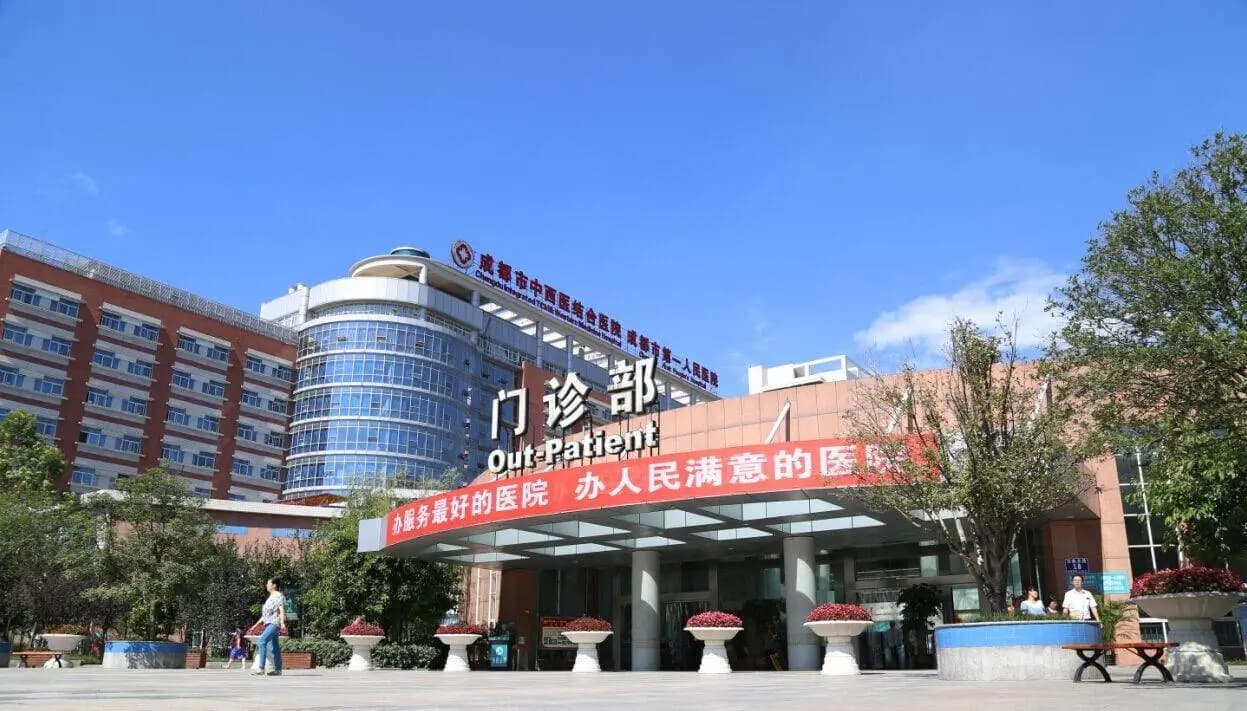
Grade III Grade A
Chengdu Integrated Traditional Chinese and Western Medicine Hospital
Chengdu Integrated Traditional Chinese and Western Medicine Hospital (Chengdu First People's Hospital) - Introduction: Founded in 1926, Chengdu Integrated Traditional Chinese and Western Medicine Hospital is a large-scale comprehensive tertiary-level Grade A hospital integrating medical treatment, teaching, and scientific research. It is Chengdu's first municipal public hospital, one of the first batch of "National Key Integrated Traditional Chinese and Western Medicine Hospitals," and one of Sichuan Province's first batch of flagship integrated traditional Chinese and Western medicine hospitals. After years of development, the hospital has established a "321" intensive management model, operating under three names: "Chengdu Integrated Traditional Chinese and Western Medicine Hospital," "Chengdu First People's Hospital," and "Chengdu Traditional Chinese Medicine Hospital." It manages two campuses in a unified manner: one on Wanxiang North Road in the High-tech Zone and the other on Hongxing Road in Qingyang District, all under a single leadership team for efficient collaboration. Currently, the hospital has 2,400 beds. The hospital has a well-structured talent pool. The hospital currently has 2,869 employees, including 524 senior professionals and 765 doctoral and master's degree holders. It boasts over 10 individuals who have received national honors, including 5 experts receiving government subsidies, 2 recipients of the China Association of Traditional Chinese Medicine's Young Talent Support Project, 3 national outstanding TCM clinical talents, national TCM characteristic technology inheritance talents, and national outstanding young physicians; 56 provincial and municipal renowned TCM doctors, 44 academic and technical leaders, and 10 key personnel selected for major talent programs in Sichuan Province such as the "Health and Wellness Talents Program," "Qihuang Scholars," "Qihuang Elites," and "Rongcheng Talents." The hospital's disciplinary matrix boasts significant advantages. Through the implementation of a "dual-core driven" strategy, it has formed a cluster advantage with national leadership and provincial support, possessing 8 national TCM advantageous specialties, 3 national flagship departments of integrated TCM and Western medicine, 3 national-level research laboratories, and 5 "National Renowned TCM Doctors Inheritance Studios." These, along with the existing 67 provincial and municipal key specialties (disciplines) and 22 provincial and municipal quality control centers, form a prominent disciplinary cluster. The hospital's research platform is open and integrated. In collaboration with Brigham and Women's Hospital (BWH), affiliated with Harvard Medical School, the hospital established the fifth medical simulation center globally and the only one in China, becoming the first simulation training center in Southwest China to be certified by the Society for Medical Simulation (SSH). In partnership with Chengdu University of Traditional Chinese Medicine, the hospital established the Institute of Integrated Traditional Chinese and Western Medicine, led by Academician Chen Xiangmei, attracting 30 visiting professors (including 15 academicians and National Outstanding Young Scientists), and spearheading the construction of five major clinical research centers to support the hospital's high-level discipline development. In collaboration with the University of Electronic Science and Technology of China, the hospital promoted the standardization of traditional Chinese medicine and the construction of a research database, becoming the only demonstration unit in the province selected for the national pilot project for monitoring and evaluating the quality of traditional Chinese medicine medical services.
Established
1926-01-01
Official website
www.cdzxy.com/
Snapshot
Active departments
39 active departments available in this language.
Hospital tag
Grade III Grade A
Care planning
Need help comparing departments or travel logistics?
Carevia can help you assess department fit, shortlist hospitals across cities, and coordinate translation, appointments, and post-visit travel planning.
Departments
Clinical departments at Chengdu Integrated Traditional Chinese and Western Medicine Hospital
39 department profiles are available for review.
Plastic and Burn Surgery Department
The Department of Plastic and Burn Surgery at Chengdu Integrated Traditional and Western Medicine Hospital (Chengdu First People's Hospital and Chengdu Traditional Chinese Medicine Hospital) currently has 2 physicians and 2 specialist nurses, including 1 PhD and 1 Master's degree holder. Primarily involving burn surgery and plastic and cosmetic surgery specialties, the current services offered include: 1. Eyelid bag removal, orbital septum release and tear trough filling; 2. Rhinoplasty: rhinoplasty using implants and autologous ear or rib cartilage, alar reduction, tip shaping, nasal lengthening, and other comprehensive rhinoplasty; 3. V-line facial contouring: zygomatic bone and mandibular angle osteotomy, chin augmentation, chin implant; 4. Facial rejuvenation: hyaluronic acid injections, photofacial rejuvenation, Botox injections, facial wrinkle removal surgery; 5. Liposuction and body sculpting, autologous fat facial filling and transplantation, autologous fat breast augmentation; 6. Breast augmentation: silicone implants, autologous fat breast augmentation, injectable removal, nipple hypertrophy and inverted nipple correction, breast reduction and breast ptosis correction, breast asymmetry correction, breast reconstruction; 7. Intimate area plastic surgery: hymen repair, labiaplasty, vaginal tightening, penile lengthening and thickening; 8. Botox injections: facial slimming, calf slimming, facial wrinkle removal. 9. Hyaluronic acid fillers: temporal region, cheekbones, under-eye bags, forehead augmentation, lip augmentation, chin and rhinoplasty. 10. Minimally invasive axillary odor surgery. 11. Comprehensive scar management: surgical excision of scars, intralesional drug injection, laser treatment. 12. Minimally invasive excision of benign and malignant tumors on the skin surface: pigmented nevi, hemangiomas, subcutaneous masses, basal cell carcinoma, squamous cell carcinoma, etc. 13. Management of small to medium-sized burns and scalds, and chronic refractory wounds. 14. Emergency maxillofacial trauma repair with meticulous suturing. 15. Laser center: photorejuvenation, thermal lifting, hair removal, mole removal, etc. 16. Emergency maxillofacial trauma repair with meticulous suturing.
Burn Surgery
Medical Aesthetics Department
The Department of Medical Cosmetology at Chengdu Integrated Traditional and Western Medicine Hospital (Chengdu First People's Hospital, Chengdu Traditional Chinese Medicine Hospital) currently has one attending physician and one head nurse. It primarily focuses on plastic and cosmetic surgery, and currently offers the following procedures: Surgical Procedures: Specialized Plastic Surgeries: Small-incision axillary olfactory excision, cosmetic repair of superficial tumors/mole larger than 0.3cm, trauma repair and treatment of large-area scars (various flap transplants depending on the area), accessory auricle excision, nipple/areola correction surgery. Scarless blepharoplasty, brow lift, double eyelid revision, upper and lower eyelid fat removal, filler, minimally invasive autologous ear cartilage rhinoplasty, nasal implant removal, nasal injectable removal (displacement, migration, infection, etc.). Lip Surgery: Correction of secondary nasolabial deformities after cleft lip surgery, lip reduction, double lip repair, lip augmentation. Injectable Treatments: Specialized hyaluronic acid fillers, particularly effective for high-risk areas: (tear troughs, infraorbital region, nasolabial folds, cheekbones, cheeks, jawline, chin, nose, temples, neck wrinkles). Minimally Invasive Treatments: Botox for wrinkle removal and anti-aging facial tightening and lifting, anti-aging minimally invasive injections, mesotherapy for skin aging (manual acupuncture), ligament lifting, localized liposuction and facial filler treatments, autologous serum regeneration therapy. Facial Plastic Surgery: Facial contouring, surgical treatment and reconstruction of facial and neck tumors, simulated rhinoplasty, double eyelid surgery, full-face wrinkle removal, eye bag removal, facial liposuction, chin augmentation, double eyelid surgery, inner canthoplasty, upper eyelid skin laxity correction, upper eyelid retraction correction, upper eyelid weakness correction, brow lift, tear trough filling, orbital fat release and other eye sculpting procedures, small eye enlargement surgery, hump and hooked nose correction, alar, tip and columella repair and correction, correction of various undesirable rhinoplasty procedures, protruding ear correction, corner of the mouth surgery, earlobe augmentation, dimple creation, facial rejuvenation treatments, minimally invasive injectable cosmetics. Breast Plastic Surgery: Breast augmentation with implants, correction of sagging breasts, breast reduction, nipple inversion correction, nipple reduction, areola reduction, correction of various undesirable breast augmentation procedures. Body Sculpting: Ultrasonic liposuction and radiofrequency resonance targeted liposuction. Gynecological Plastic Surgery: Vaginal tightening, hymen repair and reconstruction, labia reduction, clitoral reshaping. Other Plastic Surgery: Correction and repair of various traumatic scars and deformities, mild hallux valgus correction, cosmetic suturing, etc. Dr. Wang Wei currently serves as a member of the Micro-plastic Surgery and Anti-aging Branch and the Fat Augmentation Branch of the Sichuan Provincial Association of Aesthetic and Plastic Surgery; and is a certified Botox, Juvederm, Filorga, Ellansé, and LG Chem product line expert physician. Doctor Introduction: Wang Wei; Hospital Location: South District; Title: Associate Chief Physician; Specialties: Facial rejuvenation micro-plastic surgery, facial tightening.
Medical Aesthetics
Ophthalmology
The Department of Ophthalmology at Chengdu First People's Hospital is a national-level flagship department integrating traditional Chinese and Western medicine, a regional training base for appropriate technologies for cataract prevention and treatment in Sichuan Province, a key discipline in Chengdu, a key specialty in primary open-angle glaucoma in Chengdu, the chairman unit of the Chengdu Minimally Invasive Glaucoma and Cataract Surgery Specialty Alliance, and the chairman unit of the "Liuzhi Mingmou" Public Welfare Foundation, enjoying a high reputation in the industry. The Department of Ophthalmology South District of Chengdu First People's Hospital has 61 professional and technical personnel, including 10 with senior professional titles, boasting a wealth of talent. The department is equipped with advanced diagnostic and treatment equipment, such as various tonometers, perimeters, corneal topography instruments, visual electrophysiology instruments, anterior segment/fundus vascular imaging OCT, anterior/posterior segment cameras, fundus angiography systems, corneal biomechanical measuring instruments, neonatal fundus screening instruments, and pediatric vision screening instruments. Treatment equipment includes microsurgical endoscopes, femtosecond/excimer laser myopia treatment devices, phacoemulsification cataract machines, vitrectomy machines, glaucoma fiber optic illumination devices, UCP, ECP, and CLASS treatment devices, orbital lacrimal duct endoscope systems, SLT treatment devices, and anterior/posterior segment laser treatment devices. The Ophthalmology Department of Chengdu First People's Hospital specializes in glaucoma treatment using a combination of traditional Chinese and Western medicine, constructing a multi-subspecialty collaborative development system. It is unique and enjoys a high reputation nationwide. It was the first in Sichuan Province to perform minimally invasive glaucoma surgery, and its related technologies are among the most advanced in the country. It was also the first in Sichuan Province to perform minimally invasive orbital surgery. In the past three years, the department has led or participated in more than 30 national, provincial, and municipal research projects, published more than 30 academic papers in SCI and Peking University core journals, and won the first prize of Sichuan Provincial Medical Science and Technology Award. The department's comprehensive ophthalmological diagnosis and treatment services are first-class, and many technologies have reached advanced levels both domestically and provincially. Ophthalmology General Outpatient Department, Ophthalmology International Outpatient Department, Ophthalmology Inpatient Department, Ophthalmology Laser Surgery Room for Myopia, Group Photo of Ophthalmology Staff, Doctor Introductions: Zeng Liuzhi, Campus: South District, Title: Chief Physician, Minimally invasive glaucoma, cataract, and myopia surgery... Shu Jing, Campus: South District, Title: Traditional Chinese Medicine Physician, Standardized treatment of various common and frequently occurring eye diseases... Deng Haochong, Campus: South District, Title: Physician, Proficient in common and frequently occurring eye diseases... Wang Suzhen, Campus: South District, Title: Attending Physician of Integrated Traditional Chinese and Western Medicine, Intraocular pressure management and visual function protection, proficient in... Ruan Kaibi, Campus: South District, Title: Technician, Examination of refractive problems in adolescents, various difficult cases... Wang Xuan, Campus: South District, Title: Attending Physician, Various common and frequently occurring eye diseases, fundus diseases... Wang Fang, Campus: South District, Title: Resident Physician, Integrated Traditional Chinese and Western Medicine treatment of various eye diseases... Li Bei Campus: South Campus Title: Chief Physician of Traditional Chinese Medicine Treatment of various orbital and eyelid diseases using integrated traditional Chinese and Western medicine... Xie Bihua Campus: South Campus Title: Chief Physician Prevention and control of myopia in adolescents, cataracts, glaucoma... Chen Ming Campus: South Campus Title: Chief Physician Diagnosis and treatment of complex fundus diseases, various minimally invasive fundus surgeries... Chen Fang Campus: South Campus Title: Associate Chief Physician Vitreoretinal diseases, various cataracts... Xin Mei Campus: South Campus Title: Associate Chief Physician Diagnosis and treatment of complex fundus diseases, complex retinal diseases... Tang Binghua Campus: South Campus Title: Associate Chief Physician Various ocular surface surgeries, ocular plastic surgeries and lacrimal... Yang Rong Campus: South Campus Title: Associate Chief Physician Diagnosis and treatment of strabismus and amblyopia in children, refractive errors and strabismus... Yu Chengda Campus: South Campus Title: Associate Chief Physician Phacoemulsification cataract surgery, glaucoma, various... He Yu Campus: South Campus Title: Associate Chief Physician Various glaucoma surgeries, cataract surgeries,... Wang Xiaoqin Campus: South District Title: Attending Physician Myopia, strabismus, amblyopia, cataracts, fundus diseases... Chen Xinya Campus: South District Title: Attending Physician Intravitreal injection, anterior segment, fundus diseases...
Ophthalmology
Thoracic Surgery
The Department of Thoracic Surgery was established in 1997 and currently has 37 beds. The department has 3 senior physicians and 5 associate senior physicians, with 70% holding master's degrees or higher. The medical team comprises 25 members, forming a comprehensive medical team integrating clinical practice, research, and teaching. It is a member of the Thoracic Surgery Alliance of West China Hospital, Sichuan University, a member of the Severe Lung Cancer Alliance of West China Hospital, Sichuan University, and a member of the Multidisciplinary Lung Cancer Consultation (Telemedicine Center) Alliance. II. Specialty Features and Technical Advantages: The Department of Thoracic Surgery primarily diagnoses and treats diseases of the chest below the neck and above the abdomen, covering various congenital diseases, traumas, infections, tumors, and malformations of the chest wall, intrathoracic organs (such as the lungs, trachea, esophagus, and mediastinum), and diaphragm. Its scope of diagnosis and treatment is broad, and specific diseases can be classified as follows: 1. Lung and tracheobronchial diseases, mainly including benign and malignant lesions of the lungs and structural and functional abnormalities of the trachea and bronchi, such as pulmonary nodules, lung cancer (such as squamous cell carcinoma of the lung, adenocarcinoma of the lung, small cell carcinoma, etc.), metastatic lung tumors, benign lung masses (such as pulmonary leiomyoma, pulmonary tuberculoma, hamartoma, inflammatory pseudotumor, etc.), lung abscess, bronchiectasis or stenosis, pulmonary bullae, chronic obstructive emphysema, atelectasis, pulmonary cysts, pulmonary arteriovenous fistula, pulmonary sequestration, pulmonary fungal disease, tracheal tumors, tracheal stenosis, as well as benign bronchial tumors, bronchopleural fistula, etc. 2. Esophageal Diseases: This encompasses various benign and malignant diseases and functional disorders of the esophagus, such as esophageal cancer, cardia cancer, benign esophageal tumors (e.g., leiomyoma), achalasia, hiatal hernia, esophageal diverticulum, esophageal polyps, benign esophageal strictures, esophageal perforation, esophageal varices, and tracheoesophageal fistula. 3. Mediastinal Diseases: This refers to various tumors and cysts occurring within the mediastinum, such as thymoma (often associated with myasthenia gravis), mediastinal cysts (e.g., pericardial cysts, parathyroid cysts, thymic cysts), neurogenic tumors (e.g., schwannomas, neurofibromas, neuroblastomas, mostly found in the posterior mediastinum), teratomas (benign and malignant), retrosternal goiter, mediastinal lymphoma, and lipomas. 4. Chest wall and pleural diseases: These include chest wall structural abnormalities, tumors, inflammation, and lesions of the pleural cavity, such as chest wall tumors (benign and malignant), costochondritis, intercostal neuralgia, chest wall tuberculosis, chest wall deformities (e.g., pectus carinatum, pectus excavatum), pleural mesothelioma (localized or diffuse), pleurisy, pleural effusion, hemothorax, empyema, and chylothorax. 5. Chest trauma: Injuries to chest tissues and organs caused by external forces, such as rib fractures, sternal fractures, traumatic hemopneumothorax, pulmonary contusion, tracheal and bronchial injuries, esophageal injuries, and traumatic diaphragmatic hernia. 6. Diaphragmatic diseases: These mainly refer to abnormalities in the position and function of the diaphragm, such as diaphragmatic hernias (e.g., hiatal hernia, traumatic diaphragmatic hernia), and diaphragmatic bulging. 7. Other Diseases Some diseases with specific manifestations that often require thoracic surgical intervention, such as palmar hyperhidrosis (often treated with thoracic sympathectomy), long QT syndrome, facial hyperhidrosis, and chylothorax, as well as breast diseases such as breast cancer and breast fibroadenoma. Specializing in minimally invasive and precision diagnosis and treatment, artificial intelligence, accelerated recovery after surgery (ERAS), and integrated traditional Chinese and Western medicine, the core technologies cover the following: Minimally Invasive Surgery: 1. Single-port thoracoscopic surgery: minimal trauma, rapid recovery, with discharge as early as 1 day post-surgery, shortening hospital stay by 3-5 days compared to conventional thoracoscopic surgery (leading in the province); 2. Lung nodule ablation: ablation treatment of lung nodules under local anesthesia (patient awake), with discharge as early as the second day post-surgery (leading in the province). Robotic Surgery: Our department possesses the latest domestic da Vinci Xi robotic surgical platform system, featuring 10x high-definition 3D vision, a 540° flexible robotic arm, millimeter-level precision operation, and accurate dissection of blood vessels and nerves, especially suitable for complex mediastinal tumors, esophageal cancer, and other high-risk area surgeries (advanced in China). Intelligent Technology: AI-powered intelligent diagnosis of pulmonary nodules, combined with an integrated lung cancer diagnosis and treatment system (MDT) and the DeepSeek localized deployment auxiliary diagnosis and treatment system (regionally leading); Critical Care: Leading success rate in the treatment of severe chest trauma, multiple injuries such as large-area rib fractures, and complex injuries; Auxiliary System Establishment: 3D printing-assisted technology, precise localization and resection of small pulmonary nodules, Enhanced Recovery After Surgery (ERAS) system, Tubeless Surgery: Thoracoscopic surgery under spontaneous breathing anesthesia avoids endotracheal intubation damage, achieving "same-day surgery, next-day discharge," a technology that is among the most advanced in China. III. Academic Team The academic leader, Chief Physician He Tao (Master's Supervisor, Member of the International Association for the Study of Lung Cancer (IASLC), Member of the International Society for Cryotherapy (ISC), CSCO MRD Teaching Professor, and Chairman-elect of the Thoracic Oncology Society of Chengdu High-tech Medical Association), has been engaged in thoracic surgery for over 20 years. He has extensive experience in thoracic tumors such as pulmonary nodules, and is particularly skilled in minimally invasive surgery and ablation procedures. He has presided over 9 provincial, ministerial, and municipal-level research projects, and has presented academically at numerous international and national conferences such as ASCO, ESMO, CSCO, and CSTCS. He has published SCI papers with a highest impact factor of 42.1, has overseas study experience, and has been awarded the title of "Top Ten Exemplary Chinese Surgeons." His technical level is among the most advanced in China. IV. Other Highlights 1. Equipped with high-definition STORZ, Olympus, and other 3D and 4K thoracoscopic imaging systems, as well as cutting-edge equipment such as cryotherapy and radiofrequency ablation, precision energy platforms and surgical instruments: Johnson & Johnson ultrasonic scalpel, the latest domestic da Vinci robotic XI surgical system platform, etc. 2. Adhering to the concept of "Precision Medicine, Wholehearted Protection," especially with its "one-stop" inpatient service and multimodal analgesia system, combined with technologies such as nerve blocks and intelligent analgesia pumps, we achieve "painless surgery" and accelerate recovery. 3. We provide continuous service to patients through a 24-hour postoperative pain management and follow-up system, as well as extended outpatient services. Our service motto is "Safeguarding life with superb technology and fulfilling our commitment with warm service"—the Department of Thoracic Surgery wholeheartedly protects your respiratory health. Da Vinci Xi Robotic Surgical System Doctor Introductions: He Tao, Campus: South, Title: Chief Physician, Treatment of "pulmonary nodules," "single-port" thoracic pleural... Luo Na, Campus: South, Title: Head Nurse; Li Shuixiu, Campus: South, Title: Head Nurse, Perioperative nursing care for common thoracic surgical diseases, integrated traditional Chinese and Western medicine... Zhou Li, Campus: South, Title: Associate Chief Nurse, Common thoracic surgical diseases such as mediastinal and postoperative lung cancer... Wu Lianghong, Campus: South, Title: Chief Physician, Diagnosis and treatment of lung cancer, esophageal cancer, and mediastinal tumors... Jiang Qing, Campus: South, Title: Chief Physician, Treatment of lung, trachea, esophagus, mediastinum, and breast tumors... Zeng Qiang, Campus: South, Title: Associate Chief Physician, Diagnosis and treatment of common thoracic surgical diseases and breast diseases... Shi Ke, Campus: South, Title: Associate Chief Physician Lung cancer, esophageal cancer, breast tumors, mediastinal tumors... Yan Zhengwei, Campus: South District, Title: Associate Chief Physician, Surgical treatment of spontaneous pneumothorax using thoracoscopic surgery, lung... Zhang Dawei, Campus: South District, Title: Attending Physician, Spontaneous pneumothorax, chest trauma, rib fractures... Song Yu, Campus: South District, Title: Attending Physician, Clinical work in thoracic surgery and breast surgery, specializing in esophageal... He Congwen, Campus: South District, Title: Attending Physician, Diagnosis and treatment of common and frequently occurring diseases in thoracic surgery... Wang Hongya, Campus: South District, Title: Attending Physician, Lung cancer, esophageal cancer, mediastinal tumors, spontaneous... Li Haibo, Campus: South District, Title: Attending Physician, Esophageal cancer, lung cancer (pulmonary nodules), pleural diseases...
Thoracic Surgery
Cardiac Surgery
The Department of Cardiac Surgery, established in 2019, comprises specialized cardiac surgery, intensive care, extracorporeal circulation, specialized nursing, echocardiography, and cardiac anesthesia units. II. Specialty Features and Technological Advantages: The team collaborates closely to perform various cardiovascular surgeries, serving patients ranging in age from 4-month-old infants to 87-year-old seniors. Surgical treatment scope includes: routine and minimally invasive surgical treatment of congenital heart disease, valvular heart disease, coronary artery disease, aneurysm, cardiac tumor, infective endocarditis, and constrictive pericarditis; interventional treatment for congenital heart disease and aneurysm. Currently, routine surgical treatments are performed for various congenital heart diseases, adult valvular heart disease, coronary artery disease, and aortic aneurysms. Minimally invasive cardiac surgery techniques are leading-edge, such as transesophageal echocardiography (TEE)-guided PFO, atrial and ventricular septal defect closure (nearly non-invasive), minimally invasive small-incision valvular repair or replacement, and minimally invasive small-incision bypass grafting, forming distinctive medical characteristics. New technologies such as transfemoral and transapical TAVI and TEER are also implemented. The department prioritizes patient needs, tailoring personalized treatment plans before surgery to maximize surgical success rates and ensure excellent short- and long-term postoperative outcomes. A specialized cardiac surgery medical record is established for each patient, guiding postoperative follow-up, rehabilitation, and daily life. Currently, the overall surgical success rate is nearly 99%, and patient satisfaction surveys after discharge are nearly 100%, ranking first in the hospital. III. Department Team: The team members have over 10 years of experience collaborating with cardiovascular surgery departments in top-tier hospitals. Department Director Ouyang Hui, a chief physician and MD, has led the team in performing over 5,000 cardiovascular surgeries in the past 10 years. Currently, the department has 16 general ward beds and 8 cardiac intensive care unit beds. There are 2 senior-level professionals, 6 intermediate-level professionals, and 1 resident physician; the educational structure includes 1 PhD and 4 Master's degree holders. IV. Other Highlights: The department continuously conducts annual outreach screenings for congenital heart disease in rural areas. To date, it has visited 345 schools in Ganzi Prefecture, Aba Prefecture, and Tibet, screening nearly 120,000 children. We have established a long-term partnership with the foundation to help children in impoverished mountainous areas complete congenital heart disease surgery, achieving a 100% success rate. Doctors introduced: Ouyang Hui, Campus: South District, Title: Chief Physician, Specializes in minimally invasive cardiac surgery, especially through a small right thoracic incision... Tang Xiuying, Campus: South District, Title: Attending Physician; Liu Gang, Campus: South District, Title: Attending Physician; Xin Dong, Campus: South District, Title: Attending Physician, Specializes in congenital heart disease, valvular heart disease, coronary heart disease... Jiang Jinfeng, Campus: South District, Title: Attending Physician, Diagnosis and treatment of common congenital heart diseases and valvular heart disease... Liang Zhonglei, Campus: South District, Title: Attending Physician, Specializes in congenital heart disease, valvular heart disease, and major vascular diseases... Luo Yun, Campus: South District, Title: Attending Physician, Treatment of various common and complex internal medicine diseases... Xin Mei, Campus: South District, Title: Attending Physician, Specializes in various minimally invasive vitreoretinal and cataract surgeries...
Surgery
Gastrointestinal and abdominal wall hernia surgery
Department Introduction I. Basic Information The Department of Gastrointestinal Hernia Surgery at Chengdu Integrated Traditional and Western Medicine Hospital is a key discipline in Sichuan Province, a key specialty department in Chengdu, a standardized residency training base in Sichuan Province, and a model department for high-quality service in the hospital. It has over 60 beds and more than 30 medical and nursing staff; 1 chief physician and 3 associate chief physicians; and 5 sub-specialty teams focusing on gastrointestinal, abdominal wall hernia, gastroesophageal reflux, weight loss and metabolism, and intravenous access/peritoneal dialysis catheter placement. II. Specialty Features and Technical Advantages Equipped with advanced equipment such as the da Vinci surgical robot and 4K/3D laparoscopes. The department focuses on minimally invasive surgery + ERAS + MDT: routinely performing laparoscopic low anterior resection/spontine preservation, TaTME, reduced port, and NOSES surgeries for gastric, colon, and rectal cancer; day-care treatment for inguinal hernia and incisional/parastomal hernia repair; hiatal hernia repair + fundoplication for reflux; metabolic weight loss surgery and endoscopic stent bypass; and fully implantable infusion ports and laparoscopic peritoneal dialysis catheter placement. III. Team Expertise: Minimally invasive gastric surgery, colorectal surgery, metabolic and bariatric surgery, gastroesophageal reflux and abdominal wall hernia, and robotic surgery. Several core members serve as standing committee members or committee members of national, Sichuan provincial, and Chengdu municipal professional committees for gastric cancer, colorectal cancer, hernia and abdominal wall surgery, and metabolic and bariatric surgery. IV. Other Highlights: Promotes standardized treatment pathways and rapid perioperative rehabilitation; establishes day surgery and multidisciplinary joint clinics; emphasizes follow-up and nutritional management; and provides patients with comprehensive, individualized treatment services. Doctor Introduction: Chen Shijun, Campus: South District, Title: Associate Chief Physician, Specializes in open and laparoscopic radical resection of gastric and colorectal tumors... Song Nian, Campus: South District, Title: Associate Chief Physician, Diagnosis and treatment of common and frequently occurring diseases in general surgery... Liu Wenneng, Campus: South District, Title: Associate Chief Physician, Specializes in open and laparoscopic radical resection of gastrointestinal tumors... Zhao Jian, Campus: South District, Title: Associate Chief Physician, Specializes in inguinal hernia, incisional abdominal wall hernia, pediatric hernia... Li Weiwei, Campus: South District, Title: Attending Physician, Diagnosis and treatment of common and frequently occurring diseases in gastrointestinal surgery... Zhang Dan, Campus: South District, Title: Attending Physician, Specializes in common gastrointestinal diseases and various hernias... Wang Yi, Campus: South District, Title: Physician, Specializes in various inguinal hernias, incisional abdominal wall hernias, gastrointestinal... Lu Yaoheng, Campus: South District, Title: Physician, Specializes in surgery for common gastrointestinal diseases and various hernias... Liu Yifeng Hospital Campus: South Campus Title: Physician Specialties: Gastrointestinal surgical emergencies and common gastrointestinal diseases... Liu Pan Hospital Campus: South Campus Title: Physician Specialties: Benign and malignant tumors of the gastrointestinal tract and inguinal hernia... Qiao Yi Hospital Campus: South Campus Title: Physician Specialties: Inguinal hernia, incisional hernia, benign and malignant gastrointestinal... Xu Jie Hospital Campus: South Campus Title: Physician Specialties: Benign and malignant tumors of the gastrointestinal tract, gastrointestinal stromal tumors... Chen Xingyu Hospital Campus: South Campus Title: Physician Specialties: Laparoscopic and single-port laparoscopic surgery, etc...
Surgery
Oncology
I. Basic Information of the Department The Department of Oncology at Chengdu Integrated Traditional and Western Medicine Hospital was established in 1993, with 162 beds and over 80 medical, nursing, and technical staff. Among them are 2 master's degree supervisors, and 80% of the clinical physicians hold doctoral or master's degrees, forming a highly qualified, clinically skilled, and research-capable talent team. Currently, it has five sub-specialty groups: Medical Oncology, Interventional and Minimally Invasive Oncology Treatment, Radiotherapy for Tumors, Integrated Traditional and Western Medicine Treatment of Tumors, and Palliative Care. II. Specialty Features and Technical Advantages (I) Key Technologies 1. Radiotherapy for Tumors: The department can perform conventional radiotherapy, three-dimensional conformal radiotherapy, and three-dimensional conformal intensity-modulated radiotherapy (IMRT). Image-guided IMRT, stereotactic radiotherapy, and volumetric rotational IMRT are also planned for implementation. 2. Medical Oncology Treatment: The department offers chemotherapy, targeted therapy, and immunotherapy, as well as thoracic, peritoneal, and bladder hyperthermic perfusion chemotherapy, intrathecal chemotherapy, and interventional embolization chemotherapy. 3. Minimally Invasive Interventional Diagnosis and Treatment of Tumors: CT/ultrasound-guided biopsy of masses and nodules in various locations, radiofrequency ablation, vertebroplasty, and percutaneous transhepatic biliary drainage (PTCD) have been performed; interventional chemoembolization, drug-loaded microsphere embolization, and radioactive particle implantation have all achieved good results. 4. Extracorporeal High-Frequency Hyperthermia: Combined with radiotherapy and chemotherapy, it can significantly improve efficacy. 5. Cavity Hyperthermic Perfusion Therapy for Malignant Tumors: It has good therapeutic effects on pleural and peritoneal metastases, pleural effusions caused by malignant tumors, and ascites caused by malignant tumors. 6. Integrated Traditional Chinese and Western Medicine Treatment: It has significant efficacy in treating the toxic side effects of radiotherapy, chemotherapy, immunotherapy, and targeted therapy for tumors, such as drug-induced rashes and radiation enteritis. 7. Palliative Care: Treatment of refractory cancer pain, refractory constipation, and cachexia. 8. Specialized Nursing: Several specialized oncology nursing teams have been established, including catheter care teams, pain management teams, and VTE prevention teams. (II) Scope of Treatment: The oncology department's scope of treatment encompasses a variety of advanced technologies and comprehensive treatment plans. It provides standardized and individualized comprehensive treatment methods and enhances treatment outcomes through multidisciplinary collaboration. Utilizing internationally leading technologies, combined with gene testing, molecular marker analysis, and personalized drug treatment plans, it ensures patients receive the optimal treatment plan. 1. Radiotherapy: Based on imaging-guided radiotherapy, image-guided radiotherapy, volumetric modulated radiotherapy, and stereotactic radiotherapy. 2. Medical Treatment: Individualized chemotherapy, targeted therapy, and immunotherapy plans, covering traditional drugs and combined new drug treatments. 3. Interventional Treatment Techniques: Image-guided minimally invasive techniques are used for tumor pathology diagnosis and gene testing; minimally invasive interventional surgery is used for tumor control, hemostasis, pain relief, and vascular lesions. 4. Traditional Chinese Medicine Treatment: Personalized TCM plans, combining holistic conditioning and herbal treatment, enhance the efficacy and reduce the toxicity of tumor radiotherapy, chemotherapy, and targeted immunotherapy. 5. In addition, tumor marker testing and clinical research on novel drugs are provided. By integrating the strengths of disciplines such as imaging, pathology, and molecular biology, we are committed to improving the effectiveness of precision medicine and personalized treatment, providing patients with comprehensive tumor management solutions. (III) Featured Projects: Precision Radiotherapy: Utilizing precision radiotherapy technology, we achieve precise radiotherapy through three-dimensional conformal radiotherapy, image-guided radiotherapy, volumetric intensity-modulated radiotherapy, and stereotactic radiotherapy, significantly improving treatment efficacy and reducing damage to surrounding healthy tissues. Personalized Internal Medicine Treatment Plans: Based on gene testing and molecular marker analysis, we customize exclusive internal medicine treatment plans for each patient (such as EGFR, HER2, PD-L1, etc.), thereby maximizing treatment efficacy and reducing the incidence of side effects. Minimally Invasive Interventional Therapy: Combining image-guided, microsphere tumor electrocoagulation (MBT), microwave, and osteoplasty, we achieve safe and efficient tumor volume reduction and intervention treatment for vascular lesions. Holistic Traditional Chinese Medicine Conditioning: Combining the concept of integrated traditional Chinese and Western medicine, we carry out personalized traditional Chinese medicine treatment plans such as targeted regulation of immune function and improvement of organ function, helping patients achieve better toxicity reduction and efficacy enhancement on the basis of traditional treatment. Genetic Testing and Molecular Diagnostics: Conducting screening of various cancer genes and analysis of molecular markers to provide a scientific basis for precision medicine, and combining this with the evaluation of novel targeted drug development. Imaging and Pathological Evaluation: Combining advanced imaging and pathological testing technologies to provide a scientific basis for tumor diagnosis and treatment planning. Multidisciplinary Collaborative Treatment: Integrating multiple treatment methods such as radiotherapy, chemotherapy, interventional therapy, immunotherapy, and targeted therapy, and working closely with multidisciplinary teams including oncology experts, surgeons, radiology specialists, and pathologists to ensure patients receive the optimal treatment plan. International Academic Exchange: Establishing cooperative relationships with renowned domestic and international oncology treatment institutions and research teams, introducing cutting-edge international technologies, and dispatching experts...
Medical Oncology
Neurosurgery
The Department of Neurosurgery is a key integrated traditional Chinese and Western medicine specialty in Sichuan Province, a key specialty of the Sichuan Provincial Administration of Traditional Chinese Medicine, a member unit of the Chengdu Stroke Specialty Alliance, and a member unit of the Neurosurgery Specialty Alliance of Sichuan Provincial People's Hospital. It has over 40 technical personnel, including 1 chief physician, 2 associate chief physicians, 4 attending physicians, 2 PhDs, 5 master's degree holders, and over 20 nurses. The department has 54 beds and a fully equipped neurosurgical intensive care unit (NICU). The department is equipped with a large number of advanced medical equipment, including microscopes and microsurgical instruments, automated craniotomy devices, high-speed pneumatic drills, imported bipolar electrocoagulation devices, cold light headlamps, as well as hypothermia therapy devices, intracranial pressure monitors, multi-functional monitors, and imported and domestic ventilators. Relying on the hospital's advanced examination and treatment equipment, including MRI, spiral CT, and DSA, it provides excellent conditions for the diagnosis and surgical treatment of neurosurgical diseases. The Neurosurgical Intensive Care Unit (NICU), established in March 2010, was the first specialized neurosurgical intensive care unit established in a municipal public hospital. After more than ten years of development, it has become a comprehensive intensive care unit integrating postoperative anesthesia recovery for neurosurgical patients, resuscitation and treatment of critically ill patients, and emergency patient care. It is currently equipped with 11 beds, ventilators, defibrillators, VTE treatment devices, and other professional equipment. Since its establishment, the NICU has treated over 8,000 patients with cerebral hemorrhage, traumatic brain injury, intracranial lesions, and cerebral aneurysms, and has performed postoperative care on over 1,500 patients undergoing various craniocerebral surgeries, accumulating rich experience in the monitoring, resuscitation, and postoperative care of critically ill patients. The NICU is managed by an experienced medical and nursing team, currently staffed with 3 ICU physicians and 10 specialized ICU nurses. The team has developed an efficient, innovative, and continuously progressive work model and philosophy, with the core values of putting patients first, integrating traditional Chinese and Western medicine, and upholding the medical ethics of saving lives. They strive for continuous breakthroughs in the treatment and management of critically ill neurosurgical patients. The department adheres to a patient-centered approach, providing high-quality and first-class medical services to patients with its excellent skills. II. Specialized Features and Technological Advantages Since the hospital relocated to the High-tech South Zone at the end of 2007, the newly established Neurosurgery/Neurosurgery department has experienced rapid development. The department can now independently perform surgical treatments for craniocerebral trauma, various nervous system tumors (gliomas, meningiomas, pituitary adenomas, craniopharyngiomas, acoustic neuromas, medulloblastomas, and spinal cord tumors, etc.), cerebrovascular diseases (cerebral hemorrhage, cerebral aneurysms, cortical AVMs), hydrocephalus, brain abscesses, epilepsy, cerebral palsy in children, and other craniocerebral diseases, as well as interventional treatments for cerebrovascular diseases. It has accumulated rich experience in diagnosis and surgical treatment, and its treatment and rescue capabilities for cerebral hemorrhage, craniocerebral injury, craniocerebral tumors, and cerebral aneurysms rank among the top in the province and city. In the area of integrated traditional Chinese and Western medicine, after several years of effort, a relatively complete set of TCM and integrated TCM-Western medicine treatment plans and a series of distinctive Chinese patent medicines have been developed. For hemorrhagic stroke, a combined TCM treatment plan of clearing heat and detoxifying, awakening the brain and opening the orifices, and cooling blood and removing blood stasis is used in the treatment of acute cerebral hemorrhage. Its advanced nature lies in the synergistic effect of internal and external treatments on hematoma from different aspects, accelerating the absorption of hematoma after cerebral hemorrhage, shortening the course of the disease, and reducing the degree of disability. For patients in the recovery period after stroke and traumatic brain injury, the focus is on neurological and psychological rehabilitation. For patients with severe neurological deficits after stroke, a comprehensive, full-course, and systematic application of a series of TCM acupuncture, moxibustion, electroacupuncture, massage, and TCM fumigation combined with modern exercise therapy is used. On the basis of holistic nursing, the department provides TCM-characteristic rehabilitation nursing, psychological nursing, auricular acupuncture, rectal drip of TCM, TCM sealing, and TCM fumigation and washing, etc., for cerebrovascular diseases and neurosis. III. Discipline Team Xie Xuangui, Director of Neurosurgery and Academic Leader, PhD in Neurosurgery, Chief Physician, and Professor. He serves as the Vice Chairman of the Sichuan Provincial Neuro-Oncology Committee, a member of the Sichuan Provincial Medical Association's Neurointerventional Committee, a member of the Sichuan Provincial Medical Association's Neurosurgery Committee, and a standing member of the Chengdu Medical Association's Neurosurgery Committee. He specializes in interventional and craniotomy treatment of cerebral aneurysms and arteriovenous malformations, as well as surgical treatment of various intracranial and spinal cord tumors, cerebral hemorrhage, traumatic brain injury, hydrocephalus, brain abscess, epilepsy, and cerebral palsy in children, possessing extensive diagnostic and surgical experience. He has led the department in independently performing various highly complex neurosurgical procedures and has established a well-structured and technically proficient team and talent pool. IV. Other Highlights: Our hospital is a national level-three stroke center construction unit. The Neurosurgery Department undertakes the diagnosis and treatment of major stroke diseases such as cerebral hemorrhage and cerebrovascular diseases. It also undertakes the clinical treatment and research work for the single disease "Integrated Traditional Chinese and Western Medicine Minimally Invasive Surgery for Cerebral Hemorrhage" under the State Administration of Traditional Chinese Medicine, and has established a specialized treatment system for cerebral hemorrhage, achieving good medical and social benefits. The department's staff has undertaken and participated in numerous national, provincial, and municipal research projects, publishing over 100 academic papers in national and provincial journals and winning three provincial and municipal science and technology achievement awards. They were among the first in Sichuan Province to conduct surgical treatment for spastic cerebral palsy in children. As a member unit, they participated in important research projects such as the National "Twelfth Five-Year Plan" Science and Technology Support Program project "Etiological Evaluation and Minimally Invasive Treatment Technology Research of Hemorrhagic Stroke" and the Sichuan Provincial Science and Technology Program project "Research on Prevention and Treatment Technology of Hemorrhagic Stroke." The department adheres to a patient-centered approach, providing high-quality and first-class medical services to patients with its excellent technical expertise.
Neurosurgery
1/5