Back to Hospitals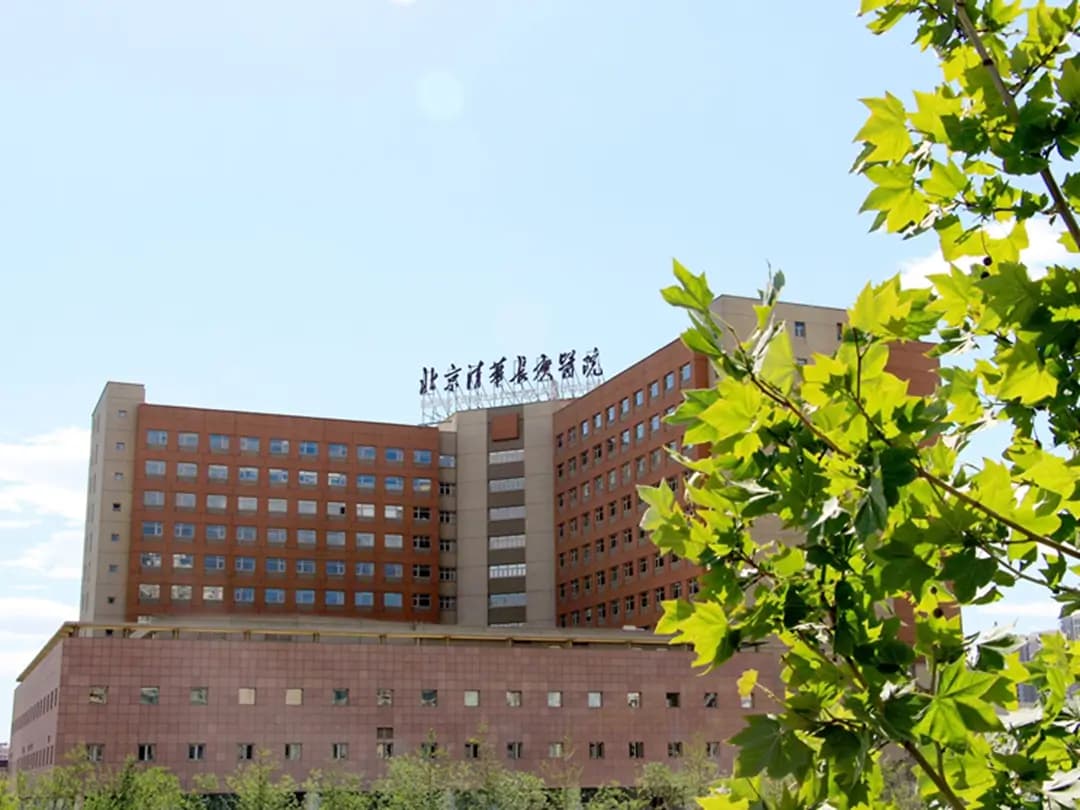
Grade III Grade A
Tsinghua University Beijing Tsinghua Chang Gung Hospital
Tsinghua University Beijing Tsinghua Changgung Hospital is a large-scale comprehensive public hospital jointly built and managed by Tsinghua University and the Beijing Municipal Government. Its construction and operation received generous donations and assistance from Formosa Plastics Group and Chang Gung Memorial Hospital in Taiwan. Located in the Tiantongyuan area of Changping District, Beijing, the hospital has 1,500 beds and opened on November 28, 2014. It is a Class A designated medical institution for Beijing's basic medical insurance, allowing Beijing medical insurance recipients to settle their medical expenses in real time without needing to select a specific institution, and also allowing direct settlement of medical insurance from other regions. Beijing Tsinghua Changgung Hospital adheres to the principle of "patient-centered medical services, physician-centered hospital operations, and employee-centered hospital development," establishing and practicing the "Three Refined Medical Practices" concept of precision medicine, sincere service, and lean management. It has built a modern health and medical service system covering the entire life cycle and integrating digital intelligence. Adhering to its public welfare orientation, the hospital implements a president responsibility system under the leadership of the Party Committee, establishing and improving a modern hospital governance system. The medical team and professional administrative team collaborate in governance, striving to create an international university-style hospital integrating medical treatment, education, and research. From its inception, the hospital established a three-step, ten-year development plan aimed at becoming a world-class medical center: 2014-2017, "Comprehensive Construction, Laying the Foundation"; 2018-2020, "Specialized Development, Building the Brand"; and 2021-2025, "Excellent Quality, Achieving First-Class Status." Entering its second decade, the hospital is implementing a golden ten-year development plan: 2025-2029, "Expanding and Strengthening, Becoming a Domestic First-Class"; and 2030-2034, "Integration and Innovation, Becoming a International First-Class." The hospital attracts a large number of high-level talents from home and abroad with its excellent career platform, comfortable working environment, and attractive compensation. The founding president, Academician Dong Jiahong, is an internationally renowned expert in hepatobiliary and pancreatic surgery and liver transplantation. The hospital implements an attending physician responsibility system under the leadership of department directors, a comprehensive nursing responsibility system, and a holistic care model. It fully promotes patient-centered, disease-oriented integrated medical care, continuously optimizing medical services and processes to provide patients with efficient, high-quality, economical, and inclusive medical services, and constantly improving disease cure rates and rehabilitation standards. The hospital has built a strong disciplinary team consisting of over 50 clinical and medical technology specialties, creating outstanding clinical centers such as the Hepatobiliary and Pancreatic Center, Organ Transplant Center, Cardiovascular Center, Digestive Center, Neurology Center, Orthopedics and Sports Medicine Center, and Ophthalmology Center. Key specialties such as the Critical Care Center, Oncology Center, Infectious Disease Center, Otolaryngology-Head and Neck Surgery Center, Obstetrics and Gynecology Center, Urology, Rehabilitation Medicine, Endocrinology and Metabolism, Dermatology, Radiology, and Vascular Surgery have emerged. The hospital has implemented over 100 leading domestic and international medical technologies, setting multiple world records, and has received an A+ rating in the national tertiary public hospital performance evaluation for five consecutive years. It is building a full-stack digital and intelligent hospital, having passed the Level 6 review of electronic medical records and the Level 3 review of national smart services. Proactively empowering healthy communities, the hospital has taken the lead in building a three-tiered healthcare system linking the hospital, community, and family. In 2022, it vertically managed the Tianbei Community Health Service Center, bringing high-quality resources to the community and ensuring consistent service quality, providing health protection for residents throughout their entire life cycle. The hospital innovates medical education, having established a comprehensive integrated training system for resident physicians and specialist physicians, and continuously improving its organ-system-based clinical medicine MD education system. It is among the first batch of national clinical teaching and training demonstration centers and the first batch of surgical basic skills enhancement training bases designated by the National Health Commission. As a clinical medicine doctoral (MD and PhD) degree-granting unit of Tsinghua University, the hospital has successively launched talent training programs such as full-time professional master's students in clinical medicine, interdisciplinary master's students in medicine and engineering, eight-year program for outstanding physicians and scientists, outstanding scholar-type physicians, and full-time and part-time professional doctoral students in clinical medicine. The hospital has 15 national and Beijing-certified training bases for resident physicians and specialist physicians. It is a training base for general surgeons of the Royal College of Surgeons of Edinburgh, an international Fellowship training center for hepatobiliary and pancreatic surgery, a training base for neurosurgery of the University of Washington, a Fellowship training base of the World Endourology Society, and a standardized training base for endoscopic urological surgery "Set up" of the European Urological Association. Driven by the need to solve clinical problems and meet societal health demands, the hospital leverages the strong comprehensive disciplinary advantages of Tsinghua University and establishes a clinical problem-driven health technology innovation system, focusing on the integration of medicine and engineering. It has successively been approved as a national clinical trial institution for drugs and medical devices, a Beijing Municipal Engineering Research Center for Key Technologies of Smart Health Alliances, a Beijing Municipal Demonstration Construction Unit for Research-Oriented Wards, a Key Laboratory of Digital Hepatobiliary Medicine of the Ministry of Education, a Beijing Municipal Key Laboratory of Liver Transplantation and Bionic Manufacturing, a Beijing Municipal Key Laboratory of Sleep-Disordered Breathing Disease Diagnosis and Treatment Equipment and Systems, and a Beijing Municipal Key Laboratory of Multimodal Smart Diagnosis and Treatment of Bone and Joint Injuries. The hospital has also established the Tsinghua University Institute of Organ Transplantation and Bionic Medicine and the Beijing Research Center for Visual Science and Translational Medicine. The internationally renowned Tsinghua University Clinical Biosample Resource Center has been built and put into use. The hospital has established a comprehensive social service system, setting up medical social workers and volunteer service teams to provide warm and caring services to patients. It has established the Tsinghua Chang Gung Development Fund and Social Service Fund to raise social donations to develop clinical medicine and assist patients in need. In response to the Healthy China Initiative, the hospital holds nearly 100 public health lectures and free clinics annually and leads an effort to eradicate echinococcosis in high-altitude areas. The hospital actively participates in poverty alleviation through healthcare and rural revitalization efforts, providing targeted medical assistance. As a new type of hospital born under the backdrop of national healthcare reform and growing within the context of the Healthy China strategy, Beijing Tsinghua Changgung Hospital upholds the values of "people-oriented, benevolent, virtuous, and benevolent," with the mission of "leading medical innovation, providing value-based healthcare, cultivating leading talents, and pursuing excellent management." It adheres to the "4I" development strategy of Innovation, Integration, Internationalization, and Individualization, striving to become a world-class medical center.
Established
2014-11-28
Official website
www.btch.edu.cn/
Snapshot
Active departments
56 active departments available in this language.
Hospital tag
Grade III Grade A
Care planning
Need help comparing departments or travel logistics?
Carevia can help you assess department fit, shortlist hospitals across cities, and coordinate translation, appointments, and post-visit travel planning.
Departments
Clinical departments at Tsinghua University Beijing Tsinghua Chang Gung Hospital
56 department profiles are available for review.
Department of Rehabilitation Medicine
The Department of Rehabilitation Medicine at Tsinghua University Affiliated Beijing Tsinghua Changgeng Hospital was established in 2014. Under the leadership of Director Pan Yu, it has built a highly skilled, well-educated, and well-structured rehabilitation professional team. Currently, it has 8 rehabilitation physicians (1 chief physician, 3 attending physicians, and 4 resident physicians); 24 physical therapists, occupational therapists, speech therapists, and prosthetists/orthotists; among them, 4 hold doctoral degrees, 5 hold master's degrees, and 2 are doctoral candidates. The department includes rehabilitation wards, outpatient clinics, physical therapy rooms, occupational therapy rooms, speech therapy rooms, physiotherapy rooms, cardiopulmonary exercise rooms, and orthosis rooms, with 30 beds. The department is equipped with advanced domestic and international rehabilitation equipment, and its rehabilitation management is scientific and orderly, providing strong hardware and software support for clinical practice, teaching, and research in rehabilitation medicine. Its key areas of practice include neurological rehabilitation, musculoskeletal rehabilitation, chronic pain rehabilitation, oncology rehabilitation, internal medicine rehabilitation, and pediatric rehabilitation. We offer specialized rehabilitation medical technologies, including: ultrasound-guided drug and botulinum toxin injections, platelet-rich plasma (PRP) injections, comprehensive treatment for lymphedema, lower limb rehabilitation robots, brain-computer interfaces, hand function rehabilitation robots, ankle and foot rehabilitation robots, transcranial direct current stimulation, transcranial magnetic stimulation, suspension training, extracorporeal shock wave therapy, pelvic floor muscle control training, isokinetic muscle strength assessment and training, gait assessment and training, posture assessment and training techniques, cardiopulmonary exercise assessment, speech and swallowing disorder assessment and treatment, prosthesis and orthosis fitting, suspension training, and cognitive psychotherapy. Introduction and Achievements of Teaching and Research: Teaching and training programs include resident physician teaching guidance courses, problem-based discussion-based teaching, teaching rounds, evidence-based case discussions, multidisciplinary case discussions, operational skills training, simulated case exercises, objective structured clinical skills tests, mini-clinical simulation assessments, and direct observation and evaluation of operational skills, with over 100 training sessions conducted annually. In 2018, the institution was approved as a national clinical trial base and a standardized residency training base, achieving a 100% pass rate in the standardized residency training graduation examination. The institution undertakes multiple national and municipal continuing education projects and was the first in China to conduct international certification for lymphedema treatment techniques. It also teaches rehabilitation medicine courses for the eight-year doctoral program in medicine at Tsinghua University and recruits full-time master's students in rehabilitation medicine at Tsinghua University's School of Clinical Medicine. The institution has cumulatively trained hundreds of resident physicians, visiting physicians, graduate students, resident rehabilitation therapists, and intern rehabilitation therapists. In 2019, it received funding from Tsinghua University's teaching reform project. Emphasizing the medical-engineering translation of rehabilitation medicine, the department has established research collaborations with the Departments of Electronic Engineering, Bioengineering, Mechanical Engineering, and Information Science at Tsinghua University. Research areas include multimodal brain function analysis, brain-computer interfaces, rehabilitation robots, intelligent lymphedema drainage, bioelectrical impedance analysis, quantitative elasticity measurement, intelligent rehabilitation diagnostic systems for knee osteoarthritis, and big data analysis. The department has undertaken numerous research projects funded by the Beijing Natural Science Foundation, the Beijing Municipal Science and Technology Commission, and the Beijing Municipal Health Bureau, accumulating millions of yuan in funding. It has published numerous SCI papers, core journal articles, and conference papers, and participated in academic exchanges at international forums such as ISPRM, AAPRM, and the Chinese Society of Physical Medicine and Rehabilitation. In 2019, it received the second prize for scientific and technological progress from the Chinese Association of Rehabilitation Medicine. Clinical Medical Knowledge and Service Effectiveness: Through the joint efforts of the rehabilitation team, including rehabilitation physicians, physical therapists, occupational therapists, speech therapists, prosthetists and orthotists, and rehabilitation nurses, the Department of Rehabilitation Medicine has achieved remarkable success in stroke rehabilitation, spinal cord injury rehabilitation, lymphedema rehabilitation, and chronic pain rehabilitation. The hospital utilizes a combination of ultrasound, electromyography, and electrical stimulation technologies to guide precise botulinum toxin injections, relieving spasms early and promoting motor function rehabilitation in patients with nerve damage. Brain-computer interfaces and rehabilitation robots assist in the remodeling of neurological function in patients with severe nerve damage. A comprehensive lymphedema rehabilitation program, primarily based on detumescence reduction techniques, has been established, helping 90% of lymphedema patients eliminate edema and reintegrate into their families and society. The hospital has treated over 2,000 inpatients and over 50,000 outpatients from across the country, covering nearly 90% of provinces and municipalities nationwide, and has received over 100 banners and letters of commendation from patients. The future development direction and goals for the next five to ten years focus on refined assessment, individualized rehabilitation programs, and the application of new medical-engineering translational technologies. This includes providing holistic rehabilitation care for newborns, infants, adolescents, adults, and the elderly, promoting the application of rehabilitation robots and intelligent rehabilitation technologies, and providing efficient, multidisciplinary rehabilitation services for acute and severe cases. This will provide technical support for the construction of a three-tiered rehabilitation service system. We will create an experimental platform to accelerate the research and development and transformation of intelligent rehabilitation equipment; innovate rehabilitation education reform, build a Tsinghua rehabilitation education base and brand, and cultivate rehabilitation talents with professional qualities, teamwork, and collaborative development in teaching and research.
Physical Medicine and Rehabilitation
Intensive Care Unit
The Department of Critical Care Medicine at Beijing Tsinghua Changgeng Hospital was established in 2014 and currently (Phase I) has 42 beds. To meet the treatment needs of critically ill patients from all departments across the hospital, the department has built a high-level, comprehensively capable medical team and introduced world-leading organ function support equipment, providing strong back-end support for various disciplines and maximizing the guarantee for patients' successful recovery. The Department of Critical Care Medicine at Beijing Tsinghua Changgeng Hospital will receive critically ill patients from departments such as emergency medicine, surgery, obstetrics and gynecology, internal medicine, neurology, and otolaryngology. It will provide comprehensive monitoring of patients' organ systems, including the heart, lungs, brain, kidneys, liver, blood, and immune system. It will provide various organ function support for patients with heart failure, respiratory failure, various comas, kidney failure, liver failure, coagulation disorders, and immune imbalances. It will also provide appropriate and effective anti-infective treatment for patients with severe infections, correct fluid, electrolyte, and acid-base imbalances, and provide appropriate nutritional support. Critical care physicians excel at assessing a patient's overall condition, maintaining a balance in organ function to cure the primary disease while minimizing the risk of serious complications. This is a powerful guarantee of maximizing patient benefits in the process of modern medicine's specialization. The Department of Critical Care Medicine at Beijing Tsinghua Changgeng Hospital comprises physicians, respiratory therapists, specialist nurses, registered nurses, nutritionists, and clinical pharmacists. The entire team, led by the attending physician, conducts ward rounds together, providing patients with high-end medical services. The Department of Critical Care Medicine at Beijing Tsinghua Changgeng Hospital is equipped with advanced clinical diagnostic and treatment equipment. Each bed is equipped with imported invasive ventilators, multi-functional monitors, micro-infusion pumps, and infusion pumps. The wards also have PiCCO, CRRT machines, end-tidal carbon dioxide monitoring equipment, bedside ultrasound, rapid blood gas analyzers, cooling blankets, and fiberoptic bronchoscopes. These advanced medical instruments effectively save patients' lives and help them recover quickly. The Department of Critical Care Medicine at Beijing Tsinghua Changgeng Hospital will uphold the service philosophy of "people-oriented and patient-first," encourage knowledge updates, improve professional capabilities, and advance medical care, education, and research in tandem, always providing patients with more precise and higher-quality medical services.
Critical Care Medicine
Department of Oncology
Established in November 2014, the Hepatobiliary and Pancreatic Center of Beijing Tsinghua Changgeng Hospital is Asia's first fully integrated hepatobiliary and pancreatic medical center. It is also a national "Standardized Diagnosis and Treatment Demonstration Base for Primary Liver Cancer," the leading unit of the "National Standardized Hepatobiliary Tumor Diagnosis and Treatment Center" under the "Major Illnesses Treated Within the County - National Key Discipline Special Project Precision Assistance Project," the supporting unit of the Precision Hepatobiliary Surgery Academy of the Chinese Research Hospital Association, the vice-chairman unit of the China Liver Cancer Alliance, the chairman unit of the Smart Healthcare Committee of the Chinese Medical Doctor Association, one of the main construction departments of the Institute of Organ Transplantation and Bionic Medicine of Tsinghua University, and the main supporting unit of the Key Laboratory of Digital Hepatobiliary Diseases of the Ministry of Education. The center integrates liver surgery, biliary surgery, pancreatic surgery, hepatobiliary medicine, critical care liver disease, liver transplantation, comprehensive diagnosis and treatment of hepatobiliary and pancreatic tumors, hepatobiliary oncology, interventional treatment of hepatobiliary diseases, pediatric hepatobiliary disease diagnosis and treatment, and hepatobiliary intensive care, providing patients with hepatobiliary and pancreatic diseases with "one-stop" services, systematic diagnosis and treatment, and full-process management through precision medicine and multidisciplinary treatment models. The center adopts an integrated governance model to achieve multi-specialty collaborative development in medical services, talent training, and scientific research. In October 2024, Tsinghua University established the Tsinghua University School of Medicine Hepatobiliary and Pancreatic Center, relying on the Hepatobiliary and Pancreatic Center of Beijing Tsinghua Chang Gung Hospital.
Internal Medicine
Department of Traditional Chinese Medicine
The Department of Traditional Chinese Medicine at Beijing Tsinghua Changgung Hospital was established in 2015. Adhering to the hospital's philosophy of "people-oriented, benevolent, virtuous, and benevolent," and with "great medical skill and integrity" as its core value, the department serves patients with superb medical skills and a sincere attitude. The department officially opened in May 2015. All attending physicians are senior doctors with rich clinical experience from top-tier hospitals in Beijing. Currently, there are 2 chief physicians, 5 associate chief physicians, 4 attending physicians, 3 resident physicians, 4 acupuncture and massage technicians, and 30 acupuncture and massage beds. It possesses strong diagnostic and treatment capabilities. The Department of Traditional Chinese Medicine has its own herbal medicine room and acupuncture treatment room. It can provide TCM and acupuncture medical and health care services for common, frequently occurring, and difficult-to-treat diseases, and provides TCM and acupuncture consultation services for all inpatients in the hospital. The scope of treatment covers diseases in internal medicine, surgery, gynecology, pediatrics, ophthalmology, otolaryngology, acupuncture, orthopedics, dermatology, and other specialties. Our main specialties and areas of expertise include: Traditional Chinese Medicine (TCM) for respiratory and digestive diseases: TCM has good efficacy in treating recurrent colds, allergic rhinitis, chronic cough, bronchial asthma, COPD, and pulmonary heart disease. TCM acupuncture has advantages in regulating gastrointestinal diseases, especially gastric motility disorders, chronic gastritis, gastric spasms, colitis, functional bowel disorders, and inflammatory bowel disease; both TCM herbal medicine and acupuncture treatments show good results. TCM for hepatobiliary diseases: Various types of liver diseases (viral hepatitis, alcoholic or drug-induced hepatitis, etc.); cirrhosis and liver disease; liver tumors; chronic cholecystitis, cholelithiasis, etc., are traditionally strong areas for TCM treatment. Our department's Chief Physician, Dr. Chen Lihua, has many years of in-depth research and rich treatment experience in these diseases. TCM for endocrine diseases: Hyperthyroidism, nodular thyroiditis, Graves' ophthalmopathy, hypothyroidism, diabetes and its complications; TCM acupuncture has certain advantages in these treatments. Chief Physician Nie Youzhi has extensive experience in treating these diseases using a combination of TCM and Western medicine. For neck, shoulder, lower back, and leg pain, a comprehensive treatment approach primarily based on acupuncture is highly effective in treating cervical spondylosis, frozen shoulder, tennis elbow, tendinitis, lumbar disc herniation, rheumatism, rheumatoid arthritis, and degenerative osteoarthritis. It is the preferred conservative treatment method, and Dr. Liu Cheng has extensive experience in treating these conditions. In Traditional Chinese Medicine (TCM) gynecology, TCM has significant advantages in treating menstrual disorders, leukorrhea, chronic pelvic inflammatory disease, menopausal syndrome, and infertility. Dr. Liu Cheng has achieved good results using a combination of acupuncture and herbal medicine to treat polycystic ovary syndrome, adenomyosis, and endometriosis. Chief Physician Nie Youzhi has conducted research on the treatment of infertility. Traditional Chinese Medicine (TCM) has demonstrated significant therapeutic effects on nervous system diseases through acupuncture. Acupuncture has become the preferred treatment for facial nerve palsy and trigeminal neuralgia. It is also an indispensable part of rehabilitation treatment for cerebrovascular diseases. Numerous successful cases have been accumulated in the postoperative care and repair of nerve function damage in nervous system diseases. Furthermore, acupuncture has shown good results in treating dizziness, headaches, insomnia, forgetfulness, and memory loss. In TCM oncology, TCM plays a significant role in postoperative care for tumors, particularly in enhancing the detoxification and efficacy of radiotherapy and chemotherapy. Chief Physician Nie Youzhi has conducted extensive research in this area. Regarding skin and hair diseases, TCM theory holds that the lungs govern the skin and hair, and hair is considered an extension of blood. Internal conditions inevitably manifest externally. Although skin diseases appear externally, their root cause lies in the imbalance of internal organ functions. Internal treatments using formulas that strengthen the spleen and remove dampness, clear heat and detoxify, and soothe the liver and promote blood circulation have shown significant efficacy in treating acne, eczema, psoriasis, and pruritus.
Traditional Chinese Medicine
Plastic Surgery
The Department of Plastic Surgery at Tsinghua University Affiliated Beijing Tsinghua Changgeng Hospital was officially established in 2014, with Professor Yang Jianmin currently serving as the department head. The department's clinical practice is based on reconstructive surgery, while simultaneously developing cosmetic surgery, microsurgery, emergency reconstructive surgery, phototherapy, and minimally invasive procedures. It has gradually developed into a comprehensive plastic and cosmetic surgery center specializing in head and face plastic surgery, ear, nose, and breast reconstruction, breast augmentation, eye, nose, and ear plastic surgery, facial rejuvenation, liposuction and body sculpting, scar revision, congenital malformation correction, minimally invasive procedures, post-cosmetic surgery repair, and complex wound management. Personnel: The department currently has one professor-level chief physician and one associate chief physician, both renowned experts and scholars in China, holding important academic positions in multiple national professional societies and associations. There are nine attending physicians and resident physicians, all graduates of Peking Union Medical College, the Third Military Medical University, Peking University School of Medicine, Jilin University, etc. The department currently has two postdoctoral fellows, seven with doctoral degrees, and two with master's degrees. The department focuses on the diagnosis and treatment of complex and severe cases in plastic surgery. Leveraging the multidisciplinary collaboration of a tertiary general hospital and the technical cooperation with Tsinghua University and Chang Gung Memorial Hospital in Taiwan, it comprehensively offers various plastic and cosmetic surgery services. Teaching and Research: All physicians in the plastic surgery team possess university teaching qualifications and extensive overseas clinical and research experience. The department undertakes national and Beijing standardized residency training, and the training of master's and postdoctoral fellows in plastic surgery at Tsinghua University's School of Clinical Medicine. It also receives fellows from around the world for clinical learning in various subspecialties. Relying on the advantages of Tsinghua University, the department emphasizes clinical research and the integration of medicine and engineering. Scientific Research Directions: Research work revolves around clinical practice, starting from practical clinical needs, focusing on the pathogenesis of common plastic surgery diseases, and exploring research in regenerative medicine and translational medicine. The plastic surgery department focuses on tissue regeneration, stem cell transplantation, and repair and reconstruction, with key research areas including mesenchymal stem cell induction differentiation for regeneration of missing tissues such as sweat glands, application research of adipose stem cells, research on the pathogenesis and prevention of pathological scars, mechanobiological treatment of chronic wounds, and the mechanism of flap ischemia-reperfusion injury. Medical Services: The Plastic Surgery Department primarily offers reconstructive surgery, cosmetic surgery, laser cosmetology, minimally invasive procedures, and emergency plastic surgery for trauma. Its techniques in facial rejuvenation, eyelid surgery, rhinoplasty, breast augmentation, fat grafting, scar revision, ear, nose, and breast reconstruction, and injectable cosmetic procedures have reached advanced domestic levels. I. Emergency Plastic Surgery for Trauma: For injuries to bodily tissues caused by accidents such as traffic accidents, especially various traumas to exposed areas such as the head, face, and hands, the principles and techniques of cosmetic surgery are applied to achieve ideal repair results, good cosmetic restoration, and while ensuring basic normal function, it also provides psychological support for patients to maintain a healthy mindset in life. Emergency reconstructive surgery treatments include: 1. Scalp and skull injury repair. 2. Maxillofacial trauma repair. 3. Forehead, temporal, and zygomatic region trauma repair. 4. Eye trauma repair. 5. Nasal trauma repair. 6. Auricular trauma repair. 7. Lip and cheek trauma repair. 8. Neck trauma repair. 9. Trunk trauma repair. 10. Limb trauma reduction. 11. Hand trauma reduction. 12. Compartment syndrome. II. Reconstructive Surgery: Through surgical procedures or tissue transplantation, reconstructive surgery repairs and restores damaged or deformed tissues and organs, as well as reshapes the human body to achieve aesthetic improvement and functional reconstruction. After treatment, patients with tissue or organ defects caused by disease, trauma, or congenital malformations achieve a state of "no disability from injury, no incapacity from disability." This includes: 1. Repair of traumatic defects and deformities. Due to factors such as mechanical, chemical, temperature, and radiation, the morphology and function of human tissues and organs are damaged. Examples include burns, electric shocks, frostbite, gunshot wounds, lacerations, crush injuries, and radiation damage, resulting in defects or residual scarring of the face, trunk, and limbs. For these defects and deformities, not only can tissue transplantation be used for later repair, but timely repair using plastic surgery methods in the early stages of trauma can promote early wound healing, shorten the treatment course, and prevent and reduce the occurrence of later deformities. 2. Reconstructive surgery for congenital defects and deformities. Congenital defects and deformities refer to morphological or (and) functional defects of the body's tissues and organs that occur during fetal development or growth. Reconstructive surgery mainly treats surface deformities that affect the body's appearance and function, such as craniofacial deformities, cleft lip, cleft palate, microtia, nasal deformities, chest and abdominal wall deformities, defects and deformities of the genitourinary organs, and deformities of the upper and lower limbs. 3. Plastic surgery for infectious defects and deformities. Infections caused by bacteria, viruses, and other microorganisms can lead to tissue necrosis, residual defects, and scarring deformities. This includes plastic surgery for gangrenous stomatitis, sequelae of severe skin and subcutaneous tissue infections, plastic surgery for infectious fistulas and gangrenous ulcers, and treatment of elephantiasis of the lower limbs, penis, and scrotum. 4. Repair of defects after resection of various benign and malignant tumors. This includes reconstructive plastic surgery after resection of large-area melanocytic nevi, lymphangiomas, hemangiomas, vascular and lymphatic malformations, neurofibromas, melanomas, skin cancers, sarcomas, and breast tumors. Especially for tumors occurring in the face, chest, abdomen, and genitals, reconstructive methods are needed to restore or recreate function and appearance after resection. This transforms the previous single radical tumor surgery into a current approach that combines radical surgery with plastic and cosmetic procedures. 5. Plastic surgery for deformities, defects, or functional impairments of human tissues and organs caused by certain diseases. Examples include plastic surgery for facial nerve paralysis, ptosis, palmar aponeurosis contracture, hemifacial atrophy, breast ptosis, and macromastia. Reconstructive surgery is both a medical field and an art; it relieves patients' pain and restores the shape and function of damaged or lost organs. III. Cosmetic Surgery. Cosmetic surgery is a branch of medicine that uses a combination of aesthetics, psychology, and surgical techniques to repair and reshape the human body, or to treat some disfiguring diseases. Its aim is to enhance the aesthetic appeal of the body while maintaining functional integrity. It includes: 1. Eyelid Plastic Surgery: Double eyelid surgery, blepharoplasty (internal and external approaches), ptosis correction, medial and lateral canthoplasty, ectropion/extraocular retraction correction, and brow lift. 2. Rhinoplasty: Rhinoplasty, tip rhinoplasty, alarplasty, deviated nose correction, wide nose narrowing, nostril reduction, upturned nose correction, removal of nasal implants or injectables, comprehensive rhinoplasty. 3. Wrinkle Removal: Forehead wrinkle removal, temporal lift, full face wrinkle removal, lower face wrinkle removal, biological wrinkle removal. 4. Facial Plastic Surgery: Facial contouring, injectable facial slimming, mandibular angle reduction, mandibular angle osteotomy, combined mandibular angle osteotomy, mandibular reshaping, mandibular bone reshaping, mandibular bone reduction, buccal fat pad removal. Facial liposuction, forehead augmentation, chin augmentation, temporal (temple) augmentation, cheekbone reduction. 5. Lip Plastic Surgery: Lip augmentation, lip reduction, cleft lip repair, dimple creation. 6. Hair Restoration: Hair transplant, eyebrow transplant, eyelash transplant, beard transplant, pubic hair transplant. 7. Breast Augmentation: Breast augmentation with implants, breast augmentation with autologous fat, breast reduction, nipple and areola reduction, breast lift, breast reconstruction, nipple inversion correction. 8. Weight Loss and Body Shaping: Liposuction, liposuction for buttock lift, calf reduction, abdominoplasty, buttock augmentation. 9. Gynecological Plastic Surgery: Hymenoplasty, vaginal tightening, vulvar plastic surgery, clitoral reduction, vaginal reconstruction. 10. Other Cosmetic Procedures: Axillary odor removal, bunion removal, scar excision, mole removal. IV. Minimally Invasive Cosmetic Procedures 1. Injectable Fillers: Hyaluronic acid fillers, collagen fillers, autologous fat fillers. 2. Injectable Wrinkle Removals: Aqua-injection, Botox. 3. Thread Lift V. Laser Cosmetic Procedures: Fractional laser wrinkle removal, laser ablative skin resurfacing, IPL skin rejuvenation, laser whitening, laser facial slimming, laser hair removal, laser freckle removal, Ultherapy, radiofrequency wrinkle removal, laser skin tightening.
Plastic Surgery
Medical Aesthetics Department
1. Department Status: The Department of Medical Aesthetics at Tsinghua University Affiliated Beijing Tsinghua Changgeng Hospital was officially established in 2015, with Associate Chief Physician Li Weiwei serving as its first director. It comprises three specialized groups: Cosmetic Surgery, Cosmetic Dentistry, and Cosmetic Dermatology. The group leaders are Professor Yang Jianmin (Director of Plastic Surgery), Professor Xu Jun (Director of Stomatology), and Associate Professor Zhao Yi (Director of Dermatology), respectively. 2. Staff: The Department of Medical Aesthetics currently has 3 renowned professor-level chief physicians, 6 associate chief physicians, and numerous attending physicians and resident physicians, forming a comprehensive team encompassing cosmetic surgery, cosmetic dentistry, and cosmetic dermatology. All resident physicians graduated from prestigious universities such as Peking University School of Medicine and Peking Union Medical College, and hold at least a master's degree. 3. Research and Teaching: All physicians in the Department of Medical Aesthetics possess university teaching qualifications, extensive overseas clinical and research experience, and mentor and guide medical students from Tsinghua University School of Medicine, resident physicians undergoing standardized training, and fellows from around the world in their clinical studies in various subspecialties. 4. Introduction to Department Culture, Location, Space, and Facilities: The Department of Medical Aesthetics is equipped with advanced equipment, such as the Lumenis ultra-pulse CO2 fractional laser, Cynosure Medlite C6 Q-switched laser, Cynosure Elite laser hair removal system, Eurostar M220-2A fractional laser, VISTA skin analyzer, Ellman 120IEC dual-frequency bipolar electrosurgical unit, PK-7000 hair transplant machine, Delta 20 Plus dermatoscope, Dermasa mesotherapy device, Venusfreeze multipolar radiofrequency device, Medsculpt ultrasound device, Sciton BBL device, and MIT needle-free scar injection device. This equipment provides strong support for plastic surgery, dental aesthetics, and dermatological aesthetics, and provides diagnosis and treatment for various plastic surgery patients. 5. Service Philosophy, Management Innovation, and Future Outlook: The Department of Medical Aesthetics at Tsinghua University Affiliated Beijing Tsinghua Chang Gung Hospital adheres to the advanced medical philosophy of Taiwan Chang Gung Plastic Surgery Hospital and combines it with Tsinghua University's traditional and excellent teaching model. It actively carries out exchanges and collaborations with domestic and international institutions and disciplines, striving to create a high-standard, domestically leading, and internationally first-class medical aesthetics department.
Medical Aesthetics
Department of Pathology
The Department of Pathology at Tsinghua University Affiliated Beijing Tsinghua Changgeng Hospital was established in November 2014. Adhering to the department's philosophy of "talent leadership, first-class technology, and superior service," the department undertakes important tasks such as pathological diagnosis, guiding disease treatment, and assisting in the assessment of disease prognosis, providing essential support for the diagnosis and treatment of diseases in the hospital's clinical departments. It also undertakes important tasks in teaching, scientific research, and health education. Staff: Currently, the Department of Pathology has 15 staff members, including 9 physicians: 2 chief physicians, 2 attending physicians, and 5 resident physicians; 6 technicians, including 1 senior technician; 1 manager; and 1 secretary. This forms a vibrant and dynamic pathology team. The Department of Pathology consistently upholds the spirit of accurate diagnosis, providing a convenient medical service model, offering safe clinical services through efficient workflows, and providing patients with a good medical experience. Hardware Facilities: The department boasts fully automated equipment for routine pathology slide preparation, including an integrated sampling table, specimen storage cabinet, fully automated embedding cassette writer, fully automated slide writer, fully automated biological tissue dehydrator, fully automated staining and mounting machine, ultra-low temperature freezer, high-definition multi-head microscope, cryostat, immunohistochemistry analyzer, digital slide scanner, and other advanced instruments and equipment. The department's hardware facilities have reached a first-class level in China, and it will continue to introduce internationally advanced auxiliary diagnostic technologies to further promote accurate diagnosis. Teaching and Research: The pathology department has established a standardized resident-specialist training system based on the concepts of Mayo Clinic in the United States and Chang Gung Memorial Hospital in Taiwan, ensuring the solid, stable, continuous, and rapid growth of young physicians and providing a strong reserve force for the department's future development. Regular hospital-wide clinical pathology discussions are held to enhance the connection between clinical practice and pathology. Weekly departmental learning sessions, difficult case consultations, and teaching slide readings are organized to improve the diagnostic and treatment skills of the department's physicians. Research: The department has completed and is currently conducting several research projects, and has published numerous papers in recent years. Medical Specialties: Leveraging the hospital's strengths, the Pathology Department focuses on developing specialized subspecialties such as hepatobiliary and pancreatic tumors and non-tumor lesions, nervous system tumors, female reproductive system and breast tumors, digestive system tumors, and thyroid fine-needle aspiration cytology, contributing to the overall improvement of the hospital's medical quality. Discipline Development: The department prioritizes the development of subspecialties in digestive system tumors and non-tumor lesions, the central nervous system, and the female reproductive system and breast tumors, while also strengthening its expertise in head and neck, urinary system, bone and soft tissue, transplant pathology, lymphohematopoietic system, cytopathology, and molecular pathology. The department is also establishing and improving digital pathology slide libraries and digital pathology teaching slide libraries. June 2017: The Pathology Department held a training conference for the Changping District Pathology Quality Control Center. September 2017: Technical team leader Yang Jianghui led a team to participate in the first National Pathology Technology "China Cup" Frozen Section Competition, hosted by the National Health and Family Planning Commission Pathology Quality Control and Evaluation Center. Young pathology technician Zhang Zhaohao won the national first prize. December 2017: Director Yin Hongfang was invited to give a special report on "Hepatocellular Carcinoma and Precancerous Lesions" at the first annual meeting of the Beijing Tumor Pathology Precision Diagnosis Research Association. December 2017: Technical team leader Yang Jianghui was invited to give a keynote speech on intraoperative frozen section preparation at the 6th Beijing Pathology Technology Academic Conference. 2017: The department received two grants from the Beijing Tsinghua Changgeng Hospital Youth Startup Fund, published 4 journal articles and 4 conference papers, and the department's research level gradually improved. In March 2018, Director Yin Hongfang, Technical Team Leader Yang Jianghui, and Technician Zhang Zhaohao were invited to participate in the Beijing Symposium on Pathological Frozen Section Preparation Technology and Scientific Research Literacy and delivered keynote speeches. In May 2018, articles by Technician Gao Guoqiang and Technical Team Leader Yang Jianghui, titled "Why Pathology Reports Aren't 'Ready Immediately'," were published in *Health Times*, *Beijing Youth Daily*, and *People's Health Network*. In June 2018, Director Yin Hongfang of the Pathology Department of our hospital was a guest on NetEase Live: How to Conduct the Final Judgment of Living Tumors. Also in June 2018, Technical Team Leader Yang Jianghui was appointed as a Young Backbone Member of the 12th Technical Group of the Pathology Branch of the Chinese Medical Association. In July 2018, the Pathology Department held a training meeting for the Changping District Pathology Quality Control Center. In August 2018, Technician Yu Yan participated in the "2018 National Pathology Technique Routine Tissue Preparation Training" organized by the Technical Group of the Pathology Branch of the Chinese Medical Association and passed the interlaboratory quality assessment with excellent results. In August 2018, the Beijing Suburbs Daily and the Beijing Daily published a popular science article by technician Li Yong and technical team leader Yang Jianghui entitled "Understanding the 10 Most Frequently Asked Questions about Pathology Reports".
Pathology
Pharmacy
The Department of Pharmacy at Beijing Tsinghua Changgung Hospital integrates the rigorous and pragmatic academic spirit of Tsinghua University, draws on the advanced management experience of the Chang Gung Medical System in Taiwan, and follows the development trends of modern medical systems. It is committed to building a professional, standardized, and people-oriented pharmaceutical service system. The department is characterized by its innovative and standardized pharmacist training system, comprehensive Chang Gung information management system, meticulous internal management, and diversified pharmaceutical professional services, providing patients with professional, efficient, and considerate pharmaceutical services in a comprehensive and multi-level manner. The innovative and standardized training system includes standardized training for new employees and continuing education for in-service personnel, fostering a lifelong learning habit. It combines the PGY training for pharmacists from the Chang Gung Medical System in Taiwan with the standardized training for resident pharmacists in Beijing, setting up personnel training and education courses that are both characteristic of Chang Gung and suitable for the actual situation of pharmacists in mainland China. Pharmacists improve their comprehensive pharmaceutical service level through systematic and comprehensive general education, specialized training, practical operation training, job rotation training, continuing education training, and personnel promotion assessment, aiming to build a high-level professional pharmacist team. Information System: The information system enables multi-port online management of medication orders, establishing a comprehensive medication monitoring system to ensure patient medication safety through front-end drug information control, online prescription review, subsequent prescription evaluation, and hospital-wide medication monitoring. The materials management system provides refined and efficient management of drug inventory, automatically tracking replenishment levels in the pharmacy warehouse and individual pharmacies through the HIS system, thereby minimizing inventory costs and accelerating drug turnover. Internal Departmental Refinement: Comprehensive rules and regulations, standardized operating procedures, and detailed personnel work assignments ensure the standardization and systematization of all pharmacist operations. Complete quality indicators quantify the completion of various tasks, guaranteeing high-quality drug management and pharmaceutical services. Continuous specialized research continuously improves all aspects of pharmacy operations. Diversified Pharmaceutical Services: Pharmacists proactively provide detailed medication guidance to patients with special needs, such as those seeking initial consultations, those using special medications, those seeing multiple patients in a single day, and those with hypertension, hyperlipidemia, or diabetes. Clinical pharmacy focuses on rational drug use, with pharmacists working closely with physicians to develop medication plans, providing comprehensive pharmaceutical monitoring, medication consultation and follow-up, blood drug concentration monitoring, prescription analysis, and pharmacokinetic research—practices closely related to clinical practice. Medication guidance is also provided through various emerging media channels such as the department's website, Weibo, and WeChat, ensuring safe medication use for patients. The Pharmacy Department will always uphold the Tsinghua spirit of "Self-reliance and Perseverance, Virtue and Responsibility" and implement the service philosophy of "People-oriented, Patient-first," providing professional, efficient, and considerate pharmaceutical services to patients. Pharmacy Department: 1. Outpatient/Emergency/Pediatric Pharmacy: The outpatient and emergency pharmacies, including the outpatient pharmacy, pediatric pharmacy, and emergency pharmacy, are the hospital's frontline service windows for patients. Pharmacists serve patients diligently, meticulously, and patiently, adhering to the service principle of "Everything centered on the patient." The outpatient pharmacy employs an automated dispensing system, where the information system optimizes task allocation based on the current workload at the dispensing window, shortening patient waiting times and improving the patient experience. The pharmacy boasts a comfortable dispensing environment with suitable medication storage conditions, equipped with intelligent devices such as automated box-filling machines, significantly improving dispensing accuracy and efficiency. Pharmacists proactively provide detailed medication guidance for first-time patients, those requiring special medications, those seeing multiple patients in a single day, and those with hypertension, hyperlipidemia, or diabetes. The children's pharmacy is a dedicated pharmaceutical service unit for infants and adolescents, offering personalized and refined medication guidance tailored to children's physiological characteristics and medication adherence. This includes the correct use of different dosage forms, appropriate timing and methods of administration, identification and management of common adverse reactions, and practical home medication techniques. Through this professional and compassionate approach to medication instruction, the children's pharmacy strives to ensure every parent possesses scientific knowledge of medication administration, guaranteeing safe and effective drug treatment and protecting children's healthy growth. The emergency pharmacy offers 24/7 rapid response. Leveraging the pharmacists' extensive professional experience, a green channel is established for critical medical orders, prioritizing the accurate dispensing of various emergency medications. A rigorous prescription and medication review process is implemented to ensure efficiency and accuracy at every stage, from prescription receipt to medication dispensing. The public areas surrounding the pharmacy provide comprehensive health education columns and videos, offering patients the latest medical knowledge and scientific information. The medical information system manages medical and medication orders online through multiple ports, employing a triple-review mechanism, with the information system assisting pharmacists in reviewing prescriptions. Dual management of medication administration and medication safety ensures "your safety with medication," "your peace of mind with medication," and "your satisfaction with medication." 2. Inpatient Pharmacy: The inpatient pharmacy adopts a single-dosage dispensing model, dedicated to providing accurate and timely pharmaceutical services to inpatients. Relying on an information management system, it automatically aggregates valid medical orders in batches, connecting real-time PASS review, professional pharmacist dispensing, and dedicated TC delivery, constructing a complete and traceable closed-loop medication management process. The pharmacy service features the following characteristics: Distributed intelligent medicine cabinets are installed in each ward, managed centrally by the inpatient pharmacy control platform. The status of each cabinet is monitored in real time, and a customized drug catalog is provided, significantly reducing waiting time for inpatients. Multiple fully automated tablet dispensing machines and a self-developed tablet verification machine are provided, enabling efficient and accurate dispensing and verification of oral medications, ensuring patient medication safety. Senior pharmacists review medication orders online using the PASS system, strictly controlling rational drug use and medication safety. A mechanism for online application, pharmacist review, regular automatic replenishment, and quality inspection of commonly used clinical specialty drugs ensures timely and reliable supply. A convenient and safe "dual-channel" inpatient medicine counter meets the medication needs of inpatients. A refined and comprehensive special drug management system, equipped with intelligent narcotic and psychotropic drug cabinets and other professional equipment, comprehensively ensures the safe management of special drugs in departments such as anesthesiology. 3. Intravenous Admixture Center: Our hospital's chemotherapy and TPN pharmacies are piloting centralized preparation of cytotoxic drugs and parenteral nutrition drugs. Equipped with internationally standardized laminar flow air purification devices, sterile operating cabinets, and temperature and humidity control systems, the facility administers intravenous medications such as total parenteral nutrition and cytotoxic drugs strictly according to standard operating procedures after professional pharmacists review prescriptions/orders. The highly clean working environment, high-standard dispensing workbenches, and experienced pharmacists provide a foundation for ensuring safe and efficient drug dispensing. Intravenous solution preparation is strictly controlled through multiple stages, including pharmacist review of prescriptions, preparation, labeling, verification, dispensing, and final product verification, minimizing medication errors caused by various factors and ensuring patient medication safety. The inclusion of a barcode system enables control over each point in time, from prescription delivery and drug dispensing to distribution, ensuring the timeliness and traceability of the entire workflow. Clinical Pharmacy: Professional clinical pharmacists participate in ward rounds and discussions with the medical team to evaluate drug efficacy and provide comprehensive clinical pharmacy services. Therapeutic Drug Monitoring (TDM): Combining electronic medical records and laboratory values, clinical pharmacists monitor patients using medications with a narrow therapeutic window throughout the hospital via an information system, assessing blood drug concentrations and clinical responses online in real time, and providing patients with safe and effective drug treatment plans. Special Population Drug Monitoring: Utilizing an information system to monitor medication use in patients with hepatic or renal insufficiency, providing appropriate dosage adjustment recommendations. Adverse Drug Reaction Monitoring: Establishing a hospital-wide ADR (Adverse Drug Reaction) information reporting system, with professional pharmacists responsible for evaluating ADRs/ADEs and providing feedback to clinicians to ensure patient medication safety. Drug Consultation Services: Providing on-site and telephone consultations for medical personnel, pharmacists, and the public; regularly holding medication safety lectures to provide the public with correct medication concepts. Drug Supply Department: The Drug Supply Department is the hospital's drug supply guarantee and quality control base, responsible for the procurement, acceptance, maintenance, quality control, supply, and emergency support of all drugs in the hospital. Simultaneously, the drug warehouse, as a primary warehouse, is responsible for the overall supervision of all controlled substances (narcotic and psychotropic drugs) in the hospital, reviewing and improving the management of controlled substances in accordance with relevant national regulations on controlled substances management and superior inspection requirements. The pharmacy warehouse is divided into office areas, return areas, cool storage areas, ambient temperature storage areas, cold storage areas, and controlled substance storage areas according to function and management requirements. It is equipped with a cold chain temperature and humidity monitoring system. Through reasonable and legal drug location storage, a central control system manages temperature control and provides real-time monitoring and early warning for each storage area, strictly controlling drug quality at every stage to ensure the quality of stored drugs. In daily inventory management, information management methods are used to establish a drug information management system, realizing the informatization of drug procurement, acceptance, storage, and distribution. Through scientific storage, quality monitoring, rigorous receipt and dispatch, and monitoring of slow-moving goods, rational procurement is achieved, timely prevention of drug shortages is ensured, and patient medication safety is guaranteed. The Pharmacy Department Office: Its main tasks are the quality management and control of drugs in the pharmacy department, rationalizing pharmaceutical costs and benefits. Its features include: setting medication control prompts through the system to check and remind doctors of prescriptions, thereby improving medication safety; analyzing and summarizing various data generated from pharmaceutical operations to propose improvement plans, thereby improving the quality of pharmaceutical services. Pharmaceutical Research Center: 1. Precision Pharmacy Laboratory: Teaching: Development and management of the pharmacy faculty; management and training of interns and visiting scholars; training of clinical pharmacists and resident trainees; pharmacist participation in pharmaceutical knowledge competitions and professional training conferences; management and implementation of pharmacist continuing education; departmental education and training; undertaking hospital pharmaceutical education tasks, conducting training on medication safety for pharmacists and physicians. Research: Research projects, grant applications, and related management; paper management; related business of the precision pharmacy laboratory. 2. Drug Therapy Testing Laboratory: Pharmacogenetic Genetics (PGx): Utilizing fluorescence in situ hybridization (FISH) technology, rapid in-house testing is performed, and specialized reports are created and maintained based on professional databases and individualized patient medical information to guide safe and rational drug use in clinical practice; Therapeutic Drug Monitoring (TDM): Drug concentration determination is conducted clinically using a homogeneous enzyme immunoassay system combined with liquid chromatography-mass spectrometry (LC-MS) technology to meet clinical specialty needs and enhance individualized precision pharmacy services.
Anesthesiology
1/7