Back to Hospitals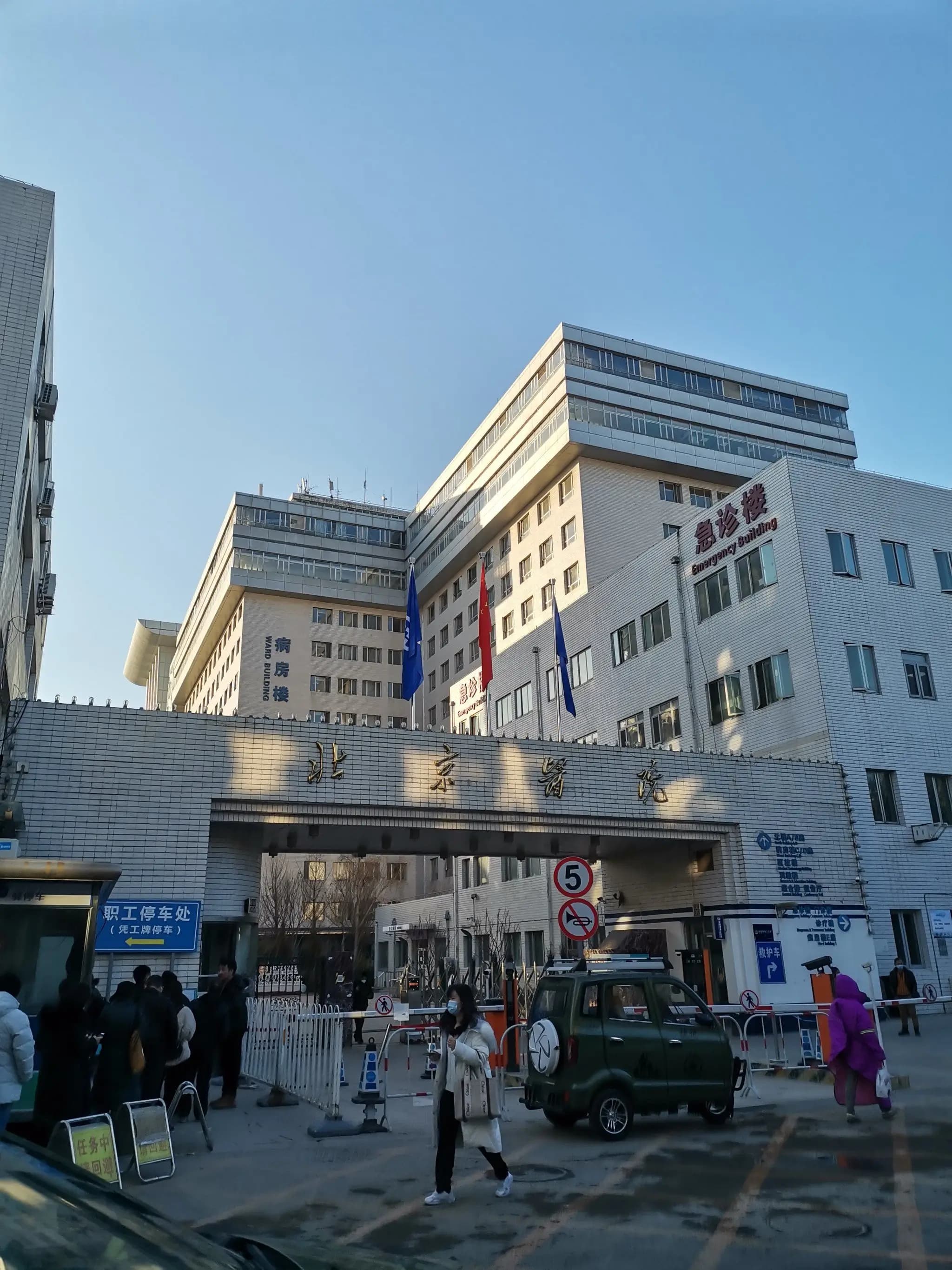
Grade III Grade A
Beijing Hospital
Founded in 1905, Beijing Hospital was initially named the German Hospital. After World War II, it was renamed the Municipal Beiping Hospital. In April 1949, the Health Department of the Central Military Commission, along with medical staff from Yan'an Central Hospital and Bethune International Peace Hospital, took over the then-Municipal Beiping Hospital, and renamed it "Beijing Hospital" following the change of Beijing's name. Time has washed away the marks of the past, but it has preserved the style of Beijing Hospital—understated, unpretentious, and simple. The four characters of "Beijing Hospital" in cursive script were written by Chairman Mao Zedong in 1950 and have become an important symbol of the hospital. Beijing Hospital inherited the important responsibilities and fine traditions of Yan'an Central Hospital and continues to serve as a major national medical and healthcare base.
Located in the center of Beijing, Beijing Hospital covers an area of over 55,800 square meters, with a building area of 227,788 square meters. It currently has 1,328 beds and 3,310 staff members, including 836 doctors, 1,374 nurses, 316 medical technicians, and 161 pharmacists. The hospital has 481 senior technical personnel with titles such as chief physician, associate chief physician, professor, associate professor, researcher, and equivalent; 418 with doctoral degrees and 496 with master's degrees. It comprises 48 clinical and medical technology departments.
To better serve patients' medical needs, the hospital has established a special fund to purchase globally leading equipment. Currently, the hospital possesses the world's fourth-generation da Vinci surgical system, multiple high-end magnetic resonance imaging (MRI) systems, enabling quiet, rapid, and clear imaging; a mobile 3.0T MRI to meet the needs of special imaging diagnostic tasks; and a newly acquired MRI-guided ultrasound focused therapy system, which, in conjunction with existing MRI equipment, allows for precise treatment of deep lesions without surgery. A newly acquired top-of-the-line computational tomography (CT) system provides doctors and patients with better imaging diagnostic data through revolutionary new technologies and balanced high-end performance. The PET/CT center is equipped with leading-edge equipment, providing significant assistance for whole-body tumor screening and follow-up. A high-end medical linear accelerator with numerous advanced radiotherapy functions is also available. The hospital currently possesses medical equipment worth approximately 2.2 billion yuan, including 363 pieces of equipment valued at over 1 million yuan each. The hospital will also promptly introduce advanced medical equipment based on the development of its disciplines and the level of medical equipment technology, continuously contributing to the improvement of medical quality and standards.
Beijing Hospital has achieved remarkable results in the medical treatment, nursing, rehabilitation, and healthcare of geriatric diseases, and has formed its own unique characteristics. Twenty-three specialties have been approved as national key clinical specialties and construction projects, namely: Cardiology, Respiratory Medicine, Neurology, Urology, Traditional Chinese Medicine, Geriatrics, Medical Imaging, Clinical Pharmacy, Clinical Laboratory Medicine, Key Laboratory, Clinical Nursing, Rheumatology and Immunology, Oncology, Endocrinology, Gastroenterology, Radiation Therapy, Cardiac and Vascular Surgery, General Surgery, Neurosurgery, Dermatology, Hematology, Thoracic Surgery, and Critical Care Medicine. It is at the forefront domestically in the diagnosis and treatment of geriatric-related diseases, such as diabetes, Parkinson's disease, medical and surgical treatment of coronary heart disease, interventional treatment of cerebrovascular diseases, Alzheimer's disease, prostate diseases, osteoarthritis, pulmonary infections, and myasthenia gravis. In recent years, the hospital has successfully performed more than 4,600 surgeries on patients over 70 years old, with the oldest patient being 104 years old and the oldest patient undergoing interventional treatment for coronary heart disease being 91 years old. The hospital has accumulated rich experience in the diagnosis and treatment of diseases in elderly patients.
Established
1905-03-19
Official website
www.bjhmoh.cn/
Snapshot
Active departments
37 active departments available in this language.
Hospital tag
Grade III Grade A
Care planning
Need help comparing departments or travel logistics?
Carevia can help you assess department fit, shortlist hospitals across cities, and coordinate translation, appointments, and post-visit travel planning.
Departments
Clinical departments at Beijing Hospital
37 department profiles are available for review.
Biotherapy Center
The Biotherapy Center is a specialized department at Beijing Hospital integrating medical treatment, education, and research. It serves as a platform for clinical research, clinical translation, and clinical application, and is a high-level cell therapy technology research and clinical center supported by multiple disciplines across the hospital. The center has seven staff members, including four with doctoral degrees and one with a senior professional title. Many staff members have extensive learning and work experience at renowned universities or medical institutions both domestically and internationally. The center translates the most advanced biotherapy technologies (such as immune cell and stem cell therapy) from around the world into clinical treatment. We will continue to leverage the characteristics of our department, uphold the "red" spirit upheld by Beijing Hospital for over a century, provide standardized and appropriate treatment for patients, and contribute to basic and translational research in clinical tumor immunology and regenerative medicine. The center boasts a well-structured talent pool, combining clinical practice with research. Professor Ma Jie, the center's director and academic leader, has engaged in basic research on tumor immunology and translational research in clinical immunotherapy for many years, publishing over 200 papers and obtaining more than 10 invention patents. Her independently developed autologous RAK cell therapy technology has received CFDA clinical approval. The center has received the third prize of Beijing Science and Technology Award and the second prize of Huaxia Medical Science and Technology Award. Dr. Wei Xundong and Dr. Tan Qin, the backbone of scientific research, have extensive experience in basic research and clinical translation related to immunotherapy; Dr. Xu Jing has rich clinical experience and experience in cell therapy for patients, and undertakes important translational research tasks in this center; Technicians Zuo Wen, Tong Jinlian, and Liu Caixia have more than 10 years of experience in GMP-level cell drug preparation and clinical research management.
Clinical Microbiology
Clinical Nutrition Department
The Department of Clinical Nutrition at Beijing Hospital is one of the earliest nutrition departments established in public hospitals after the founding of the People's Republic of my country. It is a first-level department directly under the leadership of the hospital's vice president. Currently, the department has seven professional and technical personnel, including one with a senior professional title, two with associate senior professional titles, one with a doctoral degree, and five with master's degrees, forming a strong talent pool in Beijing and even nationwide. With the increasing nutritional needs of the public, the department has experienced significant growth in recent years under the direct guidance of hospital leaders. Currently, the department's main clinical work includes nutrition outpatient services, ward consultations, nutritional risk screening for key wards, and nutritional counseling at the physical examination center. It has accumulated rich experience in the clinical nutritional diagnosis and treatment and research of various diseases, including diabetes (including gestational diabetes), geriatric diseases, kidney diseases, and tumors.
Women's Nutrition
Department of Ultrasound Medicine
The Department of Ultrasound Medicine at Beijing Hospital was established in 1982 and is one of the earliest units in China to conduct two-dimensional ultrasound diagnostics. It strives to practice the hospital motto of "Loyalty to the Healthcare Cause, Dedication to the People's Health," providing high-quality medical services to the general public. The department currently has 25 staff members, including 8 chief physicians, 1 associate chief physician, 1 chief technician, and 15 junior and intermediate physicians and nurses. Among them are 3 master's supervisors, 4 PhDs, and 13 master's degree holders. The department possesses 20 advanced mid-to-high-end color Doppler ultrasound machines, including world-class high-end color Doppler ultrasound systems such as PHILIPS-iU G4 and Elite, GE-Logiq E, HITACHI-ALOKA Ascendus, SIEMENS-S2000, and ESAOTE Mylab Twice. The department routinely performs two-dimensional and color Doppler ultrasound diagnostics of the abdomen, urinary system, thoracic cavity, small organs, soft tissues, bones and joints, neck, limbs, and vascular organs. We have developed transrectal ultrasound for the examination and diagnosis of rectal lesions, real-time three-dimensional ultrasound for the diagnosis of bladder tumors, and elastography for the differential diagnosis of breast and thyroid tumors. We have also developed contrast-enhanced ultrasound for the diagnosis and differential diagnosis of tumors in organs such as the liver, breast, and rectum. Furthermore, we have implemented interventional ultrasound for the diagnosis and treatment of space-occupying lesions and effusions, such as ultrasound-guided percutaneous fine-needle aspiration and core needle biopsy of organs and tissues such as the liver, gallbladder, pancreas, spleen, kidney, breast, thyroid, and lymph nodes. In conjunction with clinical practice, we have performed ultrasound-guided percutaneous pyelography and/or stone removal, liver abscess drainage, gallbladder drainage, ultrasound-guided percutaneous transhepatic radiofrequency ablation for liver tumors, and intraoperative ultrasound-guided accurate local resection of small hepatocellular carcinomas and renal cell carcinomas.
Diagnostic Ultrasound
Laboratory
The Department of Laboratory Medicine at Beijing Hospital is a comprehensive laboratory integrating medical treatment, teaching, and research. The department comprises five specialties: biochemistry, immunology, body fluids and hematology, and microbiology and molecular biology, and houses seven laboratories: Biochemistry Laboratory, Immunology Laboratory, Microbiology Laboratory, Outpatient Laboratory for Body Fluids and Hematology, Inpatient Laboratory, Emergency Laboratory, North Building Laboratory, and the Second Department of Public Security Laboratory. The department routinely performs nearly 300 tests and numerous specialized experiments, ranking among the top in major hospitals. These include galactomannose antigen detection, tuberculosis infection T-cell detection, fungal D-glucan detection, Clostridium difficile A toxin detection, immunofixation electrophoresis, laboratory diagnosis of thrombophilia, T-cell subsets, and autoimmune antibody tests. The department possesses nearly 100 pieces of internationally advanced equipment, purchased from the United States, Germany, France, the Netherlands, and Japan, some of which were the first or only such equipment introduced to China. The department processes nearly 6 million specimens annually.
Laboratory Medicine
Pathology Department
Pathology plays an important role in hospital medical work. It is the discipline that makes a clear pathological diagnosis of certain diseases based on the morphological changes of pathological specimens, and proposes possible causes, treatment and prognostic factors. The specific work of the pathology department includes: biopsy. When the body is diseased, in addition to functional and metabolic disorders, certain morphological and structural changes (pathological changes) are often shown in the corresponding organs and tissues. The biopsy is performed on the diseased tissue, including: (1) small pieces of tissue cut from the lesion site and lesion tissue obtained by forceps using endoscopes such as fiberoptic gastroscopy and fiberoptic bronchoscope; (2) surgically removed organs and tissues, such as breast, stomach, lymph nodes, etc.; (3) puncture to remove tissue from the lesion site, such as puncture tissue from the liver and kidney, for pathological diagnosis. This is called biopsy.
Pathology
Radiology
The Department of Radiology at Beijing Hospital is the leading department of the hospital's Imaging Center. As a key discipline of Beijing Hospital, it boasts the National Key Clinical Specialty Project of the National Health Commission (Medical Imaging). Currently, it is a doctoral degree training discipline, a postdoctoral research station, a standardized residency training base, and a clinical pharmacology trial base. It is a large-scale comprehensive clinical examination department integrating medical treatment, teaching, and research, encompassing X-ray, CT, MRI examinations, and interventional radiology diagnosis and treatment. The department undertakes a large number of clinical imaging examinations and medical and health care tasks for cadres, possessing strong technical expertise and a well-structured personnel team. The physician group is divided into four professional groups: neuromuscular, thoracic and cardiac, abdominal and pelvic, and interventional radiology. The technical group is divided into four specialized examination equipment groups: X-ray, CT, MRI, and interventional radiology, and includes 12 positions in the outpatient and inpatient departments of the north and south buildings, the emergency department, and the physical examination center. The department has a total of 35 physicians, 1 postdoctoral fellow, 42 technicians, 7 nurses, and 2 registrars. The department boasts a strong team of physicians, including 12 professors or chief physicians, 9 associate professors or associate chief physicians, 18 with doctoral degrees, 7 with master's degrees, 1 doctoral supervisor, and 6 master's supervisors. It possesses excellent professional skills, research capabilities, and teaching abilities. In recent years, the department has undertaken several 12th and 13th Five-Year Plan projects, as well as international cooperation projects funded by the National Natural Science Foundation of China. It has also participated in the writing of numerous radiology textbooks, guidelines, and expert consensus documents, placing it at the forefront of several professional fields in China.
Radiation Sickness
Department of Nuclear Medicine
Founded in 1972, the Department of Nuclear Medicine is now a national key clinical specialty (medical imaging), a teaching site for the eight-year nuclear medicine program and postgraduate studies at Peking University School of Medicine, a national standardized residency training base, a clinical pharmacology trial base, and the Chinese coordinator unit for the IAEA Asia-Pacific cooperation project. It was formerly a national standardized residency training instructor training base. Under the leadership of several generations of renowned domestic nuclear medicine experts, the department has grown from a struggling startup to a thriving institution, gradually developing into a comprehensive medical and technical department integrating medical treatment, teaching, and research. It boasts distinctive professional characteristics in PET/CT oncology, cardiac nuclear medicine, and geriatrics, and also possesses comprehensive capabilities in radionuclide diagnosis and treatment, ranking among the top in China in terms of professional expertise. Currently, the department has a medical and technical team of 24 people: 2 with senior professional titles, 11 with associate senior professional titles, 11 with doctoral degrees, and 2 with master's degrees.
Nuclear Medicine
Minimally Invasive Tumor Treatment Center
The Minimally Invasive Oncology Treatment Center of Beijing Hospital specializes in minimally invasive diagnosis and treatment guided by modern medical imaging equipment. It actively advocates and practices a "constructive minimally invasive oncology treatment model," performing an average of over 2,000 surgeries annually, with a large proportion of these procedures performed on elderly and very elderly patients. It is a leader in China in simultaneous biopsy and microwave ablation for early-stage lung cancer, and in comprehensive minimally invasive treatment for mid-to-late-stage lung cancer. It also possesses extensive clinical experience in the comprehensive minimally invasive treatment of elderly cancer patients with multiple serious comorbidities. Unlike traditional surgical resection, high-dose intravenous chemotherapy, and high-intensity radiotherapy, minimally invasive oncology treatment, guided by imaging, precisely targets the tumor itself and a range of clinical symptoms (such as pleural effusion, ascites, gastrointestinal obstruction, hydronephrosis, and severe pain). While maximizing the elimination of tumor tissue, it also preserves the patient's physiological functions, protects their immune function, and maintains and improves their quality of life. It boasts advantages such as precise targeting, definite efficacy, minimal trauma, broad indications, safety, cost-effectiveness, and high repeatability, making it particularly suitable for elderly, frail patients who cannot tolerate traditional surgery and radiotherapy/chemotherapy. The Minimally Invasive Tumor Treatment Center boasts a strong team of professionals, comprehensive technology, and advanced equipment. It offers minimally invasive outpatient services both morning and afternoon, and has 20 beds (each with a private bathroom). The minimally invasive operating room is equipped with state-of-the-art facilities, including a composite catheterization lab, a large-bore spiral CT scanner, a color Doppler ultrasound diagnostic instrument, and radiofrequency/microwave/cryoablation/laser ablation equipment. The center performs procedures such as biopsy of benign and malignant tumors in all parts of the body, transcatheter arterial chemotherapy/embolization, radiofrequency/microwave/laser/cryoablation, radioactive particle implantation, drainage and stenting, and palliative treatment of tumor complications. Its technical level is among the leading in China.
Medical Oncology
1/5